
Benin
Voodoo culture, rich history, vibrant markets, national parks, nature & wildlife, stilt villages, and authentic cultural experiences
Popular POIs
View AllThe most popular places to visit in Benin right now




Benin is one of West Africa’s most culturally rich and historically significant destinations, with a travel experience shaped by heritage, coastline, wildlife, and everyday local life rather than mass tourism. It sits between Togo and Nigeria on the Gulf of Guinea and is known for places such as Cotonou, Porto-Novo, Ouidah, and Abomey, each adding a different side to the country’s identity. Benin can feel especially rewarding if you are drawn to destinations with strong character, layered history, and a more grounded atmosphere.
One of Benin’s biggest strengths is its historical depth. The Royal Palaces of Abomey are a UNESCO World Heritage Site made up of a set of ten palaces linked to the former Kingdom of Dahomey, and they remain one of the country’s most important cultural landmarks. Benin also has strong connections to the history of the Atlantic slave trade, especially in Ouidah, which gives the country a more reflective and historically significant side alongside its beaches and city life.
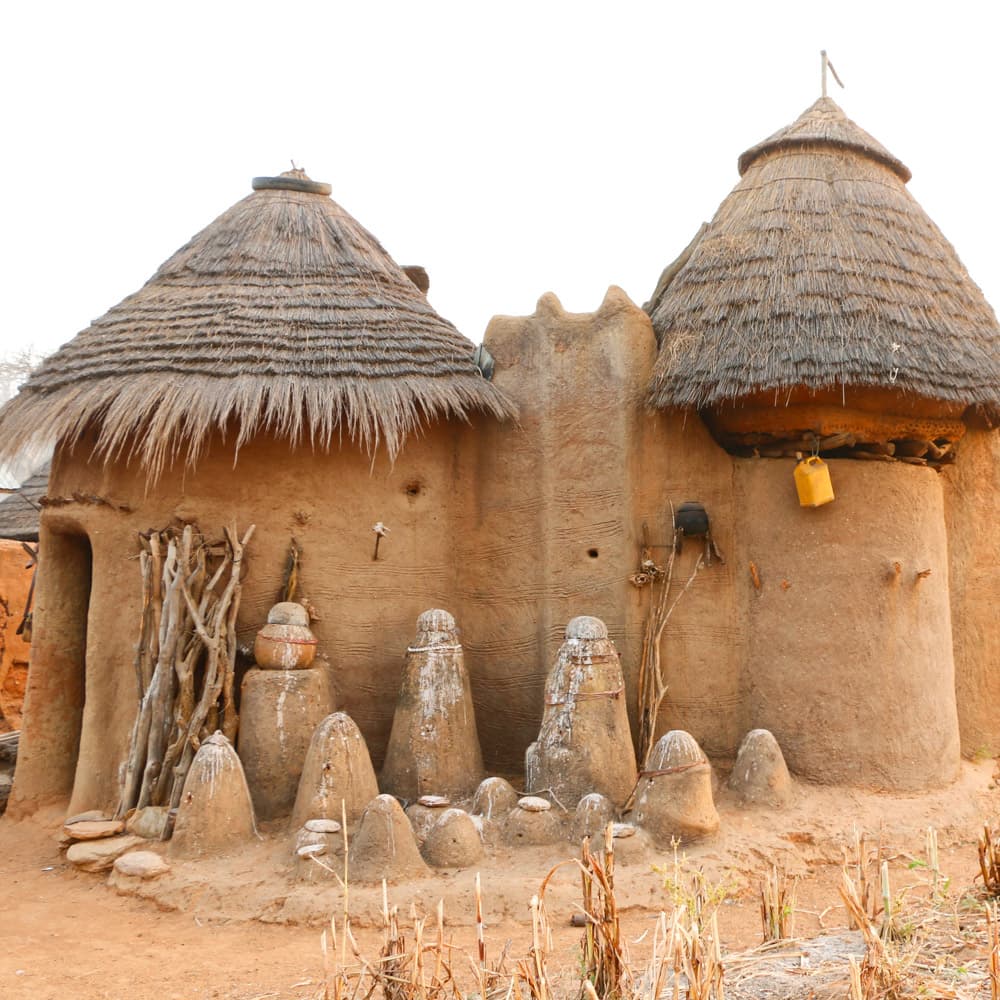
Benin also stands out for its cultural identity. Porto-Novo’s older quarters and royal heritage appear on Benin’s UNESCO Tentative List, while northern Benin is associated with distinctive vernacular architecture and broader cultural landscapes. That gives the country a travel appeal that goes beyond headline sights, with tradition, art, religion, and local customs playing a visible role in the overall experience.
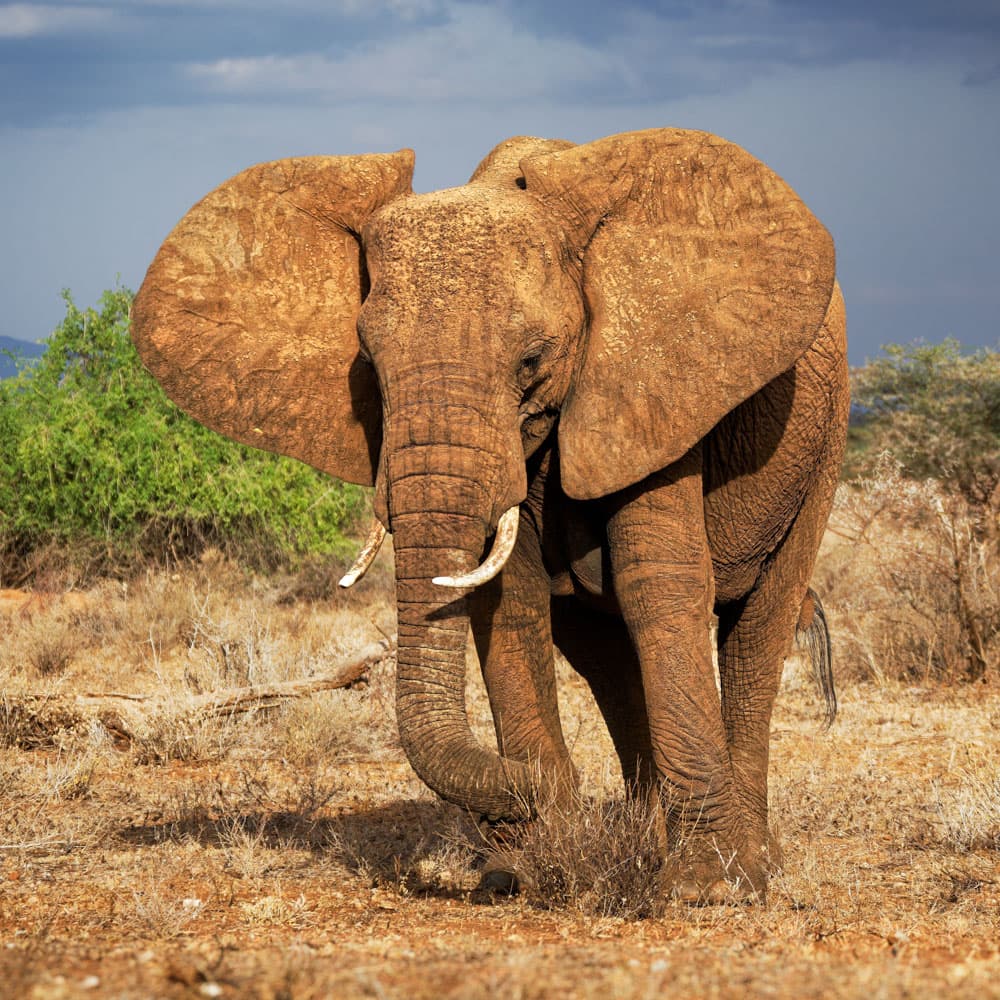
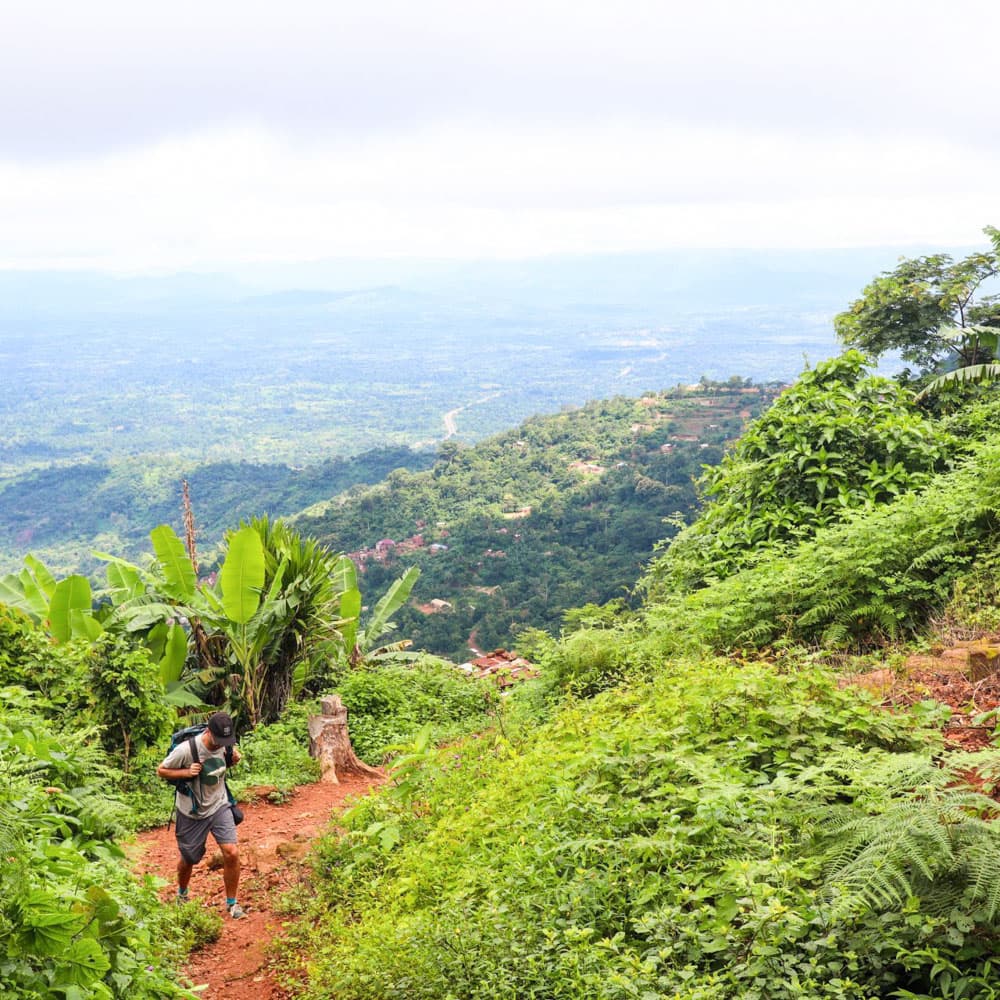
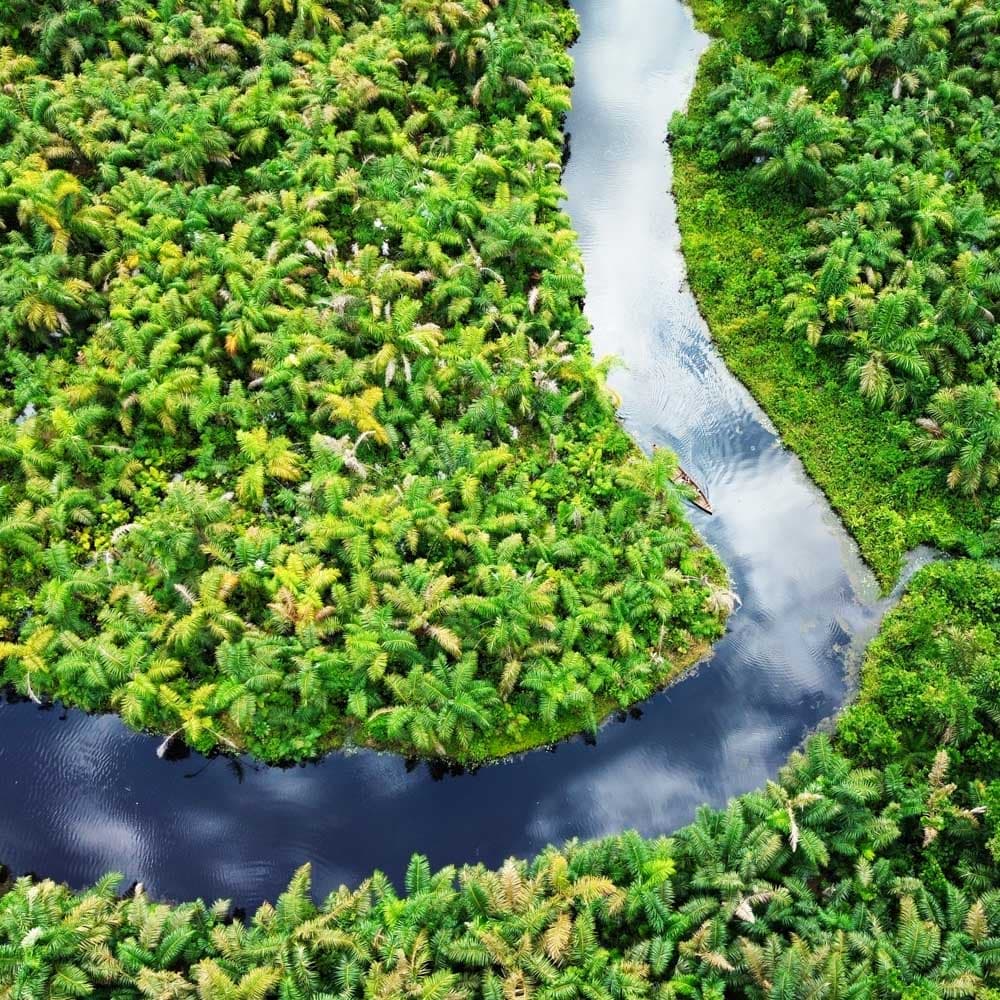
Nature adds another layer to the country. Benin has coastal areas along the Gulf of Guinea, inland wetlands and river systems, and access to major protected landscapes in the north, including the W-Arly-Pendjari complex region. This mix of history, culture, and varied scenery makes Benin feel broader and more interesting than many people expect from a country of its size.
Best Time to Visit Benin
The best time to visit Benin is usually during the drier months, especially from November to February, when conditions are generally more comfortable for city sightseeing, cultural travel, and moving around different parts of the country. Southern Benin has two rainy seasons and two drier periods, while the north has one main rainy season from May to September and a dry season influenced by the harmattan from December to March, so the late-year to early-year window is often the easiest overall time for a broader trip across the country.
Top Reasons to Visit Benin
1. Powerful History and Heritage
Benin is one of the most historically significant countries in West Africa, and that alone is a strong reason to visit. The Royal Palaces of Abomey give you direct access to the legacy of the Kingdom of Dahomey, while places such as Ouidah add another layer through their connection to the history of the Atlantic slave trade.
2. Strong Cultural Identity
Benin stands out for the visibility of its traditions, heritage, and local identity. From royal history in Porto-Novo and Abomey to distinctive northern architecture and long-standing customs, the country feels culturally rooted in a way that makes travel here feel more meaningful and less generic.
3. A More Grounded West Africa Experience
One of Benin’s biggest strengths is that it does not feel overly commercialized. Travel here can feel more local, more immersive, and more connected to everyday life, which makes it appealing if you want a destination with real character rather than one built mainly around polished tourism infrastructure.
4. Variety in One Country
Benin gives you more range than many people expect. You can experience coastal cities, beaches, historic towns, royal landmarks, wetlands, and northern protected areas within one trip, which makes the country feel rewarding if you want a mix of culture, history, and scenery.
5. Important UNESCO Sites
Benin has strong UNESCO recognition, which adds weight to its cultural appeal. The Royal Palaces of Abomey are already on the World Heritage List, while several other places in the country appear on the Tentative List, showing the depth of its heritage and the range of sites that matter historically and culturally.