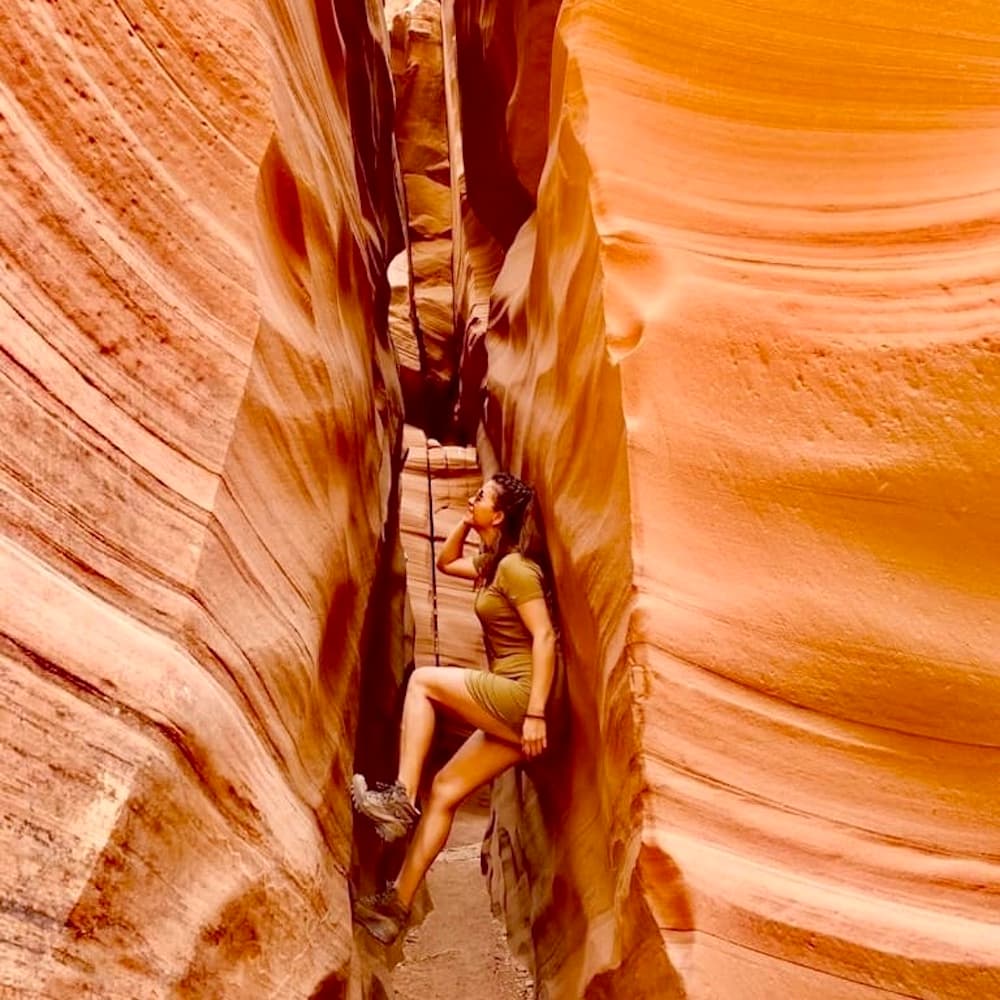
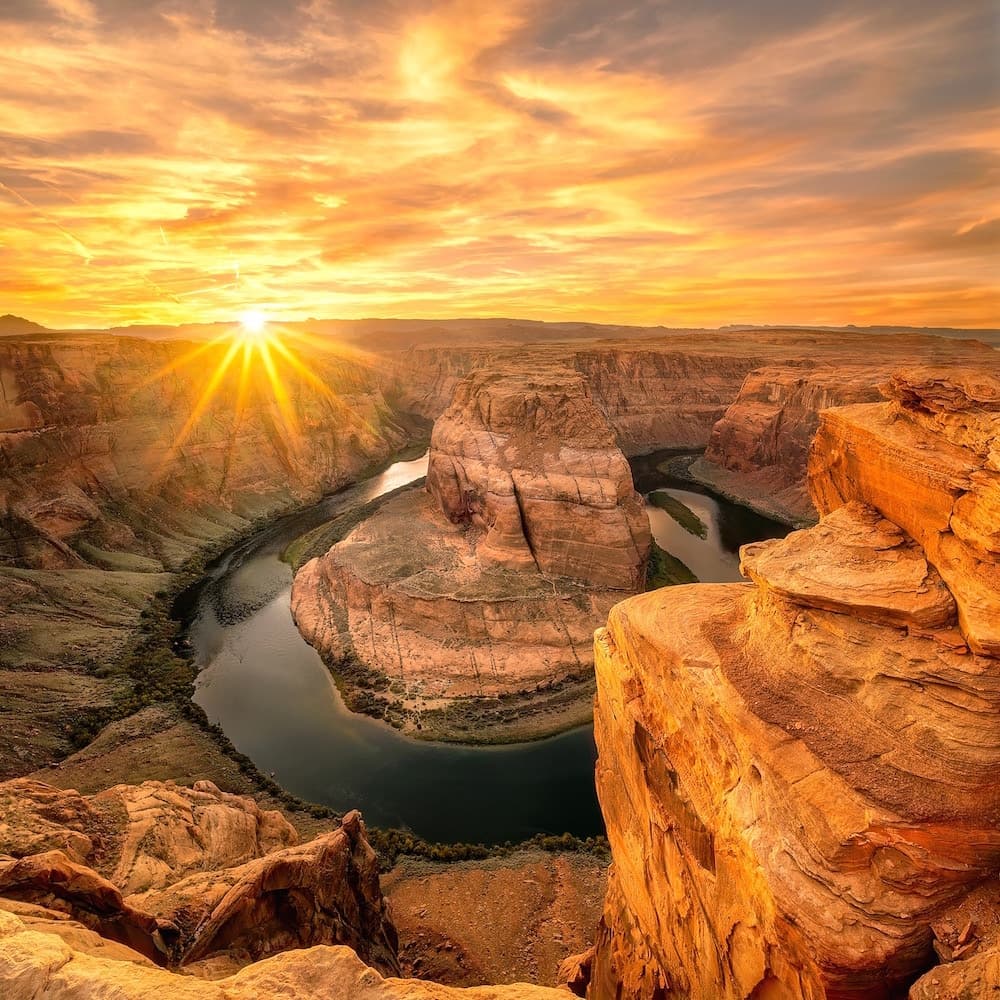
In spring, Wetherill Canyon transforms into a vibrant oasis. As the temperatures start to rise, the canyon's flora begins to bloom, painting the landscape in a variety of colors. Wildflowers such as the desert marigold and Indian paintbrush add splashes of yellow and red against the backdrop of the canyon walls. The weather is pleasantly warm, perfect for hiking and exploring the numerous trails. Birdwatchers can delight in the arrival of migratory birds, while the cooler nights are ideal for stargazing. Spring is also a great time to visit local Navajo communities and learn about their rich cultural heritage, enhanced by the seasonal beauty.
Summer in Wetherill Canyon is a time of intense beauty and heat. The sun blazes overhead, turning the canyon walls a deeper shade of red and orange. It's an ideal time for early morning or late evening hikes to avoid the midday heat. The river levels are usually at their highest, providing opportunities for rafting and cooling off in the water. The clear night skies offer spectacular stargazing opportunities. Visitors should be prepared for high temperatures and bring plenty of water. Summer also brings unique cultural events in nearby communities, offering a glimpse into the local traditions and celebrations.
Autumn brings a dramatic change to Wetherill Canyon, with cooler temperatures and changing foliage. The canyon's vegetation transforms into shades of gold, amber, and crimson, offering a stunning contrast against the blue sky. This season is perfect for hiking, photography, and enjoying the tranquil atmosphere of the canyon. Wildlife, preparing for winter, is more active and visible. The lower temperatures make for comfortable exploration, and it's a great time to learn about the local flora and fauna. The autumn months also see fewer visitors, providing a more solitary and intimate experience of the canyon's natural beauty.
Winter in Wetherill Canyon is a serene and magical time. Snow occasionally dusts the canyon, creating a breathtaking landscape of white-capped red rocks and frosted vegetation. The cooler weather is ideal for those who prefer less strenuous outdoor activities. Wildlife viewing continues to be rewarding, with many species visible in the crisp, clear air. The winter months also offer a unique perspective on the canyon's geology, with the low angle of the sun casting dramatic shadows on the rock formations. Visitors should be prepared for colder temperatures and potential snowfall, which adds a unique charm to the canyon's rugged beauty.