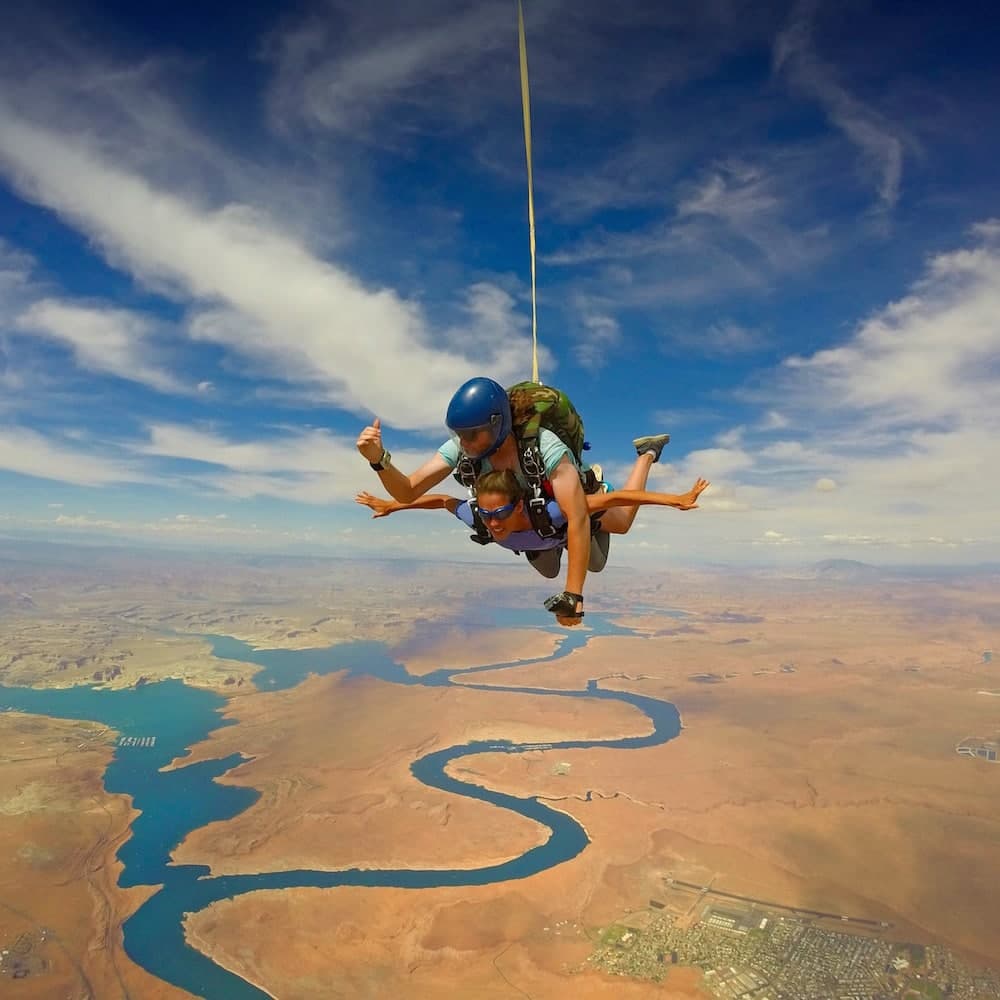
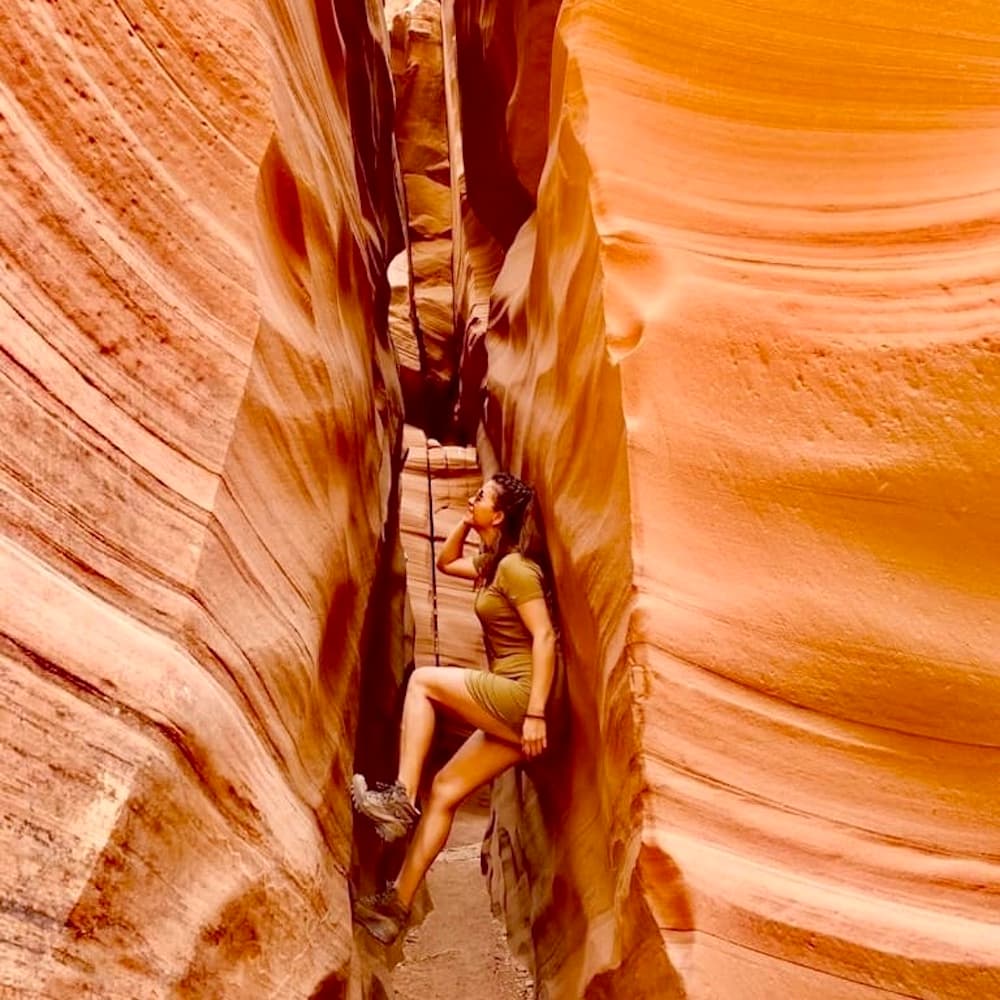
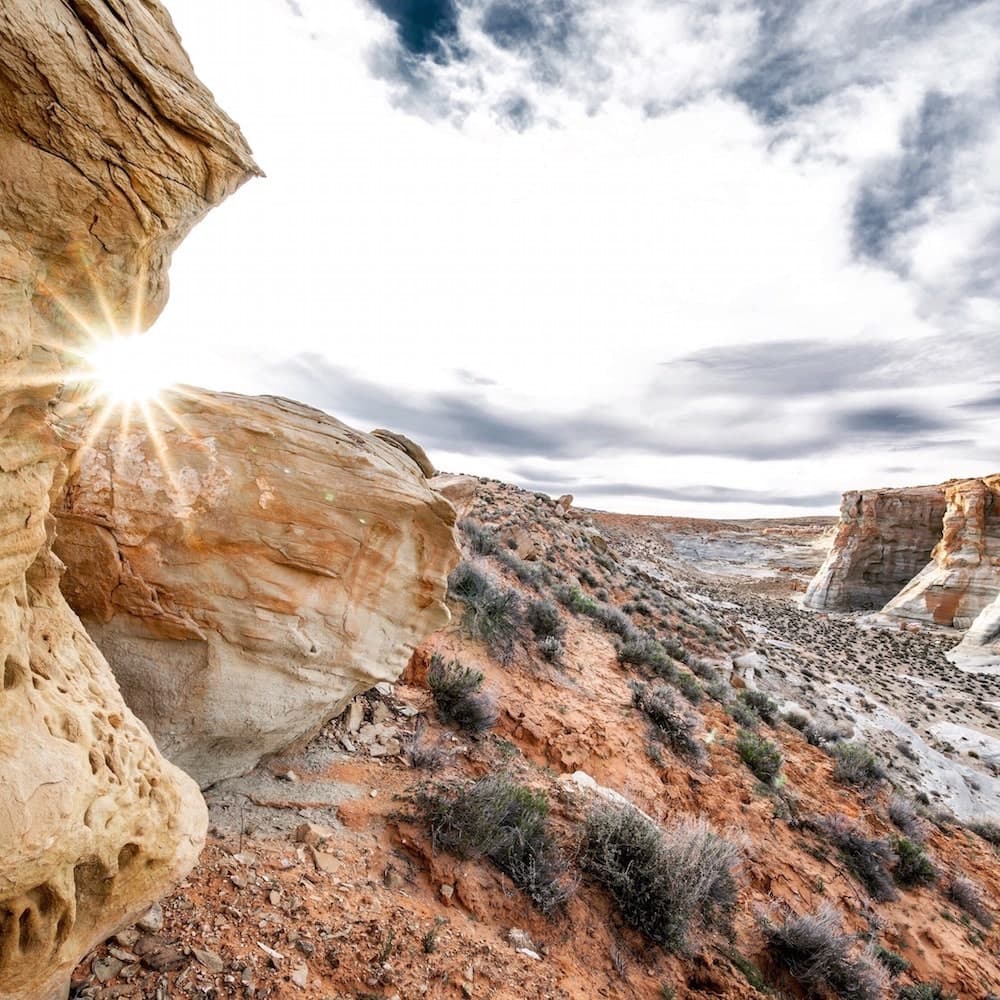
In spring, Horseshoe Bend is a spectacular sight, offering a refreshing escape from the still-cool northern climates. As the temperatures begin to warm, ranging from 60°F to 80°F (15°C to 27°C), the landscape around the Colorado River starts to bloom with desert wildflowers, adding vibrant colors to the russet reds and oranges of the canyon. The milder weather makes it an ideal time for hiking and photography, allowing visitors to comfortably explore the area. The river's blue waters contrast beautifully with the bright sky and budding flora, creating stunning photo opportunities. However, spring can also bring unpredictable weather, including rain and wind, so visitors should come prepared.
Summer at Horseshoe Bend is characterized by its intense heat, with temperatures often exceeding 100°F (38°C). This is the busiest season, drawing crowds keen to see the sun-drenched view of the Colorado River curving through the canyon. The scorching heat requires visitors to be well-prepared with water, sunscreen, and hats. Early morning or late afternoon visits are recommended to avoid the midday heat. Despite the high temperatures, the summer offers clear, bright skies and long days, perfect for capturing the vivid hues of the landscape. Rafting and boating on the river are popular activities, providing a unique perspective of the bend and a refreshing respite from the heat.
Autumn at Horseshoe Bend brings cooler temperatures, with averages ranging from 50°F to 70°F (10°C to 21°C), making it a pleasant time for exploring. The changing season transforms the surrounding landscape into a palette of warm golds, ambers, and browns, beautifully complementing the red and orange hues of the canyon walls. This time of year is less crowded, offering a more serene experience of this natural wonder. The lighting during autumn is particularly favorable for photography, with the low sun casting long, dramatic shadows and enhancing the textures of the landscape. The river maintains its tranquil flow, reflecting the changing colors of the season.
Winter at Horseshoe Bend presents a quiet, stark beauty. With temperatures often dipping below 50°F (10°C), the crowds thin out, offering a more peaceful visit. The cooler weather is ideal for hiking and exploring without the discomfort of extreme heat. Snow is rare, but when it does occur, it creates a breathtaking contrast against the deep reds of the canyon and the emerald green of the river. The winter light is softer and more diffused, providing a different photographic perspective of the landscape. Visitors should be prepared for colder conditions and shorter days, but those who brave the chill are rewarded with a unique and tranquil experience of this iconic location.