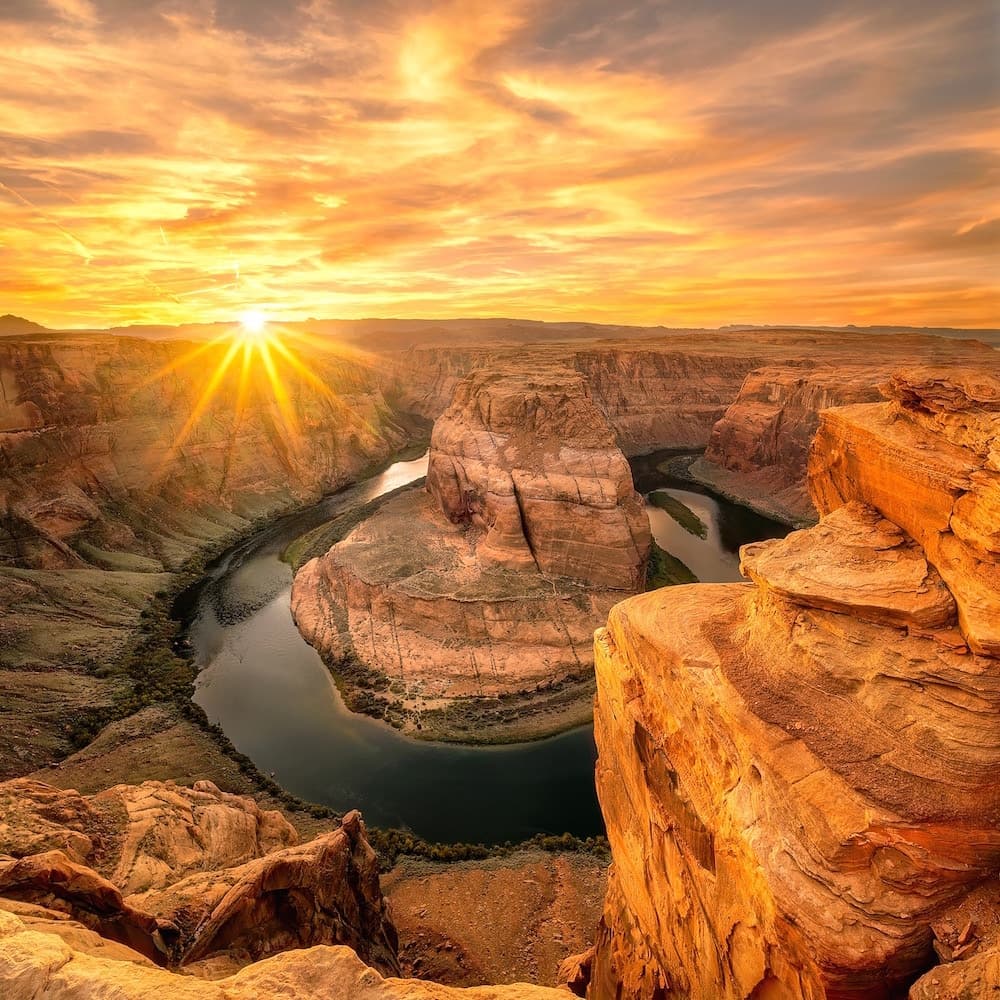
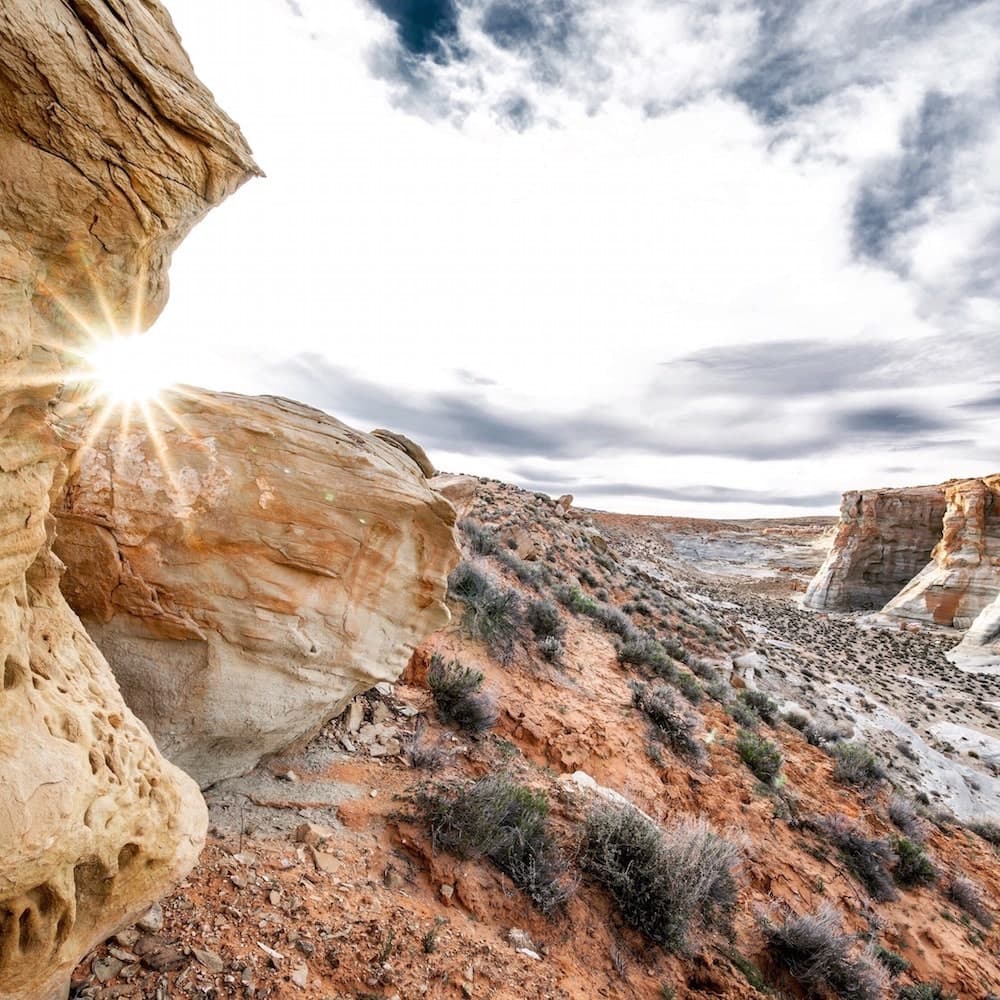
As the snow begins to melt and the days grow longer, spring in Antelope Canyon is a period of awakening and vibrant beauty. During these months, the canyon's famous light beams start to reappear, casting ethereal patterns on the sandy floors. The temperatures are mild, typically ranging from 60 to 80°F, making it an ideal time for hiking and photography. The flora around the canyon begins to bloom, adding splashes of color to the red-orange landscape. However, spring is also the season of unpredictable weather, with occasional rain showers that can lead to temporary closures due to flash flood risks.
Summer in Antelope Canyon is a time of bustling activity and intense heat. With temperatures often soaring above 100°F, it's crucial for visitors to stay hydrated and protected from the sun. This season offers the most dramatic light beams, attracting photographers from around the world. The high visitor numbers mean tours can fill up quickly, so advance booking is essential. Despite the heat, the beauty of the sunlit canyon is at its peak, creating unforgettable sights. However, visitors should be aware of monsoon season starting in late summer, which can bring sudden flash floods.
Autumn brings a welcome relief from the scorching summer heat, with temperatures dropping to a comfortable range of 50 to 75°F. This is the perfect time to explore Antelope Canyon in a more serene setting, as the tourist crowds dwindle. The light within the canyon softens, offering a different but equally stunning photographic experience. The risk of flash floods decreases, and the cooler weather is ideal for longer hikes. The surrounding landscape slowly shifts, with the foliage changing colors, adding an extra layer of beauty to the already magnificent scenery.
Winter in Antelope Canyon offers a unique and peaceful experience. The crowds are at their smallest, allowing for a more intimate exploration of the canyon. Temperatures can be chilly, often ranging from 30 to 50°F, so visitors should dress warmly. While the famous light beams are less common, the winter light casts a soft glow on the canyon walls, creating a magical atmosphere. Snowfall is rare, but when it does happen, it adds a stunning contrast to the red rock formations. This season is ideal for those seeking a quieter visit and the opportunity to see the canyon in a different light.