Spring in Wapusk National Park is a time of awakening. As the snow begins to melt, the landscape transitions from a vast white expanse to reveal the burgeoning life beneath. This season is particularly special for wildlife enthusiasts, as it marks the birthing period for many of the park's inhabitants, including the iconic polar bears and the thousands of migratory birds that pass through the region. However, visitors should be prepared for a mix of conditions, ranging from snowy landscapes to muddy terrains, as well as the potential for colder temperatures, especially in the early spring months.
Summer brings a profound transformation to the park, with the tundra blooming in a riot of colors as wildflowers emerge. The days are long, with almost 24 hours of daylight by June, providing ample opportunity for exploration. This is the best time for hiking and bird watching, with the park's over 200 bird species, including the rare Ross's gull, being particularly active. Mosquitoes and blackflies can be abundant, so visitors should come prepared with insect repellent and protective clothing. The warmer weather also allows for more accessible travel within the park, though "warmer" in this remote area still means temperatures can be cool, especially at night.
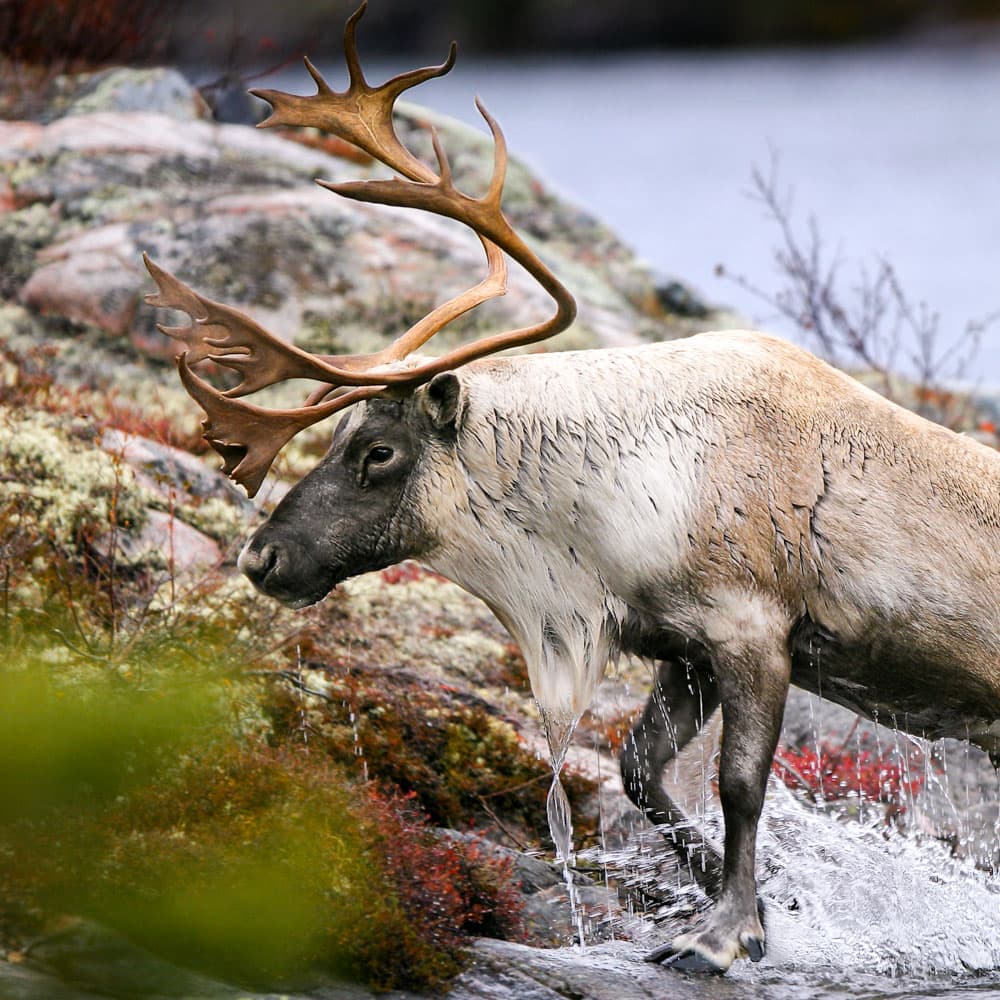
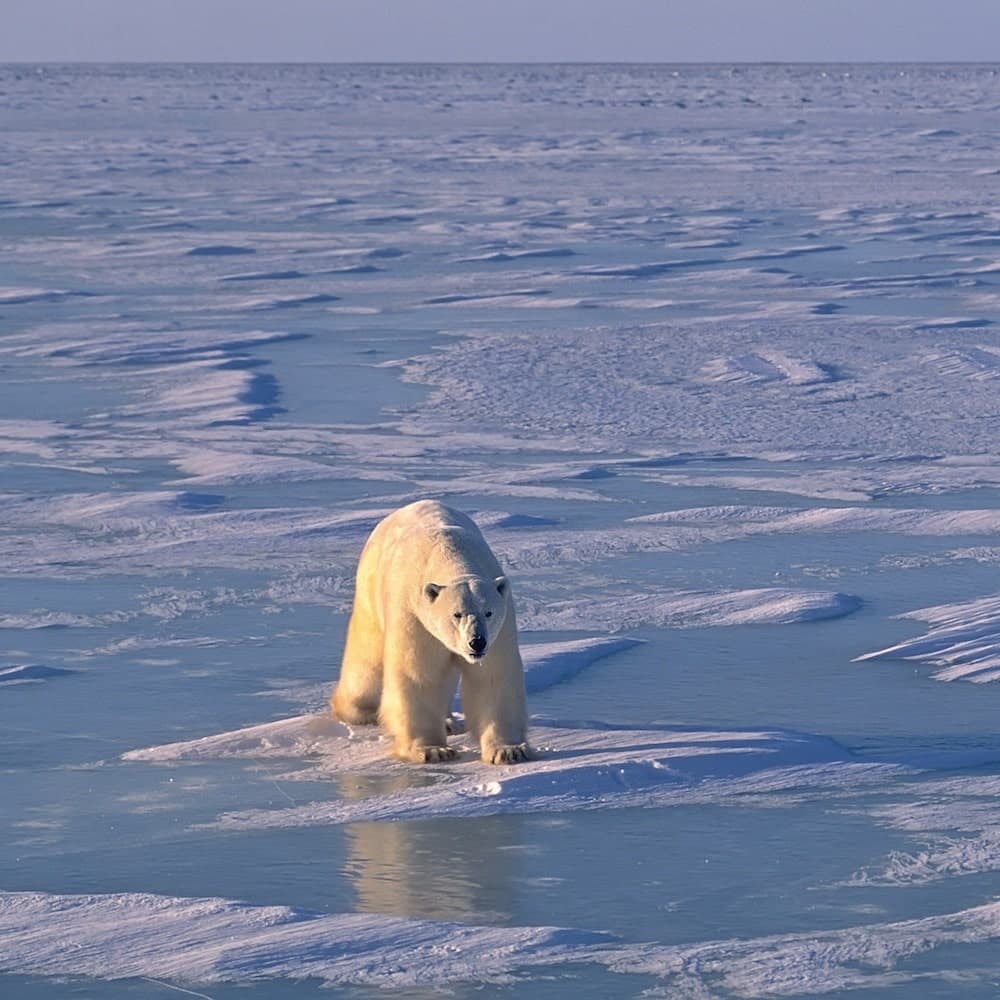
Autumn in Wapusk National Park is brief but incredibly vibrant. The tundra turns into a stunning canvas of red, orange, and yellow, offering breathtaking views. This season is also one of the best times to observe polar bears as they begin to migrate towards the coast of Hudson Bay, in anticipation of the sea ice forming. The cooling temperatures and diminishing insect population make it more comfortable for visitors. However, the weather can be unpredictable, and early snowfalls are not uncommon, so travelers should be prepared for a range of conditions.
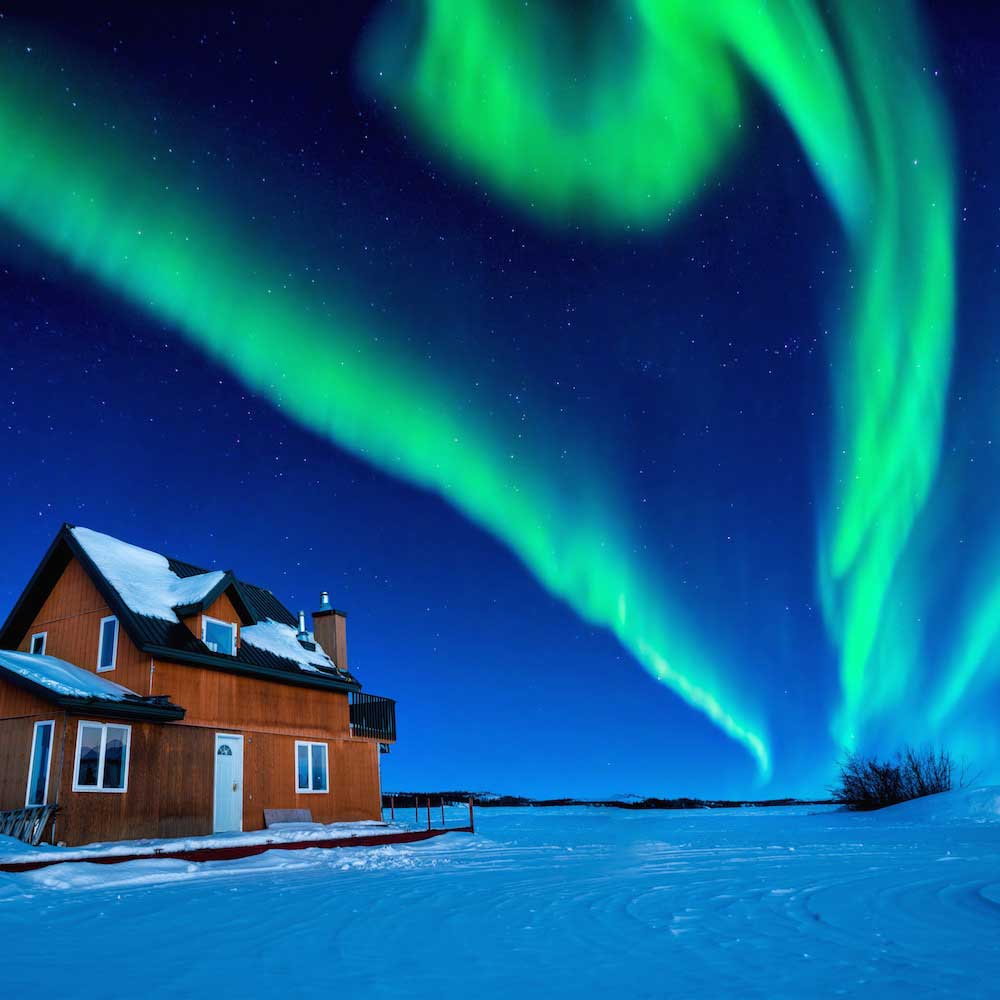
Winter in Wapusk is the season of extremes, with temperatures plunging well below freezing, and the landscape once again blanketed in snow and ice. This is the time when the park truly becomes a winter wonderland, offering unique opportunities for viewing the northern lights (aurora borealis) in clear night skies. Winter is also the prime season for observing polar bears on the sea ice, as well as for experiencing traditional winter activities such as snowshoeing and cross-country skiing. However, access to the park is limited, and visitors must be well-prepared for the harsh conditions, with appropriate gear and guided tours for safety.