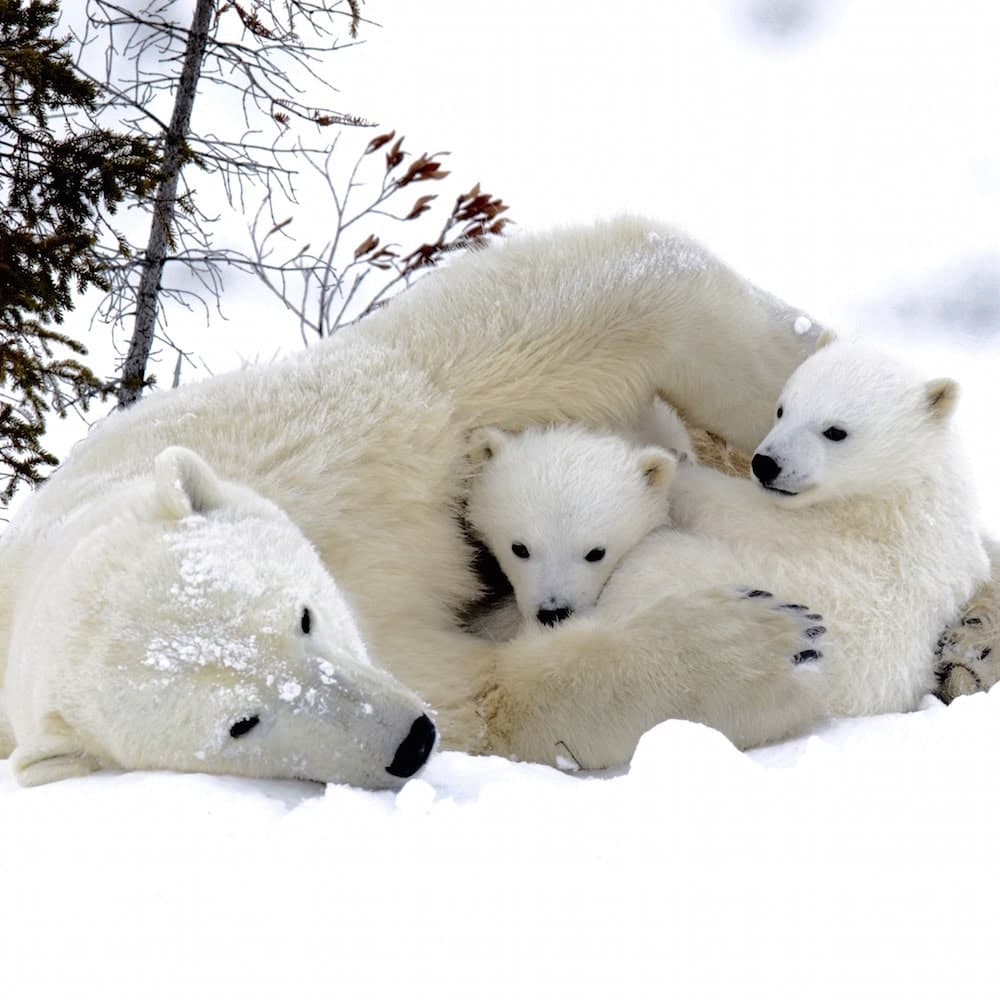
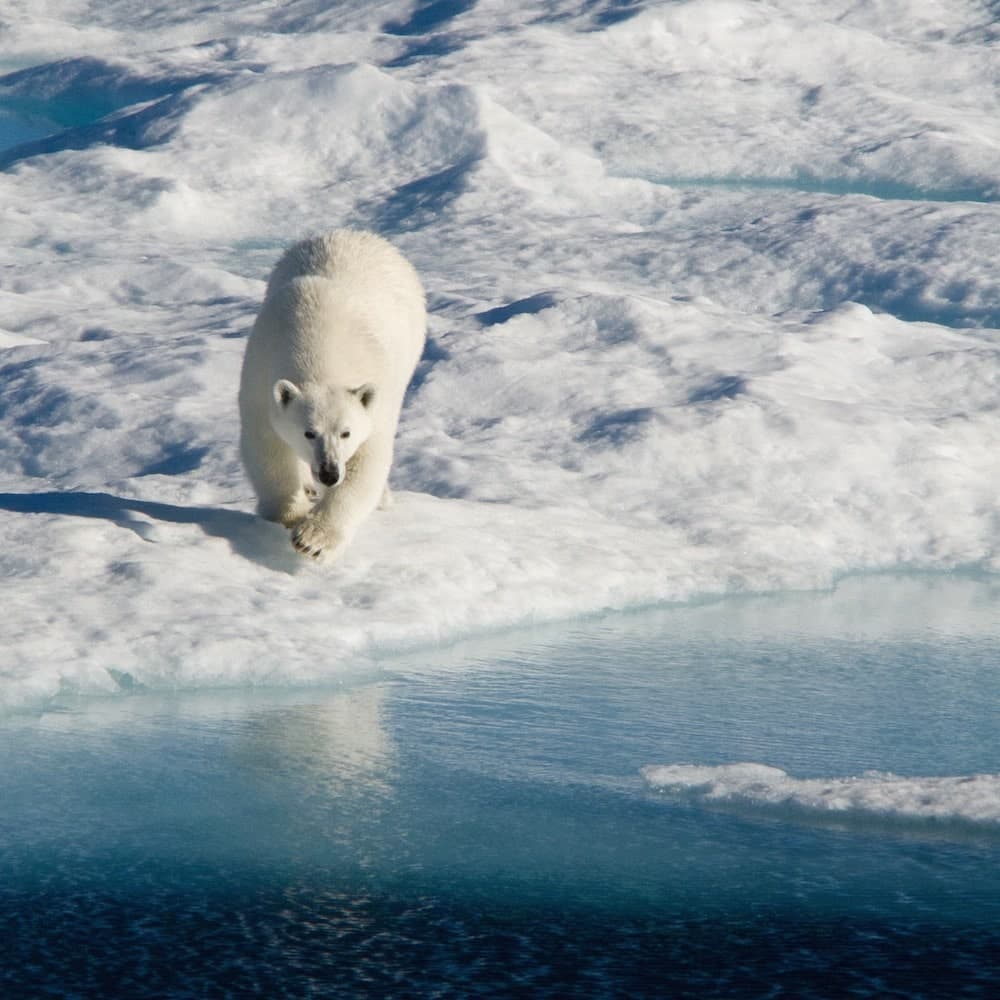
Spring in Hudson Bay is a transitional period where the ice starts to break up, and wildlife becomes more active. From April to June, temperatures begin to rise, but it can still be quite cold, especially in early spring. This is a good time for bird watchers, as migratory birds return to the area. Polar bears can sometimes be seen on the remaining ice. Travelers should be ready for a mix of thawing ice and cold weather, making waterproof clothing and layers essential.
Summer, from July to September, offers the warmest weather, with temperatures that can make outdoor activities more enjoyable. This is the peak season for whale watching, especially belugas in the Churchill area. The landscape is accessible, and the flora is in full bloom, offering beautiful scenery for hiking and photography. The long days allow for extended exploration, but remember, "warm" is relative, and it can still be cool, especially on the water or at night.
From September to November, autumn brings cooler temperatures and a stunning display of colors as the foliage changes. This season is particularly notable for the opportunity to see polar bears near Churchill, as they wait for the bay to freeze over. It's a less crowded time to visit, offering a quieter experience. Northern lights sightings become more frequent in late autumn, providing a spectacular natural show. Dressing in layers is crucial as temperatures can vary significantly.
Winter in Hudson Bay is harsh and cold, with temperatures often dropping well below freezing. From December through March, the landscape is covered in snow and ice, offering activities like dog sledding, ice fishing, and snowmobiling. It's a great time to experience the northern lights. Wildlife viewing is limited compared to other seasons, but the stark beauty of the Arctic winter is a draw for those prepared for the cold. Essential gear includes thermal clothing, windproof jackets, and good quality boots.