As the winter ice begins to thaw, spring in Yellowknife starts to bloom around April and May. This period marks a transition phase, where days gradually get longer and nature starts to awaken. Spring is an excellent time for those interested in the final weeks of aurora viewing, as the Northern Lights can still be vivid on clear nights until mid-April. The melting snow also opens up opportunities for outdoor activities such as hiking and bird watching. The city begins to buzz with anticipation for warmer months, and visitors can experience the unique phenomenon of ice roads and witness the spectacular transformation of the landscape.
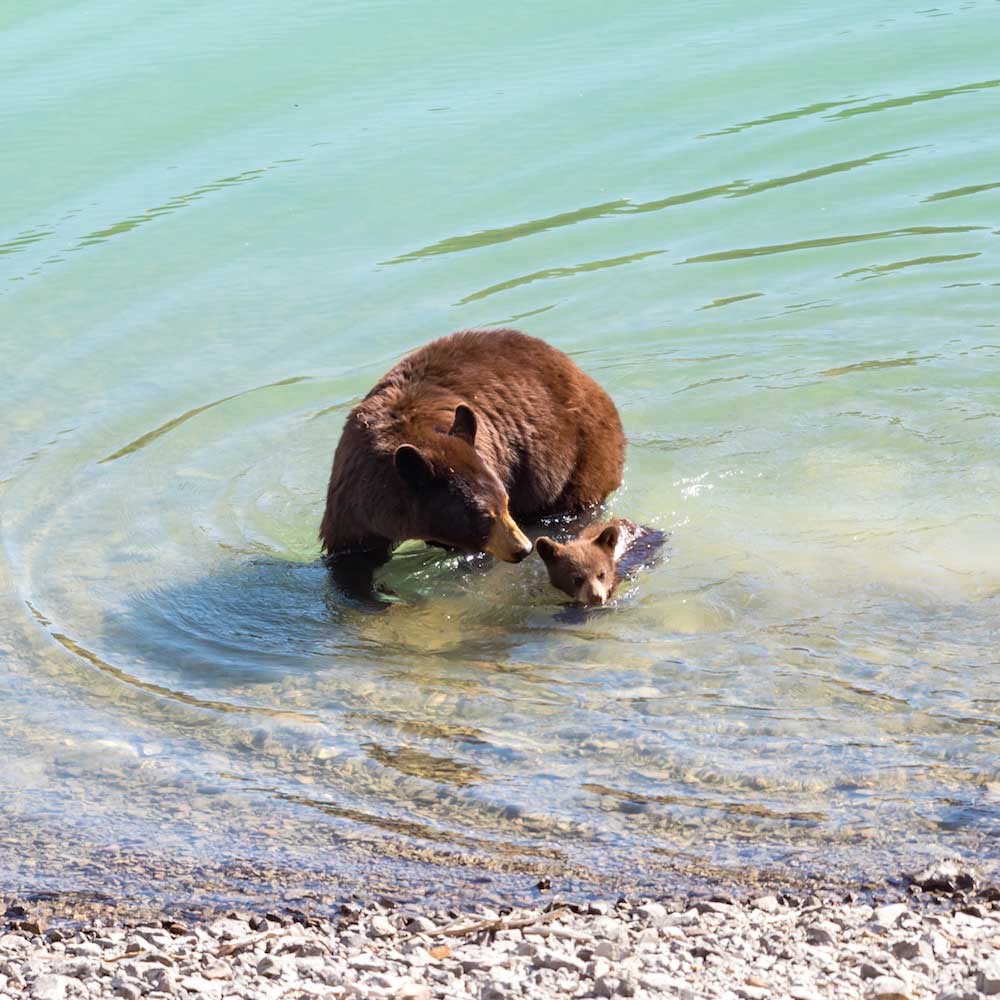
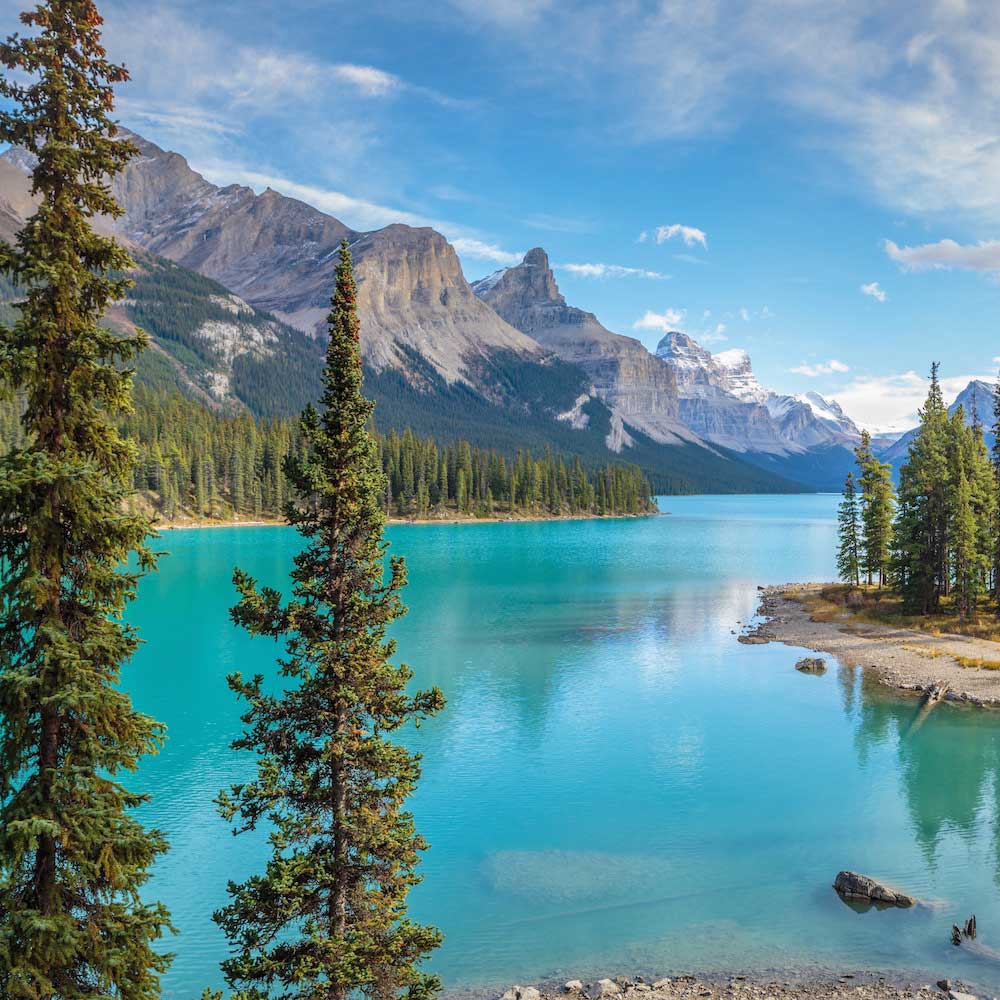
Summer in Yellowknife, from June to August, boasts up to 20 hours of daylight, offering ample opportunity to explore the great outdoors. This is the land of the midnight sun, where the sun barely sets, and activities run around the clock. Fishing, boating on Great Slave Lake, and hiking through the lush boreal forest are popular. The city comes alive with festivals, outdoor markets, and cultural events showcasing the vibrant local community and Indigenous cultures. Wildlife viewing is at its peak, with chances to see bison, bears, and numerous bird species. The warm weather is perfect for camping under the stars and enjoying the breathtaking northern landscape.
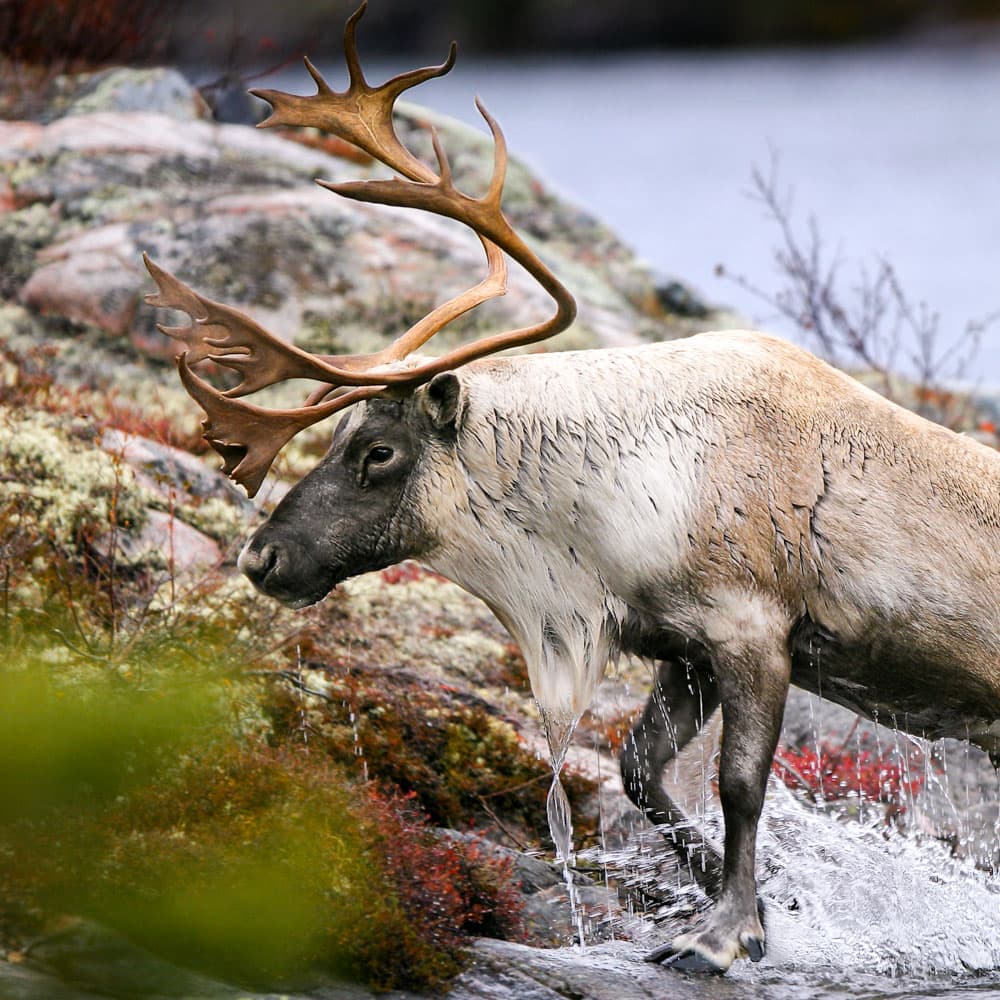
Autumn, or fall, around September to November, is a brief but incredibly beautiful season in Yellowknife. The foliage turns into stunning shades of yellow, orange, and red, creating picturesque landscapes ideal for photographers and nature lovers. This season is also the beginning of the aurora borealis viewing period, with cooler nights providing clearer skies for spectacular light shows. It's a great time for outdoor activities in cooler temperatures, such as hiking, kayaking, and experiencing the rich cultural heritage of the area through various Indigenous festivals and gatherings. The changing season offers a unique blend of natural beauty and cultural exploration.
Winter in Yellowknife, stretching from December to March, transforms the city into a magical winter wonderland. With temperatures often dropping below freezing, it's a season embraced with enthusiasm. The thick snow and frozen lakes open up new adventures like snowmobiling, ice fishing, dog sledding, and snowshoeing. Winter is also the prime season for Northern Lights viewing, with long, dark nights offering a canvas for one of nature's most spectacular displays. Festivals like the Snowking Winter Festival add to the charm, with ice sculptures and snow castles creating a festive atmosphere. Despite the cold, the warmth of Yellowknife's community and the breathtaking natural beauty make it an unforgettable winter destination.