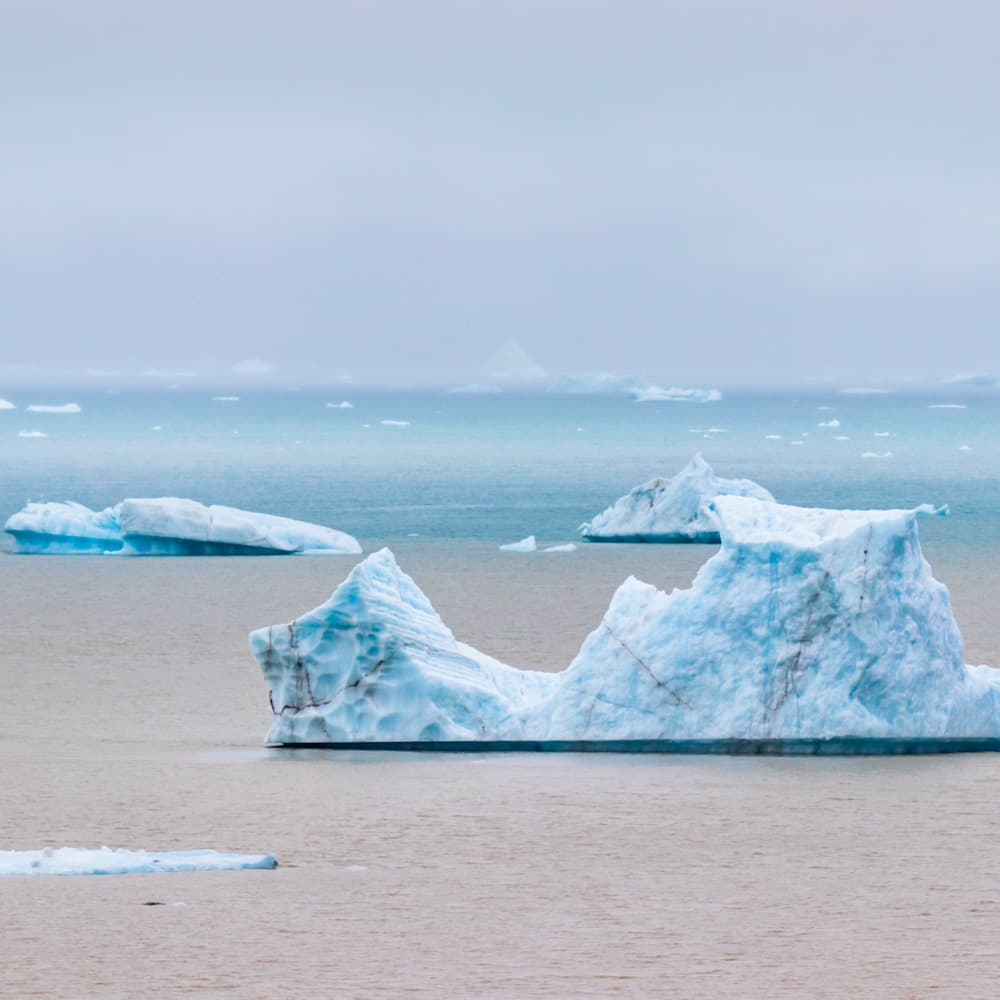
Spring in the Queen Elizabeth Islands is a time of transformation and awakening. As the temperatures gradually rise from late March through June, the ice begins to break, and the snow starts to melt, revealing the rugged terrain beneath. This period is ideal for witnessing the spectacular natural phenomenon of ice calving, where large chunks of ice break off from the glaciers and icebergs. Wildlife, such as Arctic hares, foxes, and migrating birds, become more active, making it a great time for wildlife enthusiasts. However, travelers should be prepared for variable conditions, as temperatures can still dip below freezing, and snow can fall even in late spring.
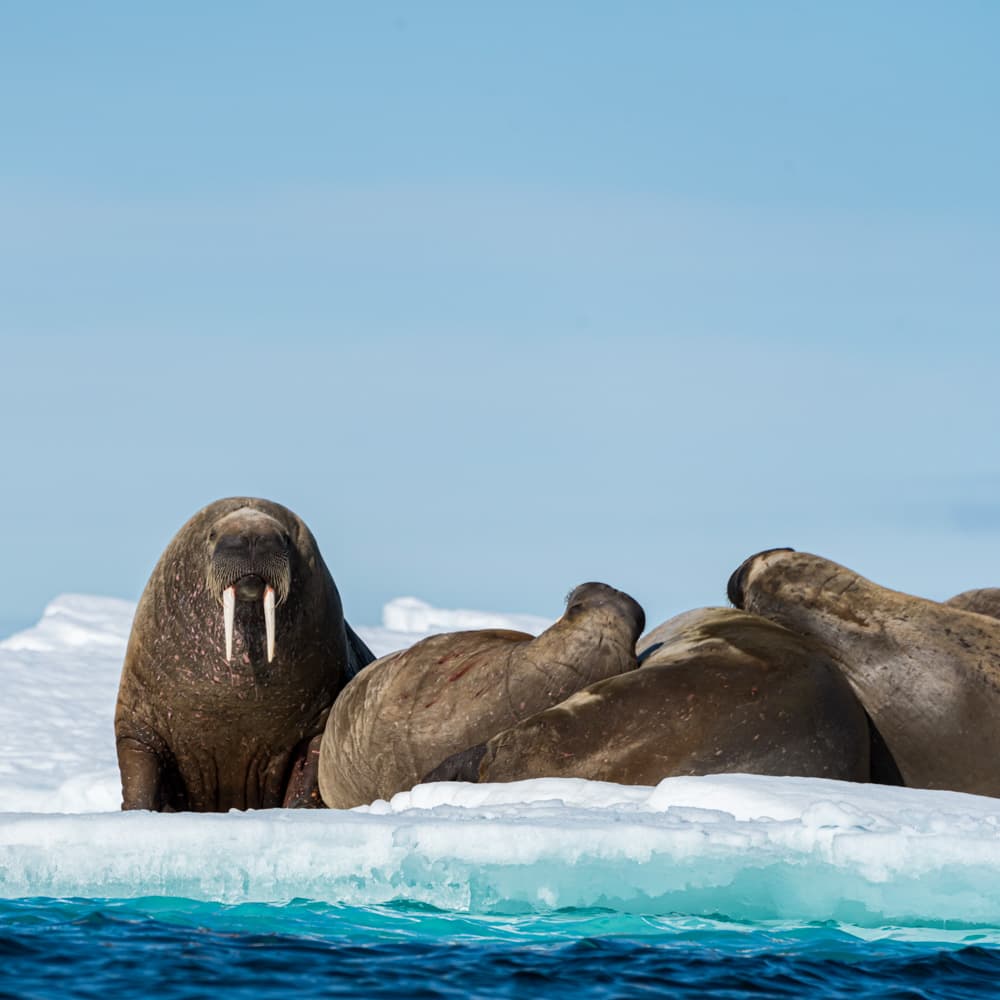
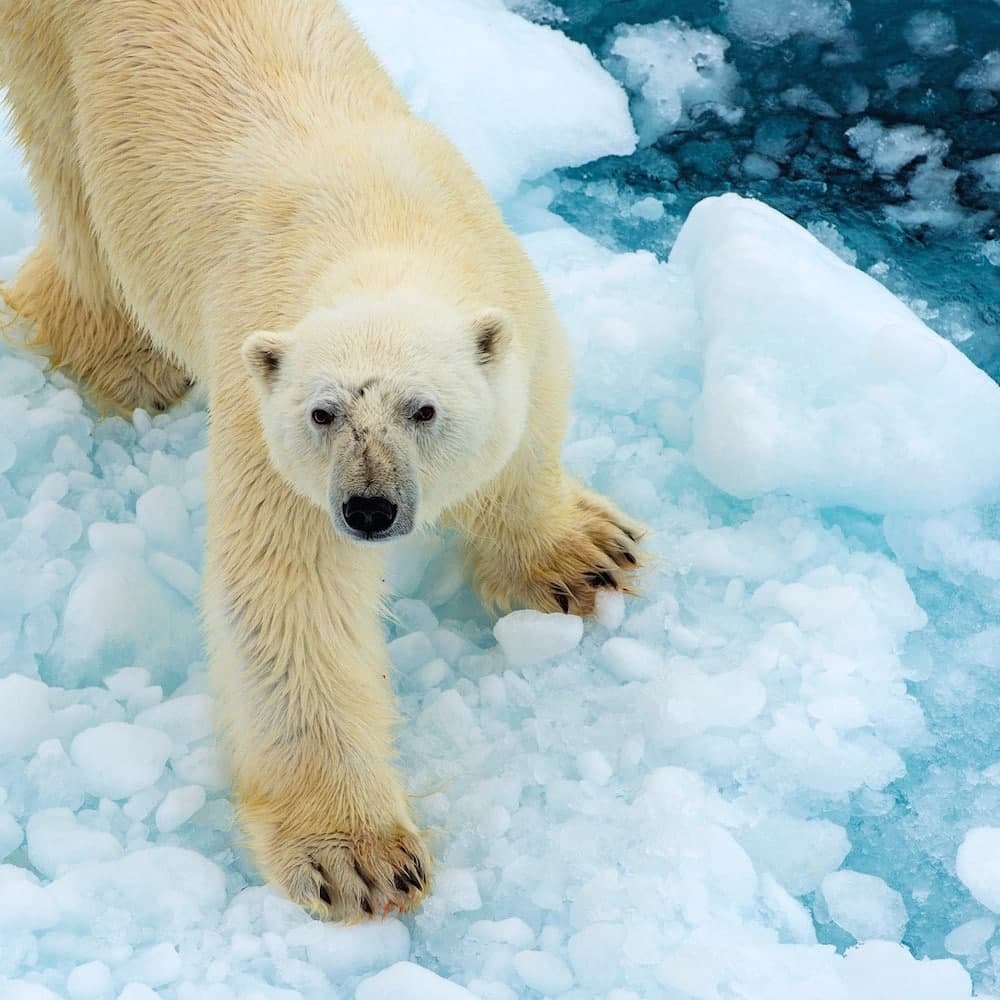
Summer, spanning July through August, brings the most accessible conditions for exploring the Queen Elizabeth Islands. The 24-hour daylight of the Arctic summer offers ample opportunity for sightseeing and outdoor activities such as hiking, kayaking among icebergs, and wildlife photography. The tundra blooms with Arctic flora, adding splashes of color to the landscape. This is also the best time to spot a variety of Arctic wildlife, including polar bears, seals, and walruses, especially near the coasts. Despite the milder weather, visitors should still dress in layers, as temperatures can vary significantly.
Autumn arrives early in the Arctic, with September marking the onset of cooler temperatures and the return of darkness. The brief autumn season offers a unique charm as the tundra turns into vibrant hues of red, orange, and yellow, contrasting beautifully against the still-present ice formations. It's a transitional period for wildlife, with many species preparing for the long winter ahead. Autumn also offers the first chances to witness the Northern Lights (Aurora Borealis) as the nights begin to lengthen, providing a breathtaking natural light show.
Winter in the Queen Elizabeth Islands, spanning from October to February, is a season of extreme conditions, with long periods of darkness, known as the Polar Night, and temperatures often plummeting below -30°C (-22°F). This season appeals to the most adventurous travelers, offering unique experiences such as ice fishing, snowmobiling, and the chance to see the Arctic in its most serene and undisturbed state. The stark landscapes covered in snow and ice create an otherworldly beauty. Additionally, the darkness of winter provides excellent opportunities for viewing the Northern Lights, with their colors dancing across the sky in clear conditions.