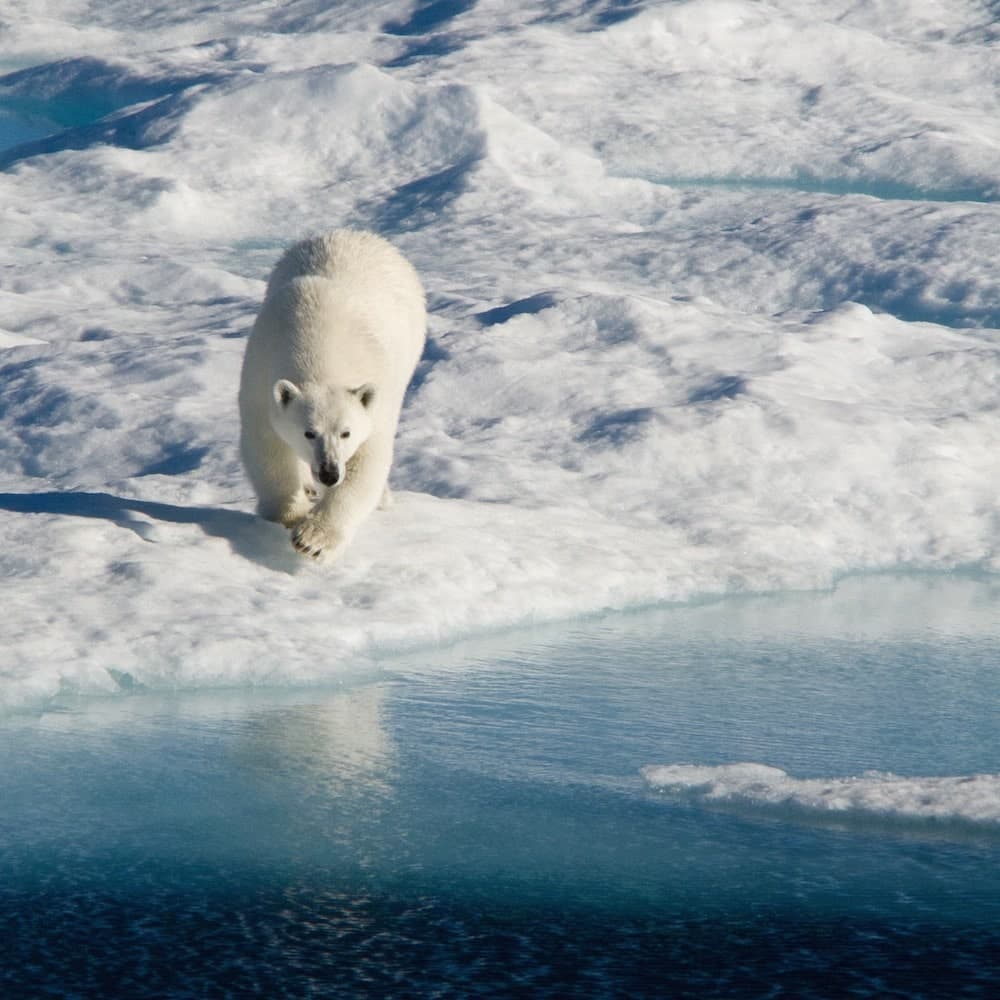
As the Arctic begins to thaw, spring in the Canadian Arctic is a time of renewal and awakening. The snow and ice start to melt, revealing the stark, beautiful landscapes beneath. It's an excellent time for those interested in wildlife to visit, as animals such as polar bears, seals, and a variety of birds become more active. The temperatures are still cold, ranging from -15°C to 0°C, but the increasing daylight hours offer more opportunities for exploration. Spring is also ideal for witnessing the breathtaking Northern Lights before the endless daylight of summer sets in.
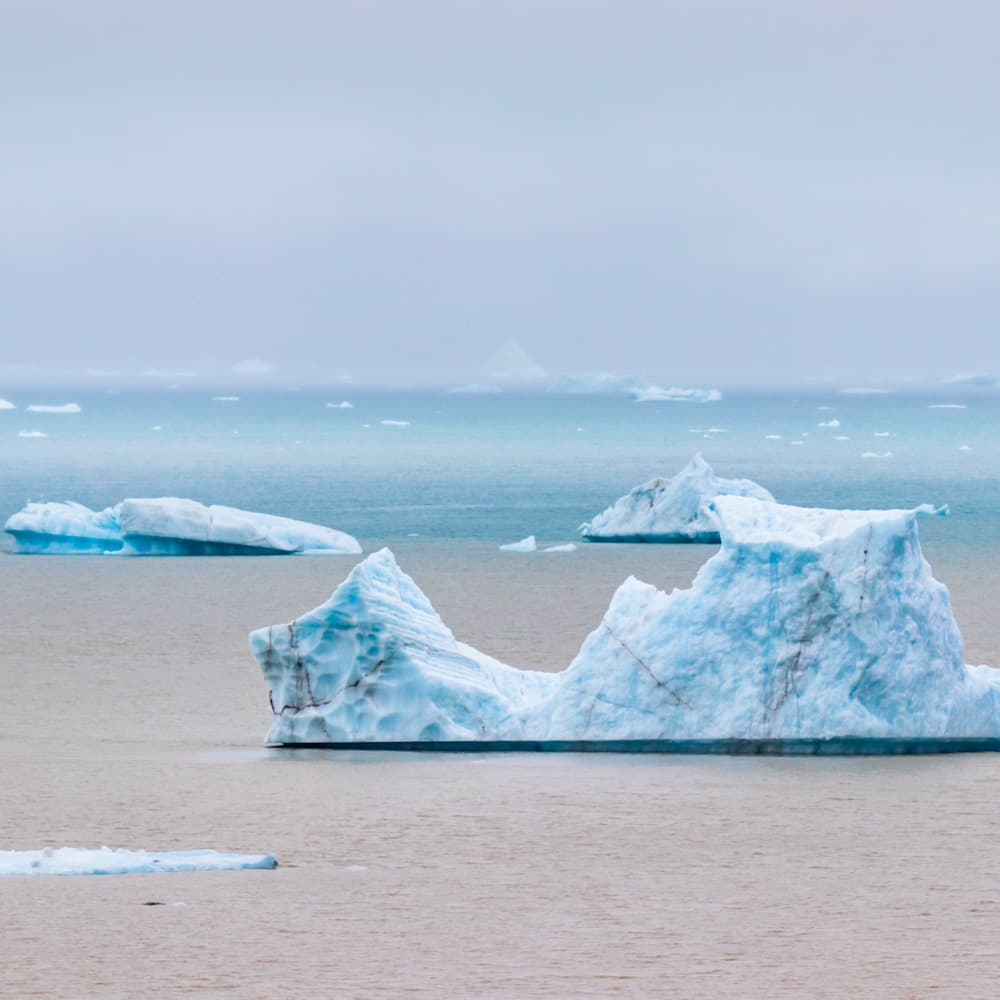
Summer in the Canadian Arctic is a period of endless daylight, thanks to the midnight sun. Temperatures warm up to around 5°C to 15°C, making it a more comfortable time for visitors. The landscape transforms into a surprisingly vibrant ecosystem, with wildflowers blooming and wildlife such as caribou, foxes, and migratory birds being more visible. Summer is the best time for exploring the region's unique geography, with opportunities for hiking, kayaking among icebergs, and even dipping into the Arctic Ocean for the brave at heart. It's also the season for cultural festivals in Indigenous communities, where travelers can learn about local traditions and crafts.
Autumn brings a dramatic change to the Arctic landscape, with the tundra turning vibrant shades of red, orange, and yellow. It's a short but spectacular season, with cooler temperatures ranging from -10°C to 5°C. This season offers one of the last chances to see the Northern Lights before the polar night begins. Wildlife, preparing for the coming winter, can be observed gathering food, and it's an excellent time for photography enthusiasts to capture the stunning contrast of autumn colors against the snow that begins to fall towards the end of the season.
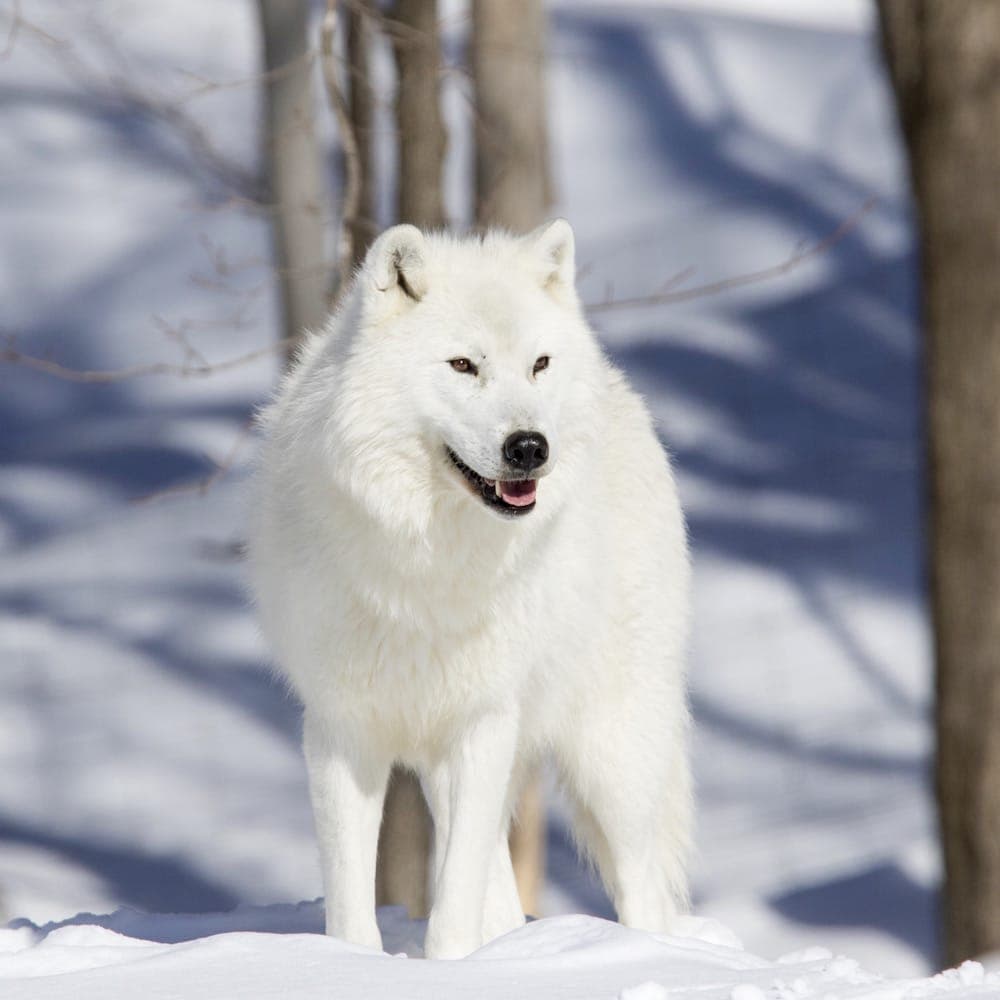
Winter in the Canadian Arctic is a season of extreme conditions, with temperatures plunging as low as -40°C and the polar night casting the region into continuous darkness. Despite the cold, it's a magical time to visit, offering a unique perspective on Arctic life. The snow and ice create a pristine environment for snowmobiling, dog sledding, and ice fishing. The clear, dark skies provide an excellent backdrop for viewing the Northern Lights. Winter festivals celebrate the resilience and culture of the Arctic peoples, offering warmth and community amidst the cold.