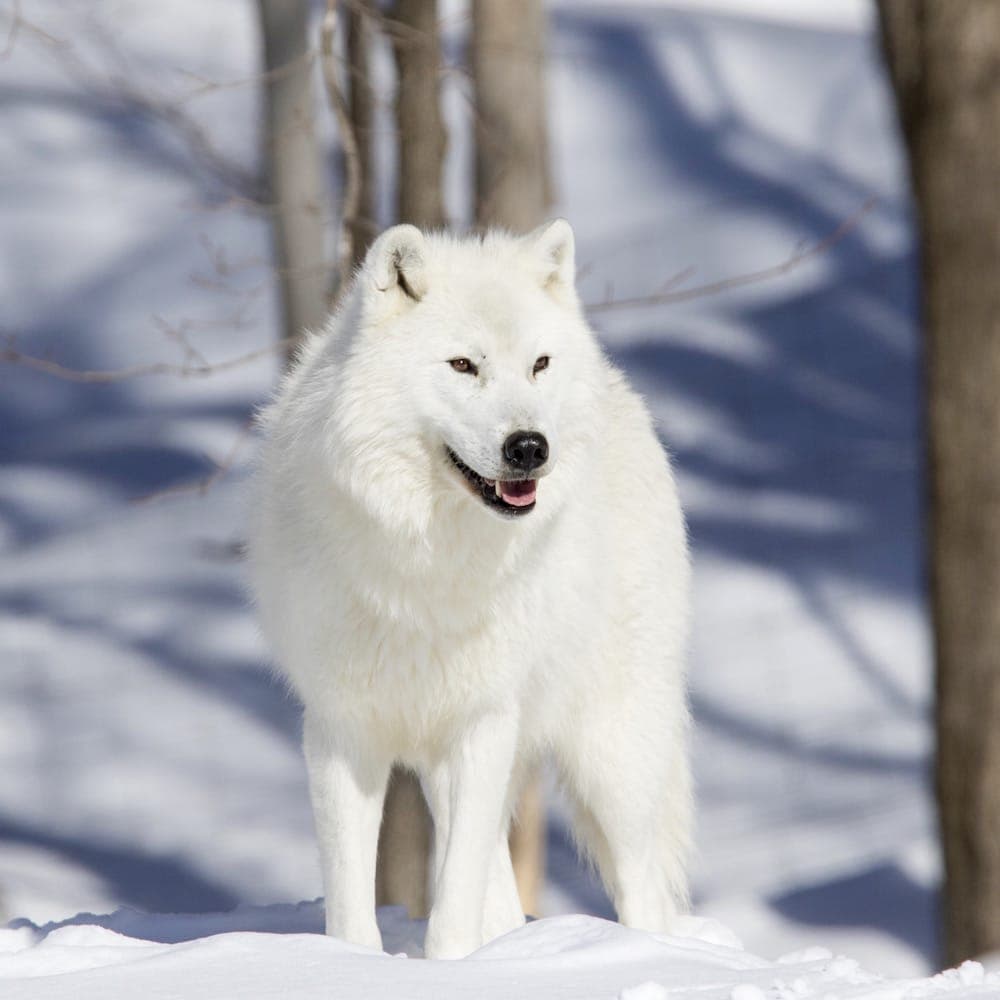
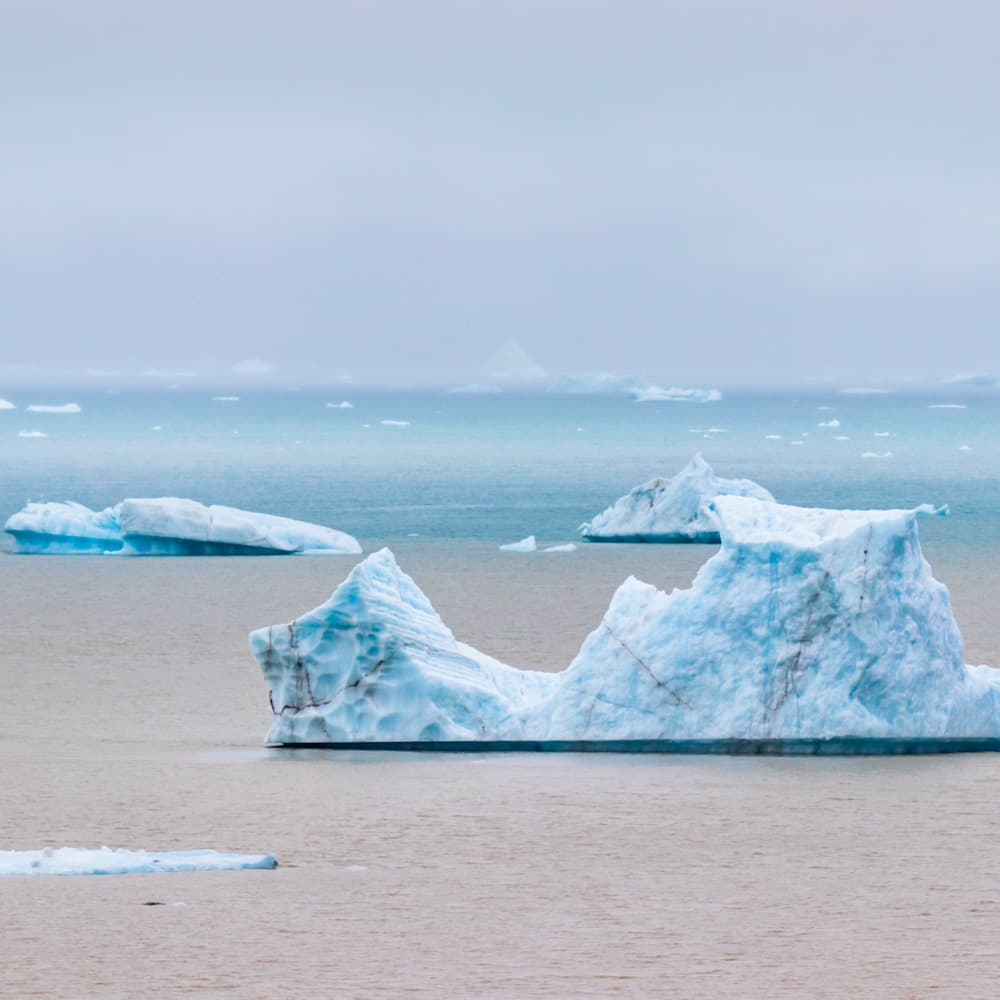
Spring on Ellesmere Island is a period of transformation, as the harsh winter begins to soften, and days gradually lengthen, offering more sunlight. This season is ideal for witnessing the majestic Northern Lights before they fade into the endless daylight of summer. The snow and ice start to recede, revealing the island's rugged terrain. It's an excellent time for snowmobiling and ice fishing, as the ice remains thick enough for exploration. Travelers can expect cold temperatures, so appropriate gear is essential. Wildlife begins to stir, with migratory birds returning and the possibility of spotting polar bears and arctic foxes as they emerge from winter dens.
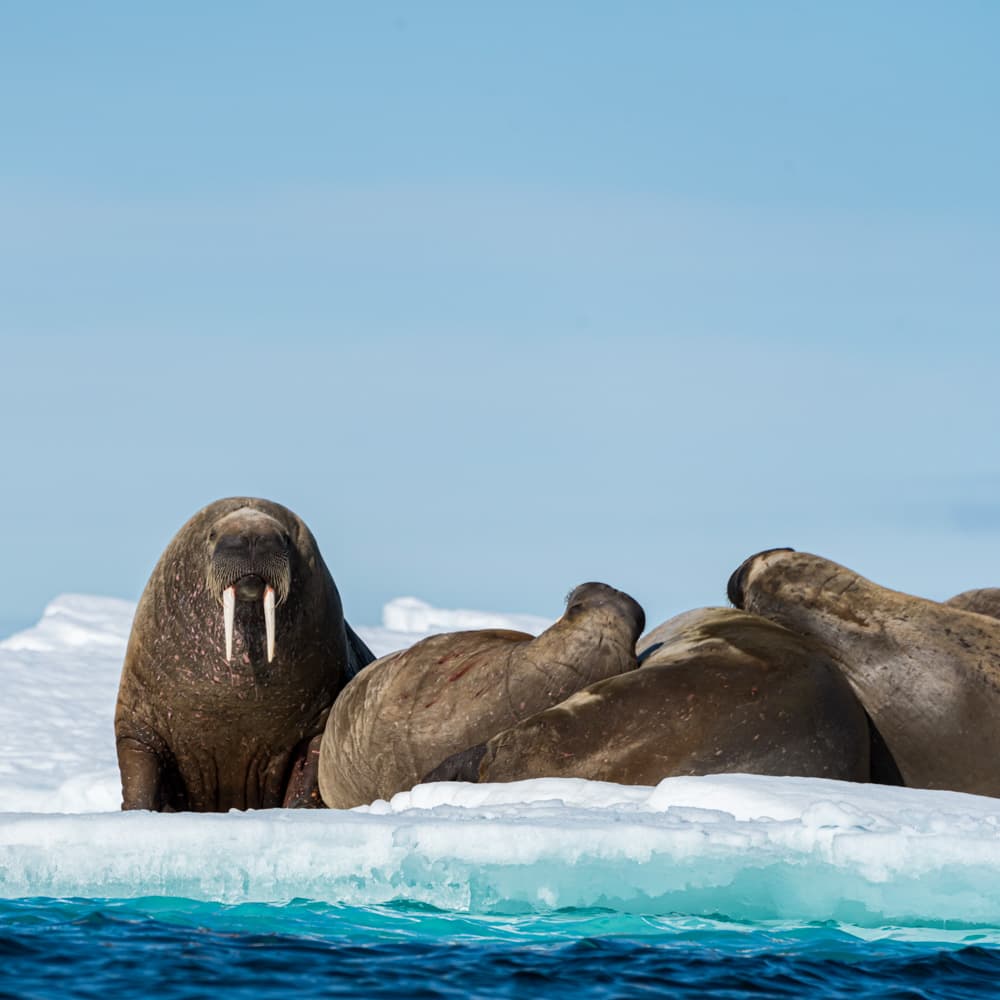
Summer brings a dramatic shift to Ellesmere Island, with the sun barely setting, providing 24 hours of daylight, known as the Midnight Sun. The landscape transforms into a tundra bloom, with wildflowers and mosses carpeting the ground, offering a stark contrast to its usual icy facade. It's the best time for hiking, kayaking in the thawed waters, and wildlife observation, as animals are more active. Birds, including the rare snowy owl, are prevalent, and the thawed seas may allow for glimpses of seals, walruses, and even narwhals. Temperatures are mild but can vary, so layered clothing is recommended.
Autumn on Ellesmere Island is short but breathtaking, with the tundra turning vibrant hues of red, orange, and yellow. The onset of cooler temperatures and the return of darkness bring back the Northern Lights, visible against clearer skies. It's a transitional period for wildlife, with many species preparing for the long winter ahead. This season offers unique photography opportunities, capturing the contrast of autumn colors against the encroaching ice. However, travelers should be prepared for quickly changing conditions and the beginning of sea ice formation, making navigation challenging.
Winter in Ellesmere Island is extreme, characterized by deep snow, ice, and long nights, with the sun disappearing for months during the Polar Night. Despite the harsh conditions, it's a magical time for those seeking the solitude and beauty of the Arctic winter. Ice climbing, cross-country skiing, and dog sledding become popular activities. The clear, dark skies provide an excellent backdrop for the Aurora Borealis, offering a spectacle of lights that dance across the sky. Travelers must be well-prepared for the cold, with temperatures plunging far below freezing.