Spring in Etosha National Park marks the transition from the dry season to the rainy season. This time of year offers a unique blend of experiences for visitors. As the park starts to receive the first showers, the landscape begins to turn green, and many animals give birth, making it an excellent time for wildlife viewing. Waterholes still attract large numbers of animals, providing great opportunities for spotting elephants, lions, and other big game. Temperatures are pleasant, typically ranging from 20°C to 30°C (68°F to 86°F), making it comfortable for game drives and photography.
Summer in Etosha is characterized by hot temperatures and the rainy season. The park’s scenery transforms dramatically with lush vegetation and filled waterholes. While the rains can make some areas muddy and less accessible, they also bring a vibrant burst of life, with migratory birds arriving and many animals being more dispersed. Temperatures can soar to around 35°C (95°F) or higher, so early morning and late afternoon game drives are recommended to avoid the heat. The increased water availability means animals are more spread out, but the park is less crowded with tourists, providing a more serene experience.
Autumn in Etosha sees a gradual decrease in rainfall and a cooling of temperatures, making it a favorable season for visiting. The landscape remains green, and wildlife viewing is still excellent, with many animals visible near the remaining waterholes. Temperatures range from 15°C to 28°C (59°F to 82°F), creating a comfortable climate for exploration. This period is also known for stunning sunsets and the chance to see a wide variety of bird species. The park is less busy compared to the peak tourist season, allowing for a more relaxed and intimate wildlife experience.
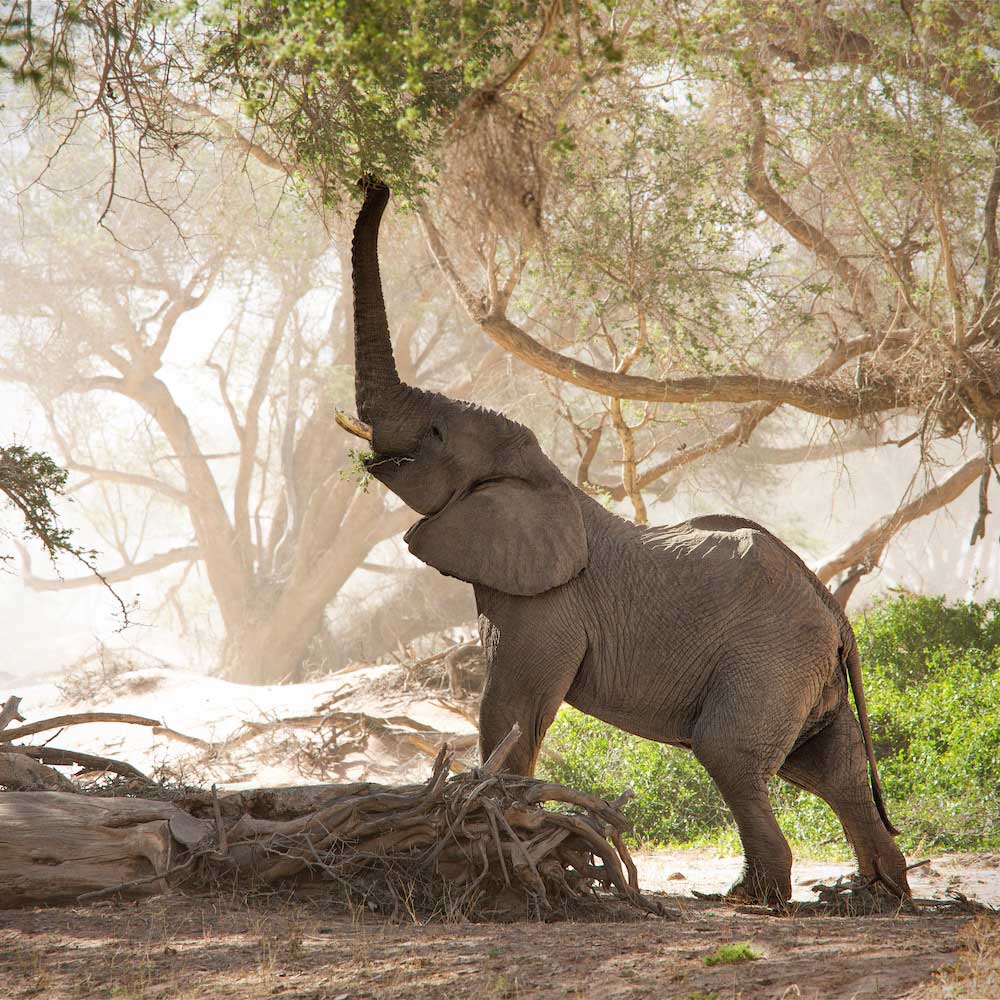
Winter is the peak tourist season in Etosha National Park due to its dry conditions and optimal wildlife viewing opportunities. During this time, temperatures are cooler, ranging from 10°C to 25°C (50°F to 77°F), making it ideal for all-day game drives. The sparse vegetation and drying waterholes force animals to congregate around the remaining water sources, providing exceptional sightings of elephants, rhinos, lions, and more. The clear skies and crisp air enhance visibility, making it a photographer’s paradise. However, it’s important to book accommodations and tours well in advance, as this is the most popular time to visit the park.