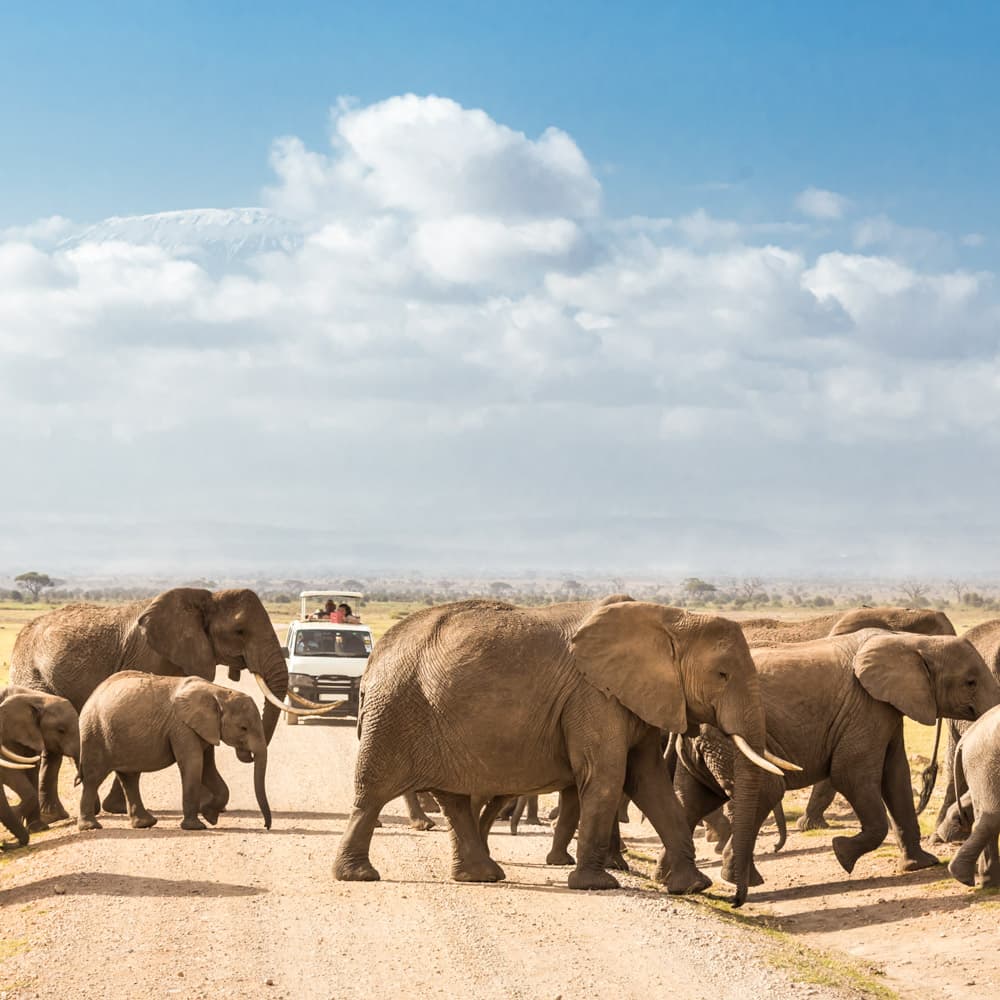
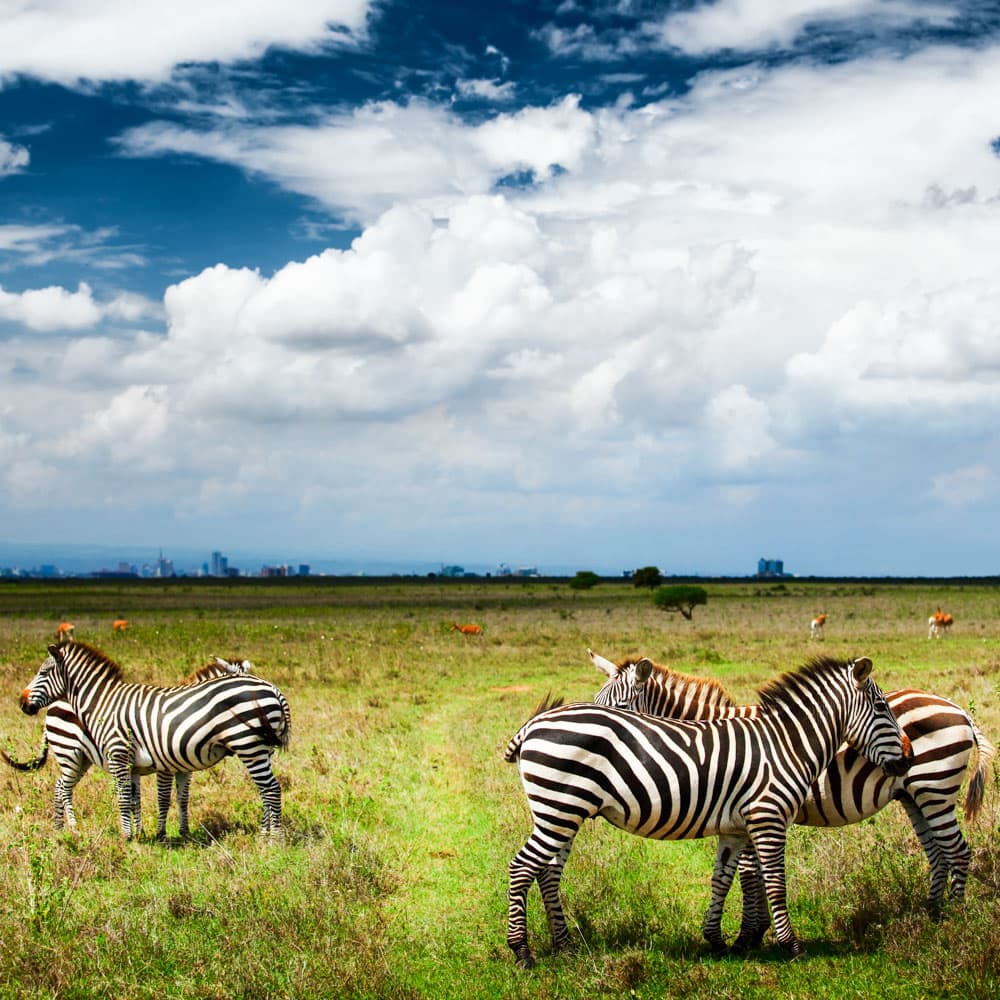
Spring in Tsavo East National Park, spanning from March to May, brings intermittent rains, which revitalize the park’s vast landscape. Visitors during this time can witness the park's flora flourishing, transforming the scenery into a green expanse. The rains attract a variety of animals, including large herds of elephants, zebras, and buffaloes, congregating around waterholes. Bird enthusiasts will also appreciate the presence of migratory birds, adding to the park's rich avian diversity.
From June to August, the dry season sets in, making it an excellent time for wildlife viewing. The park's vegetation thins out, making it easier to spot animals. During these months, animals gather around the remaining water sources, providing prime opportunities for sightings of lions, cheetahs, and giraffes. The clear skies and sunny weather create ideal conditions for photography and game drives, ensuring a rewarding safari experience.
Autumn, running from September to November, is marked by the short rains starting towards the end of the season. Early autumn still offers dry conditions similar to summer, with excellent visibility for spotting wildlife. As the rains begin, the park starts to green again, providing a fresh backdrop for exploring. This transitional period offers a unique blend of dry season wildlife viewing and the initial bursts of new plant growth, making it a versatile time to visit.
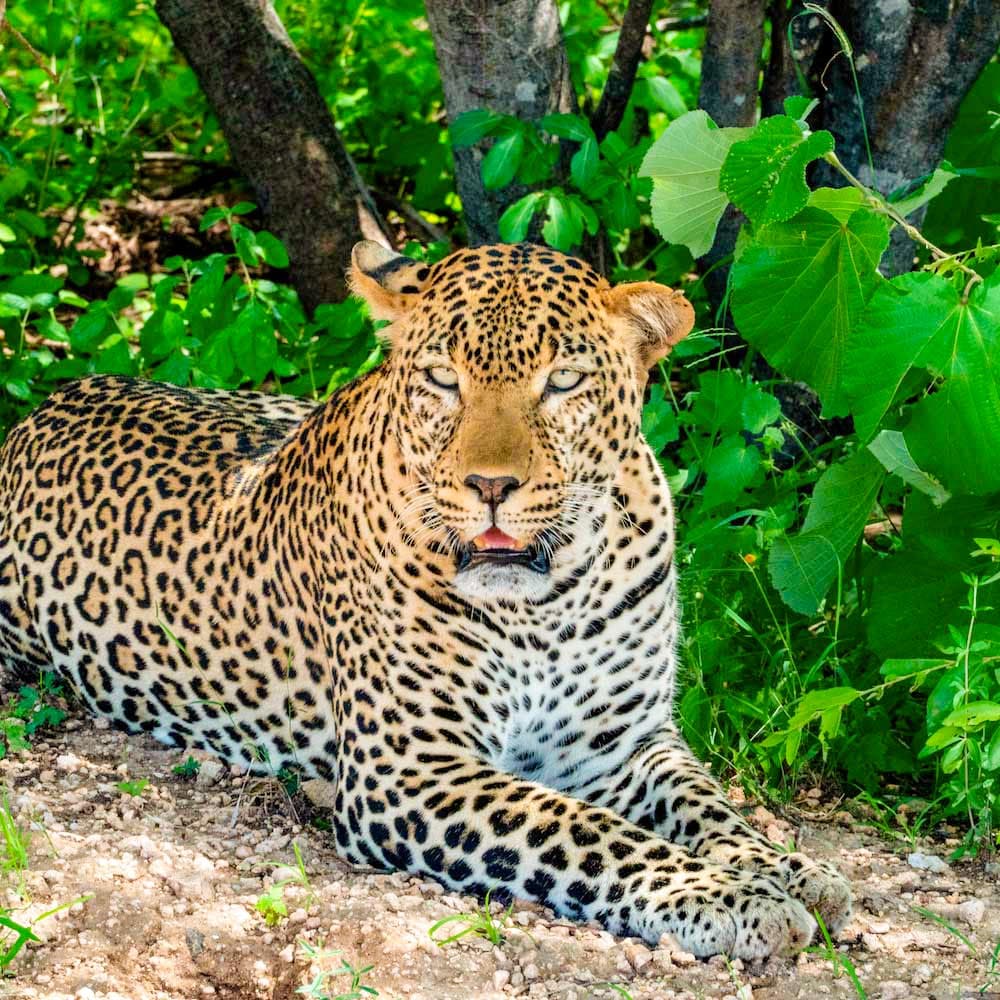
Winter in Tsavo East National Park, from December to February, is characterized by warm, dry weather. These months are perfect for game drives as animals are more active in the cooler temperatures. The absence of rain makes the park more accessible, and the clear skies are ideal for both early morning and late afternoon safaris. This season offers consistent wildlife sightings, including predators like lions and leopards, often seen near water sources.