During spring, Amboseli National Park begins to transform with the onset of the long rains. The landscape becomes lush and green, providing a striking contrast to the usually dry terrain. Wildlife, including elephants, zebras, and wildebeests, can be seen grazing on the fresh vegetation. Bird watchers will find this season particularly rewarding as migratory birds arrive in large numbers, adding vibrant colors and diverse species to the park’s avian population. While the rains can make some roads challenging to navigate, the rejuvenated scenery and increased wildlife activity make it a worthwhile time to visit.
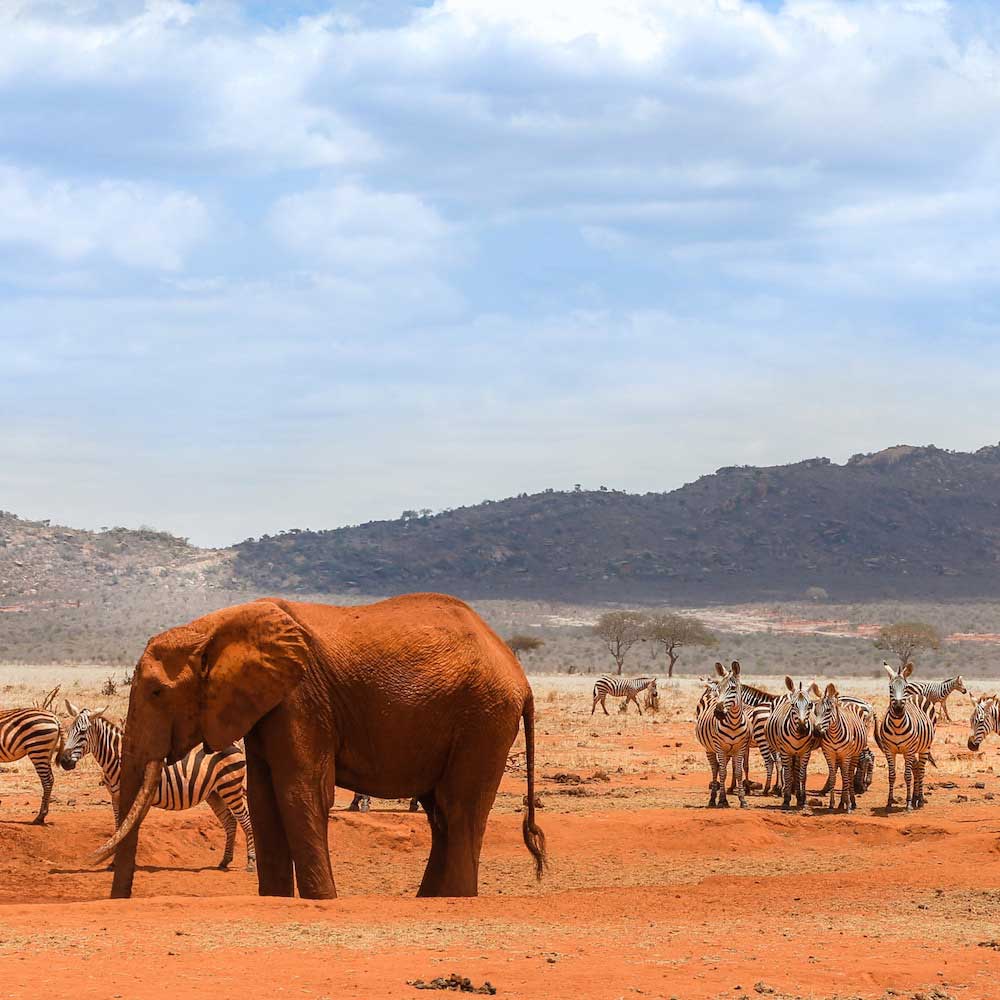
Summer in Amboseli is characterized by dry, sunny days and cooler nights, making it an ideal time for game viewing. The vegetation starts to thin out, making it easier to spot wildlife as they gather around the park’s water sources, such as the seasonal swamps and Lake Amboseli. Elephants are particularly prominent, often seen in large herds. The clear skies offer spectacular views of Mount Kilimanjaro, providing a picturesque backdrop for wildlife photography. This is the peak tourist season, so expect more visitors and possibly higher rates for accommodations and park activities.
Autumn brings the short rains, usually starting in late October. Before the rains begin, the landscape is dry and animals are concentrated around waterholes, making wildlife sightings frequent and predictable. The temperatures remain warm, and the occasional showers help to cool down the afternoons. This season sees fewer tourists compared to the summer months, offering a more tranquil experience. It’s a good time to explore the park’s less crowded areas and take in the expansive views of the savannah and Kilimanjaro, which can still be quite clear during this period.
Winter is one of the best times to visit Amboseli National Park. The weather is hot and dry, with minimal rainfall, ensuring that most roads are accessible and game viewing is at its peak. Wildlife is abundant, as animals gather around the remaining water sources, making it easy to see elephants, lions, cheetahs, and a variety of herbivores. The dry conditions also mean that the air is clear, providing excellent visibility of Mount Kilimanjaro’s snow-capped peak. This period is popular among photographers and nature enthusiasts looking to capture the essence of Amboseli’s stunning landscapes and diverse wildlife.