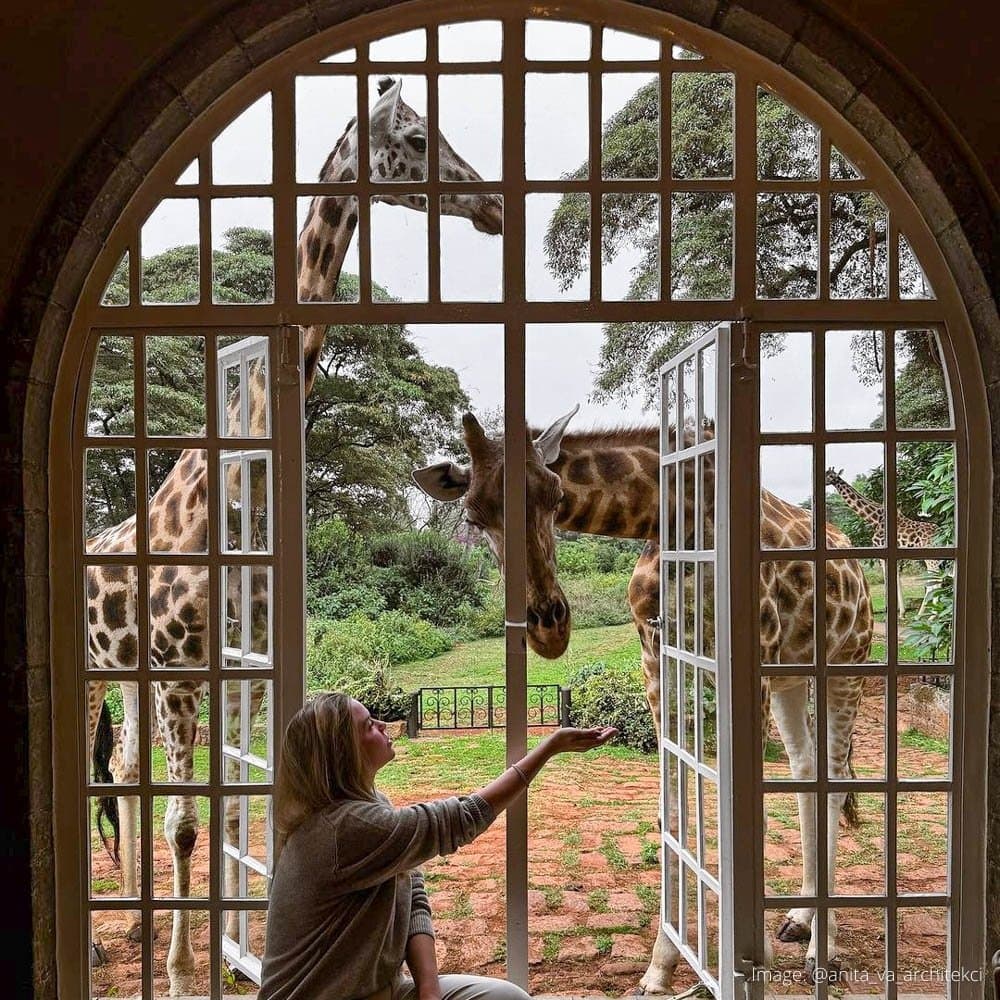
Spring in Nairobi National Park brings a mix of rain and sunshine, making the landscape lush and green. This is the ideal time for wildlife enthusiasts as the rains create abundant water sources, attracting animals to the park’s wetlands. Visitors can expect to see a variety of herbivores, such as zebras, giraffes, and antelopes, enjoying the fresh vegetation. The birdlife is also spectacular, with migratory species arriving, adding to the already diverse avian population. Though some roads might be muddy, the park remains accessible, and the cooler temperatures make game drives comfortable.
During the summer months, Nairobi National Park experiences its dry season, making it one of the best times for wildlife viewing. The vegetation thins out, and water sources become scarce, drawing animals to the park’s permanent waterholes and rivers. This concentration of wildlife around water points offers excellent opportunities to spot big game, including lions, leopards, and rhinos. The dry weather ensures that roads are in good condition, making it easier to explore different parts of the park. With clear skies and warm temperatures, summer provides a pleasant and rewarding experience for visitors.
Autumn marks the beginning of the short rains in Nairobi National Park, rejuvenating the landscape after the dry season. The park starts to green up, and new plant growth attracts various herbivores. This season is a great time to witness the calving of many species, providing a unique opportunity to see young animals and their interactions with their mothers. Birdwatchers will also appreciate the increased activity as migratory birds start arriving. While some showers can be expected, they are usually brief and followed by sunshine, ensuring that the park remains accessible and enjoyable.
Winter in Nairobi National Park is characterized by hot and dry weather, making it another prime season for wildlife viewing. The arid conditions force animals to gather around the remaining water sources, offering high chances of seeing large herds and predators in action. The park’s savannah landscape is golden and sparse, providing clear visibility for spotting wildlife. With minimal rainfall, roads are in excellent condition, facilitating smooth game drives. This season also coincides with the holiday period, making it a popular time for visitors looking to experience Kenya’s rich wildlife and natural beauty.