Spring in Nxai Pan National Park is a time of transformation and rejuvenation. As the dry winter comes to an end, the first rains begin to fall, gradually bringing the landscape back to life. This season is characterized by an increase in newborn wildlife, offering visitors the chance to witness the first steps of various antelope species. The temperatures start to rise, but the park remains less crowded, providing a more intimate experience with nature. Birdwatching enthusiasts will also enjoy this season as migratory birds start to arrive, adding to the park's already rich avian diversity.
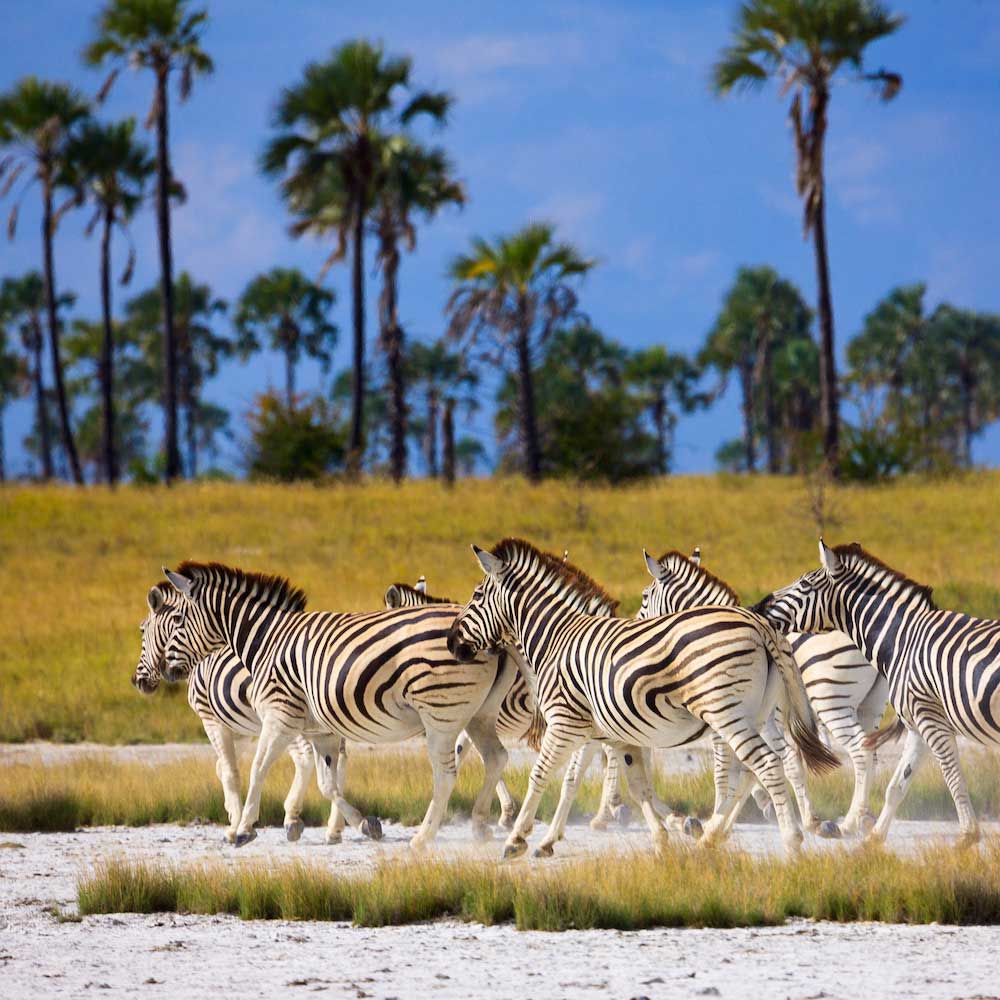
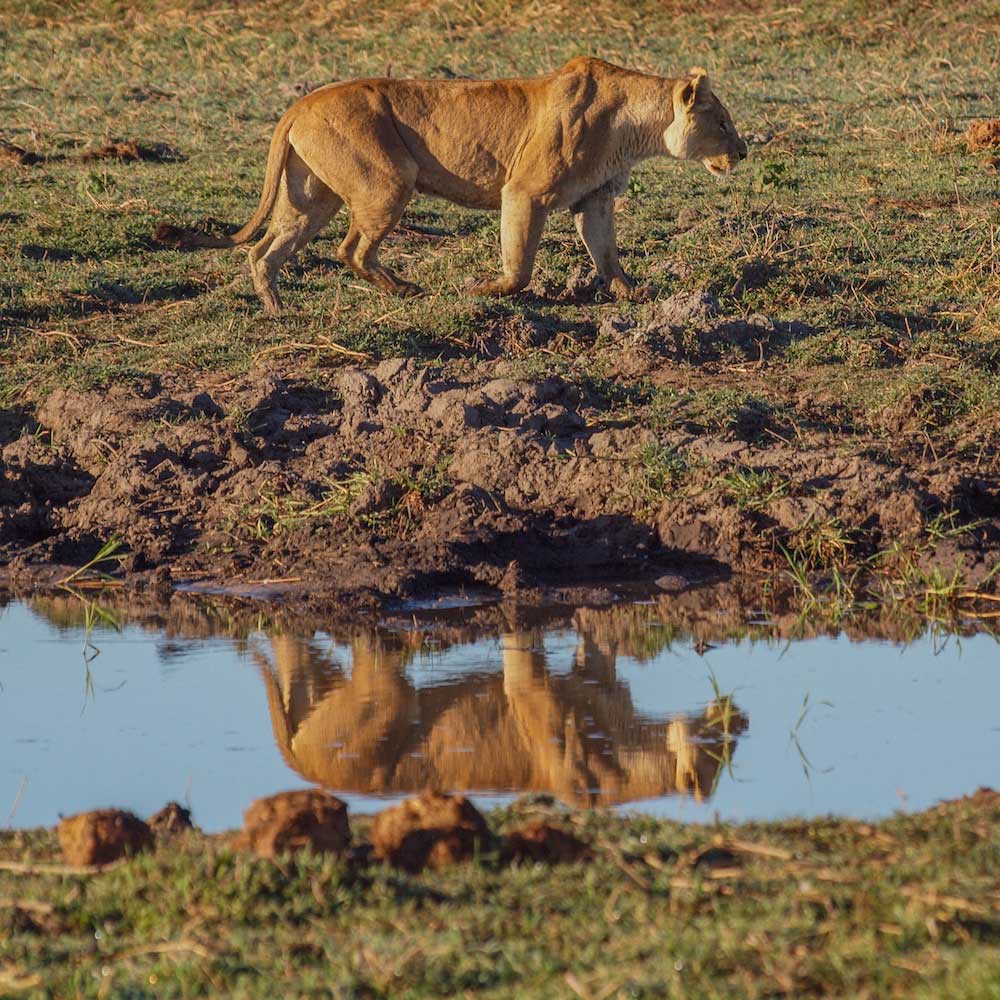
Summer is the wet season in Nxai Pan National Park, with sporadic but heavy rains transforming the pans into lush, green landscapes. This is the best time to see the park in its most vibrant state, with wildflowers blooming and fresh grasses attracting large herds of grazers, such as zebras and wildebeests. The abundance of prey also draws predators like lions and cheetahs, making for exciting wildlife viewing opportunities. However, visitors should be prepared for higher temperatures and occasional thunderstorms that can make some roads impassable.
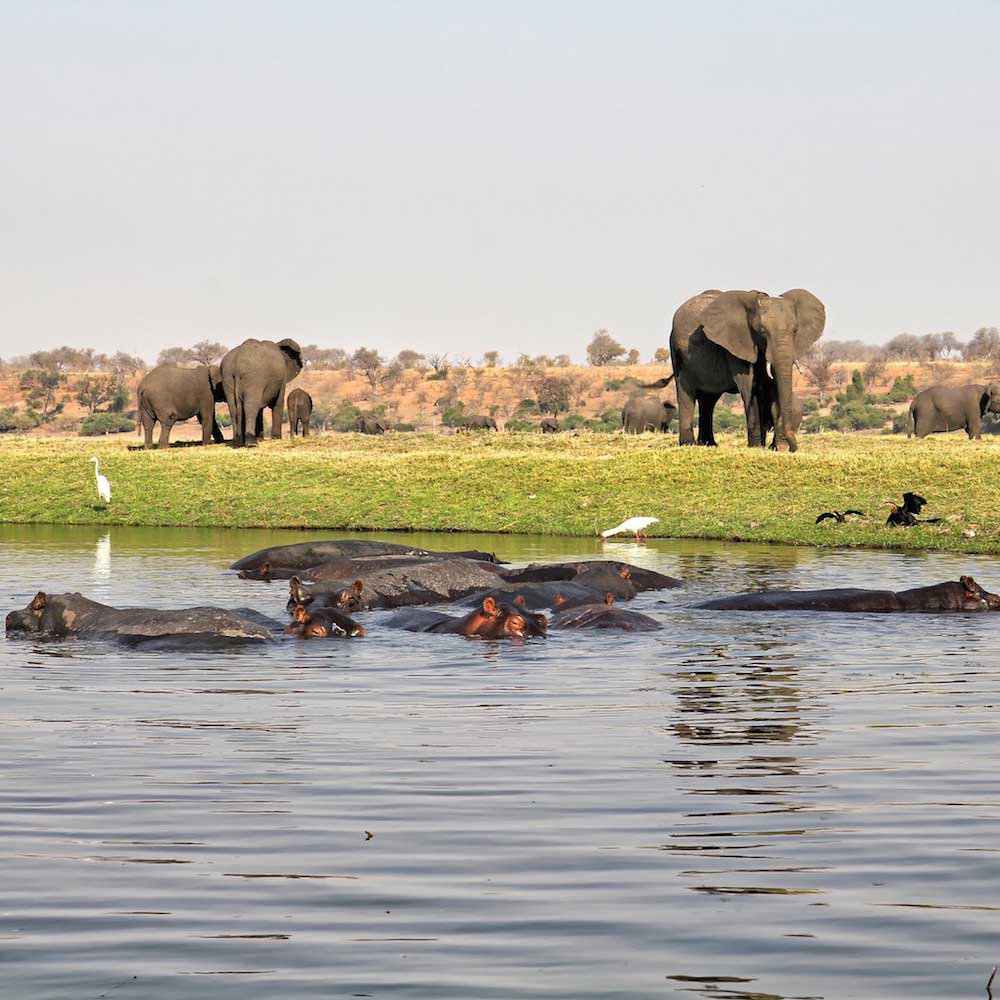
As the rains taper off, autumn ushers in a cooler climate and the beginning of the dry season. Water sources start to diminish, leading animals to congregate around the remaining waterholes, creating spectacular game viewing opportunities. The park's famous baobab trees begin to shed their leaves during this time, standing as majestic silhouettes against the landscape. This season offers a balanced climate, with comfortable temperatures and clearer skies, ideal for photography and extended game drives.
Winter in Nxai Pan National Park is characterized by dry, cool weather, with clear blue skies and minimal rainfall. This is arguably the best season for wildlife viewing, as the scarcity of water forces animals to gather around the few remaining water sources, making them easier to spot. The cooler temperatures make daytime activities more pleasant, and the reduced vegetation cover further enhances visibility. Nighttime can be quite cold, so visitors should pack accordingly. This season also offers the chance to witness the zebra migration, one of Africa's lesser-known but equally spectacular wildlife migrations.