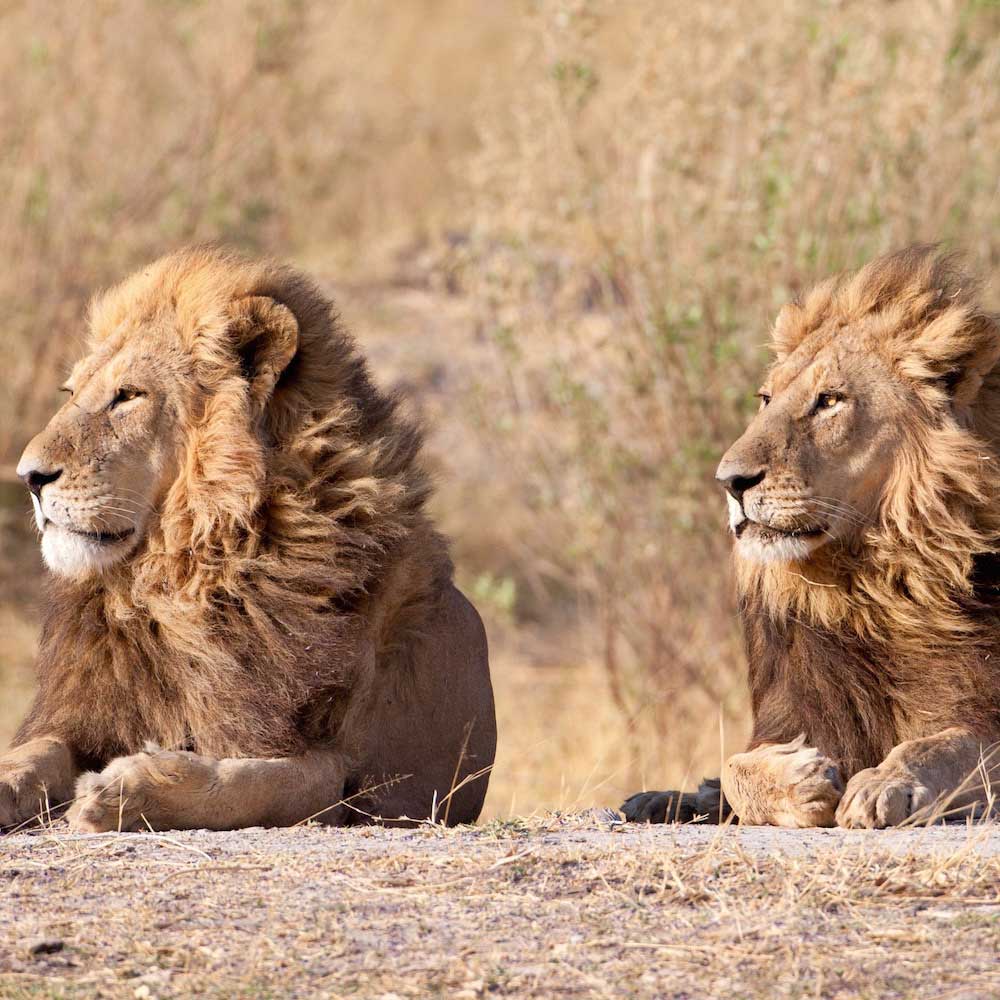
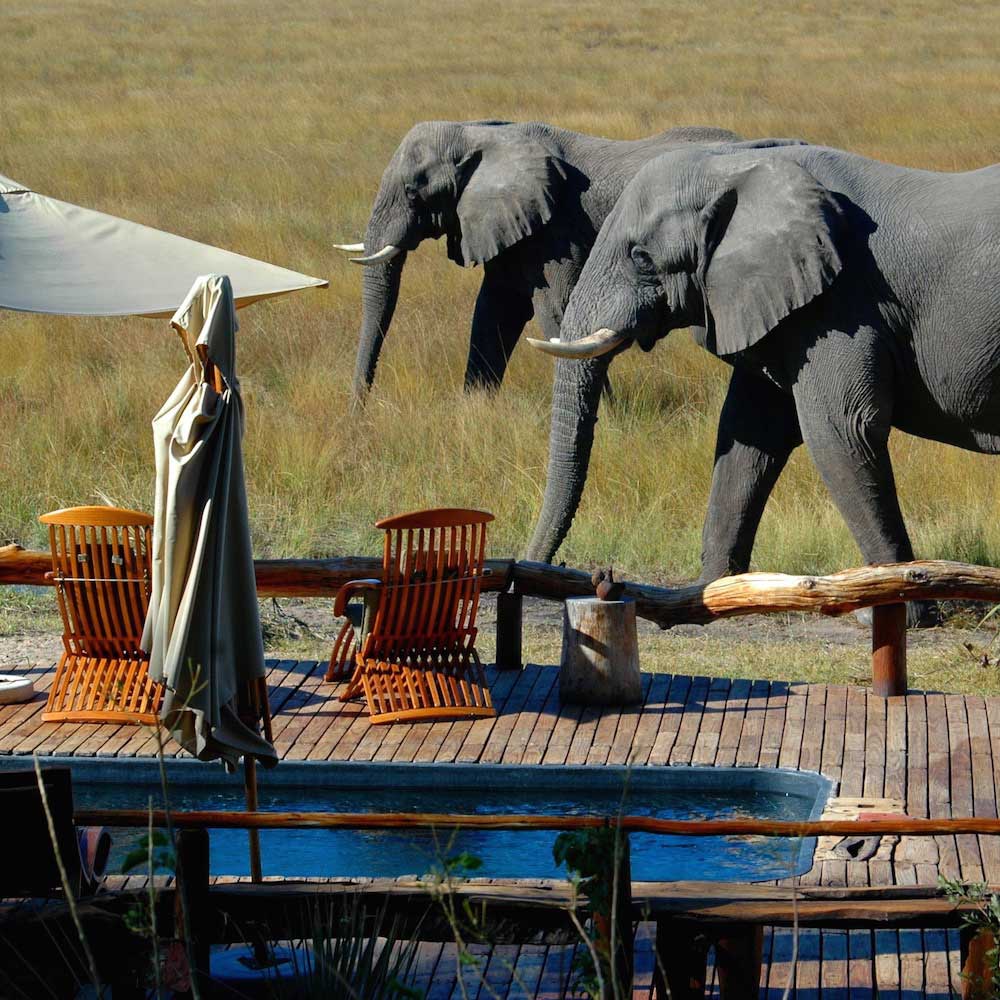
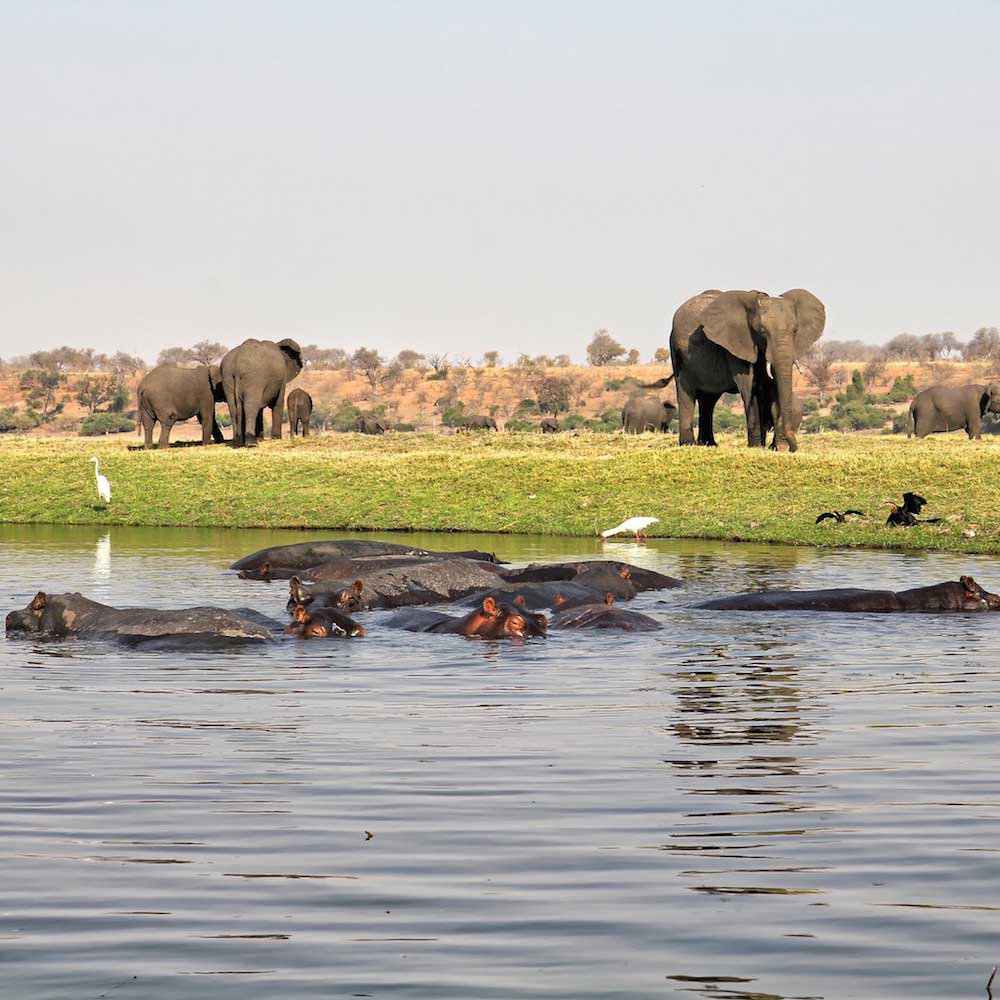
As the delta transitions from dry winter conditions, the arrival of the floodwaters revitalizes the region. This is the period when the landscape begins to transform, offering a unique blend of dry land and expanding waterways. Wildlife, including elephants, buffalos, and predators, start to congregate around the remaining water sources, making for excellent game viewing opportunities. Bird life also starts to flourish, with the return of migratory species.
Summer in the Okavango Delta is marked by higher temperatures and the rainy season. While this can make travel more challenging due to wet conditions, it's a critical time for the ecosystem as the rains replenish the waterways and stimulate growth. This season offers a different kind of beauty, with lush landscapes and a vibrant atmosphere. Animal sightings are frequent as wildlife adapts to the abundance of water and food.
The waters from the seasonal floods reach their peak during autumn, spreading further across the delta. This expansion of water creates new islands and channels, offering a paradise for canoe safaris and boat trips. It's an ideal time for bird watching and fishing, with the delta's life visibly thriving. The cooler temperatures make for comfortable safari conditions, and the clearer skies provide stunning sunsets.
Winter brings dry and cool weather, concentrating wildlife around the permanent water sources. This season is considered one of the best times for wildlife viewing, as animals are easier to spot. The lower water levels also make more areas accessible for game drives. Nights can be cold, but the days are clear and sunny, offering excellent conditions for photography and exploration.