Spring in Moremi Game Reserve is a time of transformation and new beginnings. As the dry winter gives way to warmer temperatures, the landscape begins to bloom with vibrant wildflowers and fresh greenery. Wildlife is particularly active during this season, with many species giving birth to their young, offering visitors exceptional opportunities to witness the circle of life in action. The weather is pleasantly warm, making it an ideal time for game drives and nature walks. Birdwatching enthusiasts will also be delighted as migratory birds start arriving, adding a colorful and lively dimension to the already spectacular scenery.
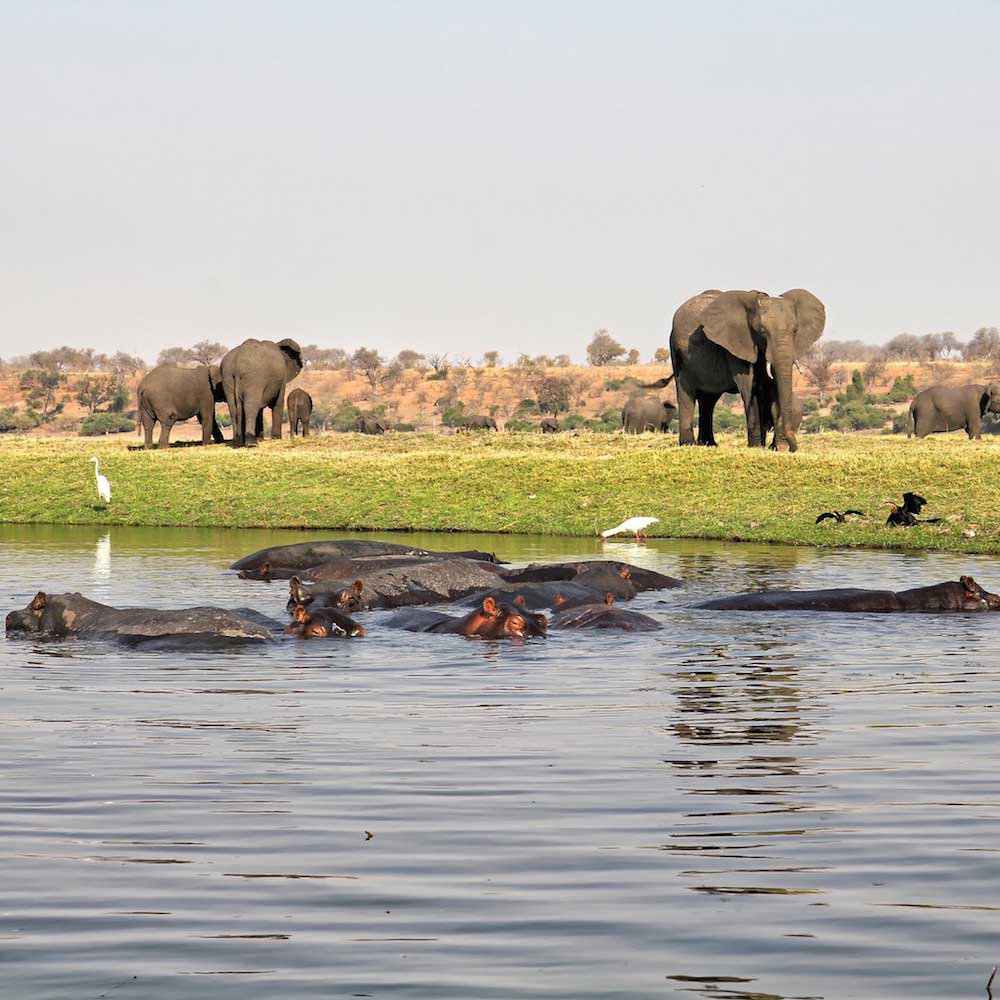
Summer in Moremi brings the rainy season, which transforms the reserve into a lush, verdant paradise. This is a time of abundance when water fills the Okavango Delta, attracting a plethora of wildlife to the region. The increased water levels make this the perfect season for mokoro (traditional canoe) safaris, offering a unique perspective on the reserve's aquatic life and landscapes. While the temperatures can be high and afternoon thunderstorms common, the dramatic skies and the freshness that follows the rains create a breathtaking backdrop for photography. The dense greenery can make wildlife spotting more challenging than in drier months, but the scenery and birdlife are unmatched.
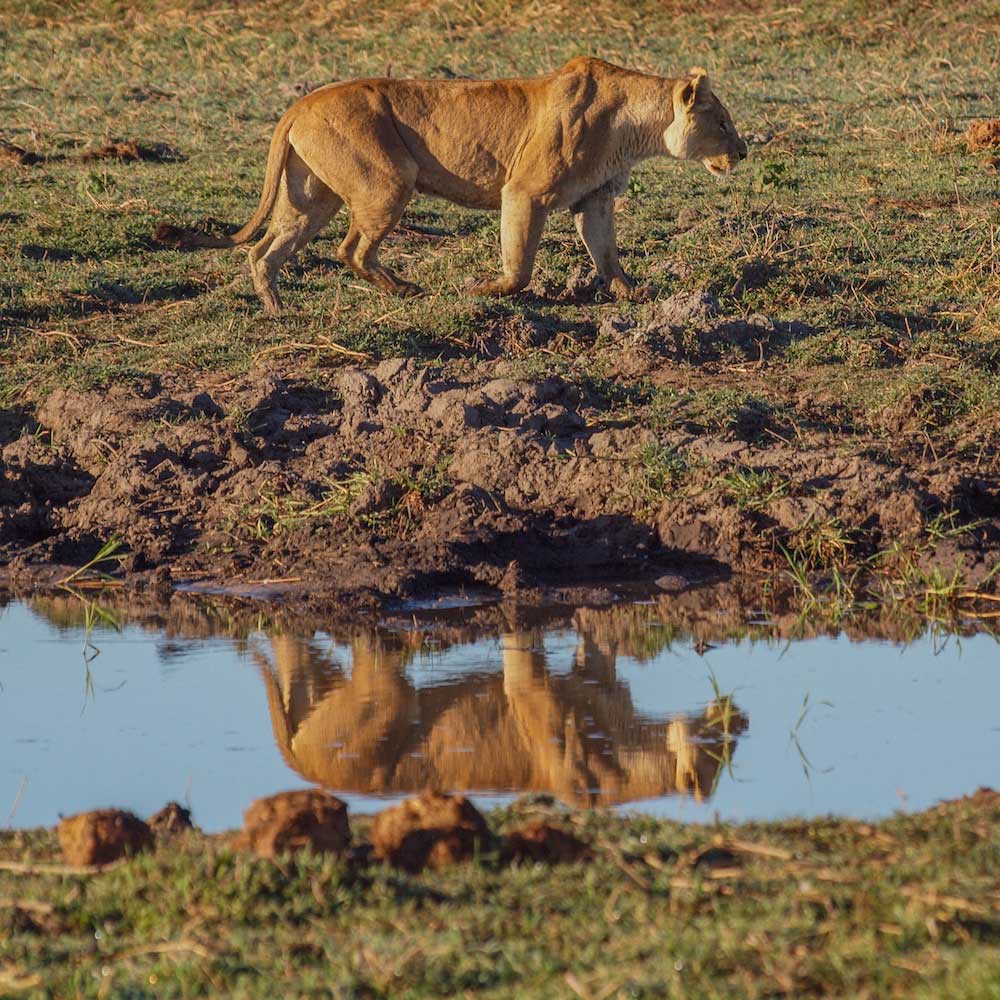
Autumn marks the transition from the wet to the dry season in Moremi Game Reserve. The weather starts to cool down, providing a comfortable climate for exploring. As the waters begin to recede, animals congregate around the remaining water sources, increasing the chances of observing diverse wildlife interactions. This season is particularly good for spotting predators such as lions, leopards, and cheetahs as they take advantage of the thinner vegetation to hunt. The skies are clear, and the light is golden, ideal for photographers aiming to capture the stunning landscapes and the magical sunsets that Botswana is famous for.
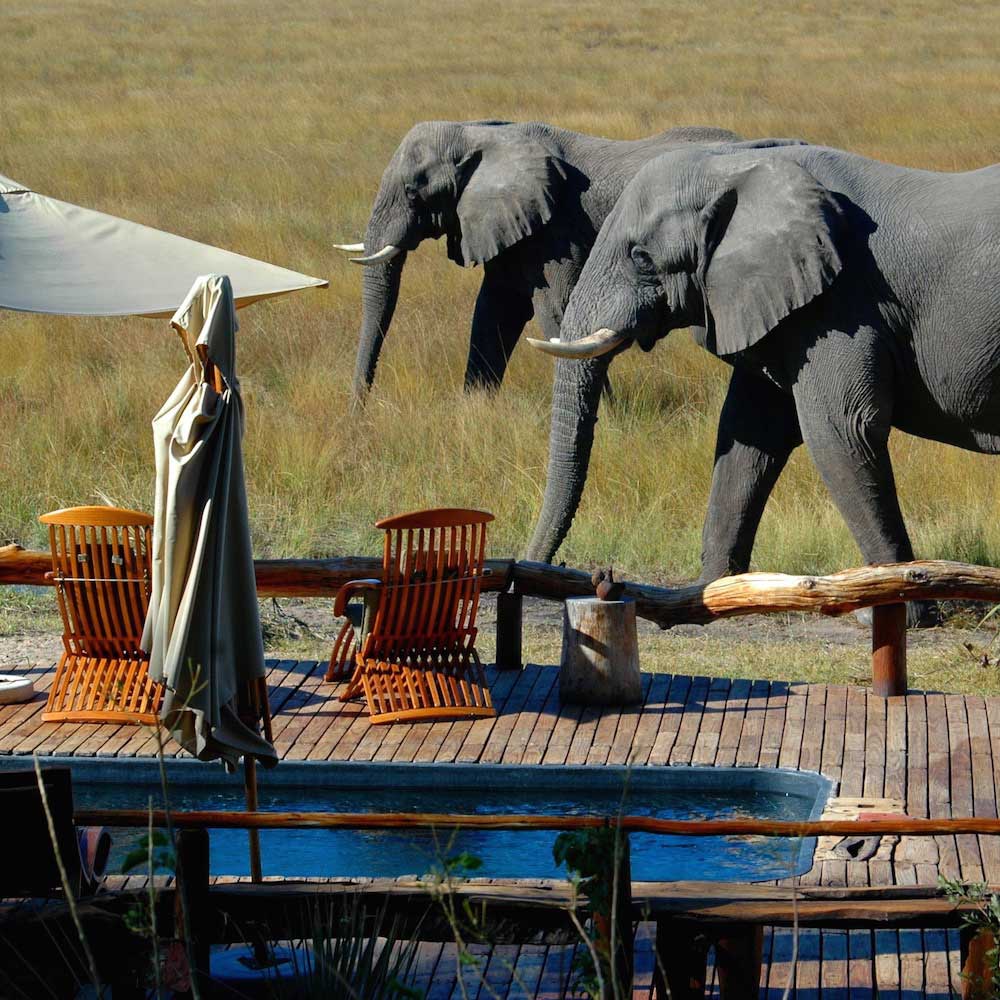
Winter in Moremi Game Reserve is characterized by dry, mild days and cool evenings. This is the peak season for wildlife viewing, as the sparse vegetation and limited water sources make animals easier to spot. Elephants, buffaloes, giraffes, and a variety of antelopes are commonly seen during this period, often close to campsites and lodges. The risk of malaria is lowest in these cooler months, making it a safer time for visitors. Additionally, the clear skies and minimal rainfall provide perfect conditions for stargazing, offering a serene and mesmerizing experience after sunset.