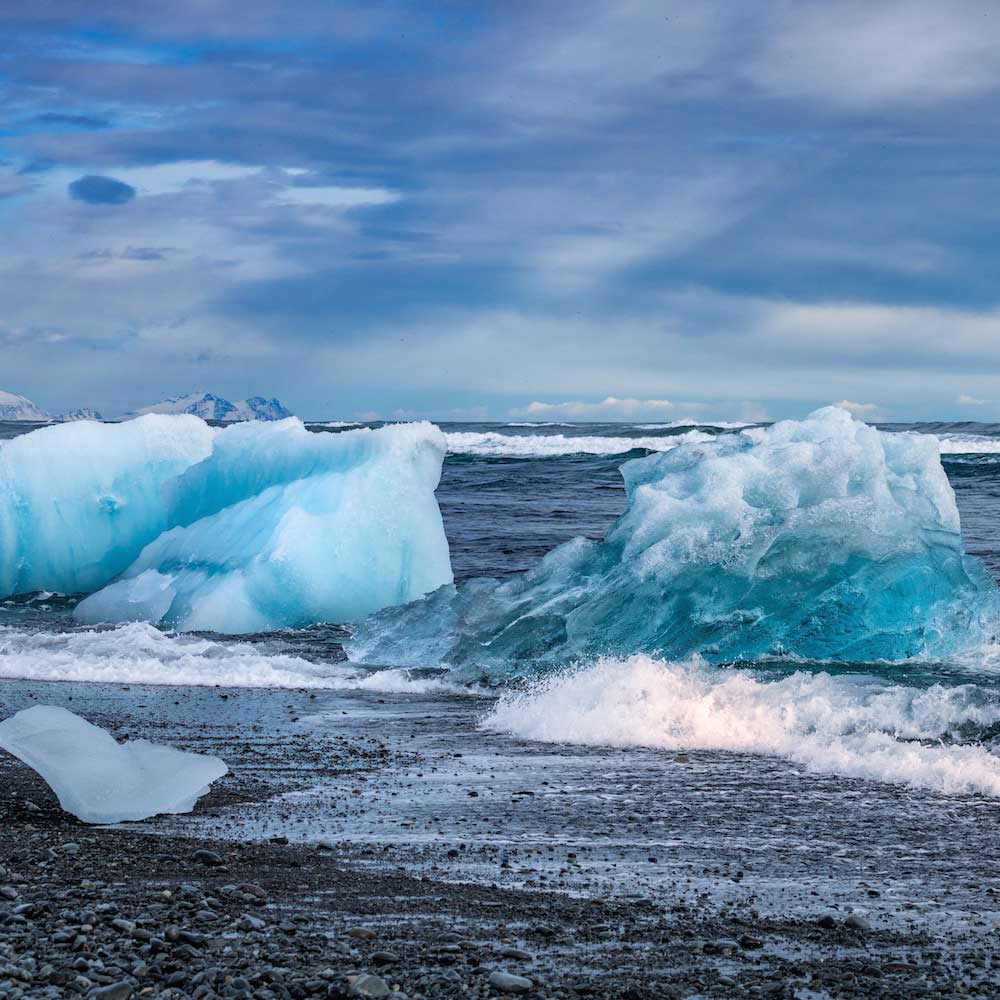
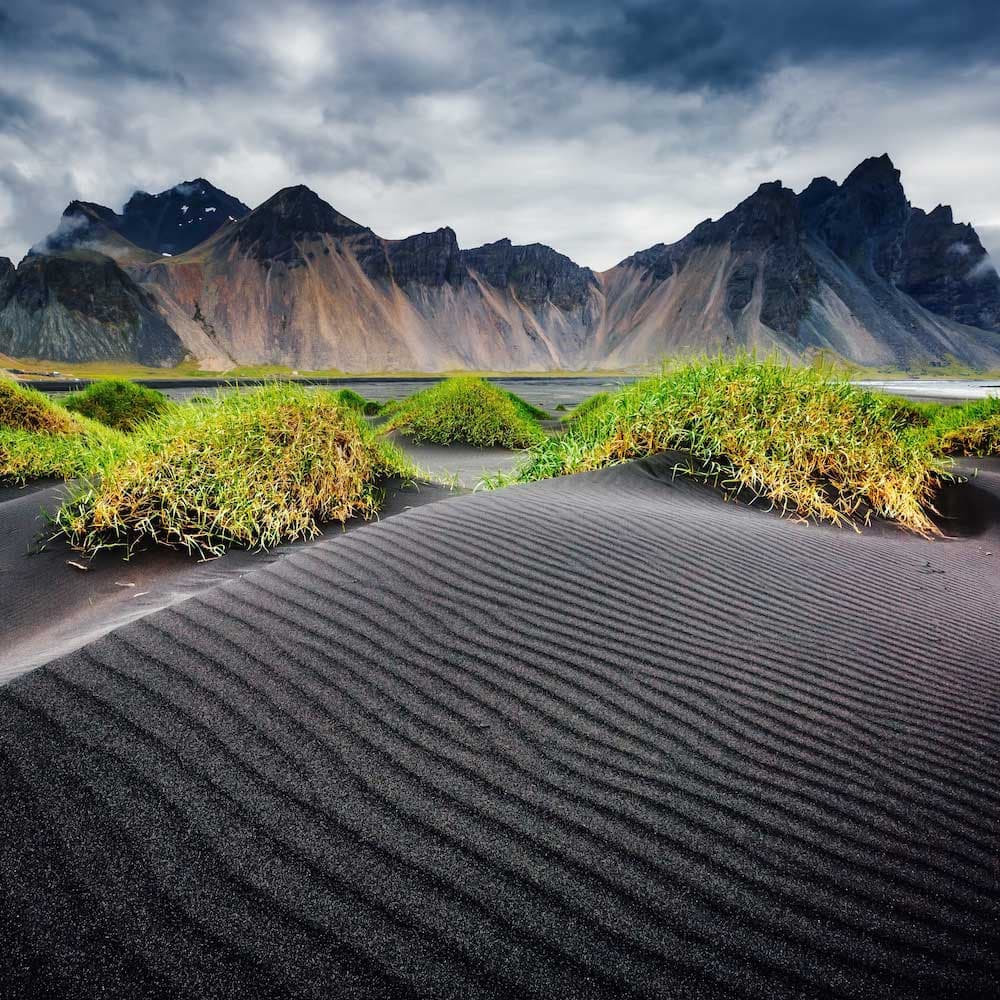
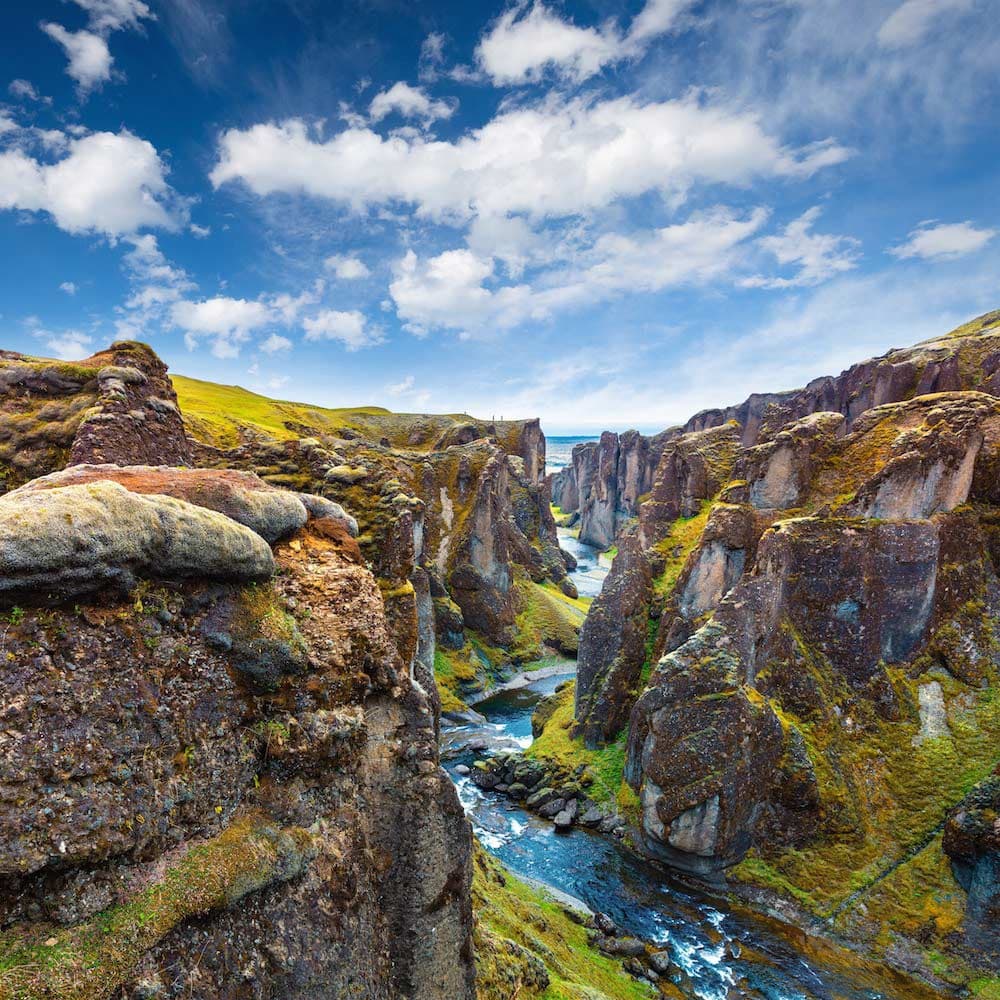
In the spring, Vatnajökull begins to shake off winter’s chill, revealing a landscape transitioning into life. Glacial rivers start to flow more freely, creating spectacular waterfalls as the ice melts. The stark contrasts of ice and thawing earth provide photographers with striking scenery. Hiking trails become increasingly accessible, letting visitors explore the surrounding national park. You'll encounter diverse birdlife returning to the region and perhaps catch the first wildflowers pushing through the ground.
Summer unveils Vatnajökull’s most accessible side, with long daylight hours offering plenty of time for exploration. The ice caves, often hidden or dangerous during other seasons, are now open for guided tours. Glacier hikes, ice climbing, and boat trips on the glacier lagoons are popular activities. The weather is mild, and the midnight sun casts a soft glow over the glacier, giving adventurers stunning photo opportunities.
Autumn brings a quieter charm to Vatnajökull as summer crowds dissipate. The vibrant autumn foliage surrounds the glacier, and shorter days hint at winter’s approach. It's an excellent time for photographers, with golden-hued landscapes and the aurora borealis beginning to dance in the night sky. Activities like glacier hikes and ice cave tours continue, but with a more tranquil, uncrowded atmosphere.
In winter, Vatnajökull transforms into a glistening ice kingdom. The glacier caves are at their most stable and accessible, and guided tours offer a chance to explore their blue depths safely. Snowmobiling and ice climbing offer thrills on the glacier's surface, while the Northern Lights often illuminate the skies. Winter hiking offers stark, beautiful vistas of the glacier, but it requires caution and local guidance. The icy wonderland becomes a spectacle that attracts adventurers and nature lovers alike.