As spring unfolds in Jökulsárlón, the landscape wakes up from its long winter slumber. While the icy blue glaciers remain dominant, their edges start to melt, creating more vivid contrasts between the frozen and the liquid. Seals often appear in the lagoon, basking on the ice floes as migratory birds, like Arctic terns, return to nest. Although temperatures remain cool, the increased daylight and quieter atmosphere offer a serene experience before the summer rush.
Summer brings the midnight sun, stretching daylight to nearly 24 hours and providing ample time for exploration. The lagoon fills with icebergs calved from the Vatnajökull Glacier, glowing in various shades of blue and white. Boat tours weave through these ice giants, offering close-up views of the seals and glacial ice. The warmer temperatures make for pleasant walks along the shore, while nearby Diamond Beach glistens with ice shards that have washed ashore.
Autumn’s arrival brings a golden touch to the Icelandic landscape. The lagoon remains filled with icebergs, but the twilight hours now cast them in warm hues as the sun dips lower. The cooler temperatures and earlier sunsets mark the beginning of Northern Lights season, giving visitors the possibility of seeing the auroras dance over the lagoon. Birds begin migrating away, but seals are still a common sight.
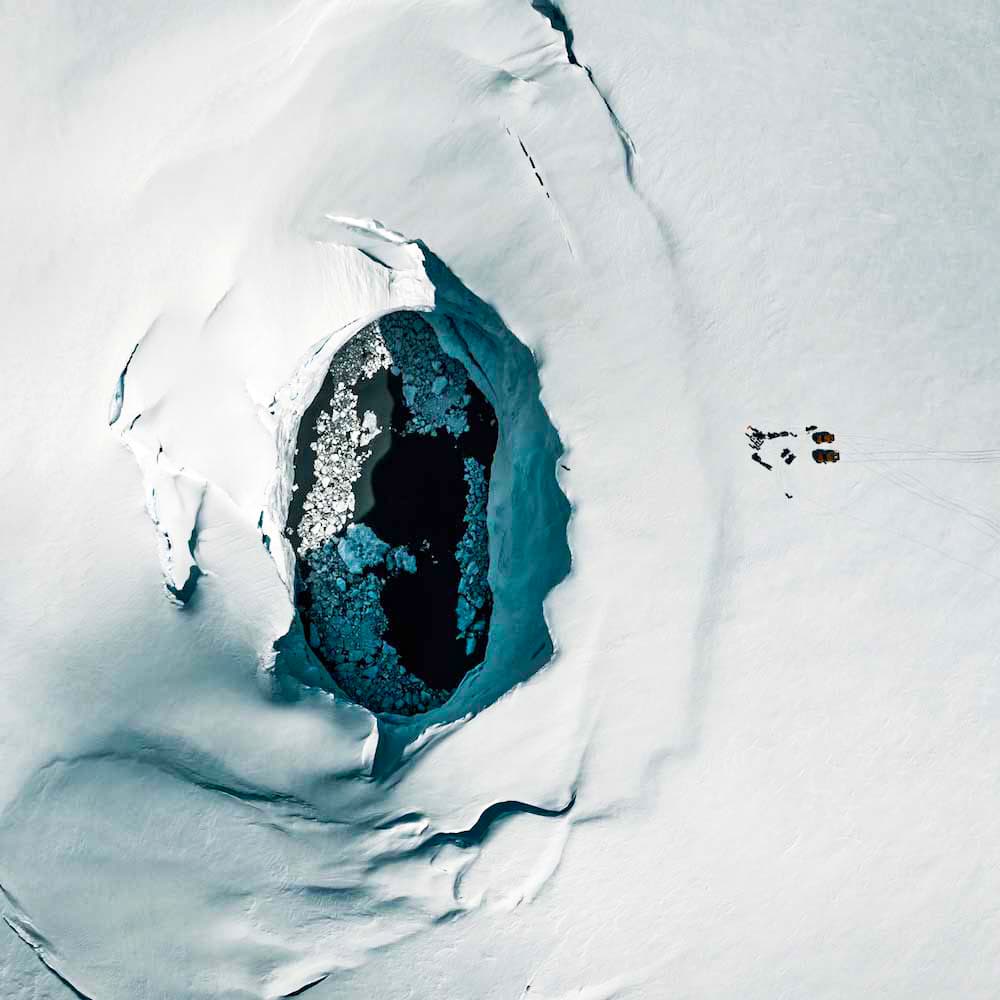
Winter at Jökulsárlón is a dramatic spectacle. Ice caves within the nearby glaciers become accessible and reveal stunning ice formations, often tinted blue due to light refraction. The lagoon itself remains packed with floating ice, and the surrounding snow-covered landscape creates a stark, ethereal beauty. The shorter days are perfect for viewing the Northern Lights, which reflect off the icebergs, adding another layer of magic to this already otherworldly scene.