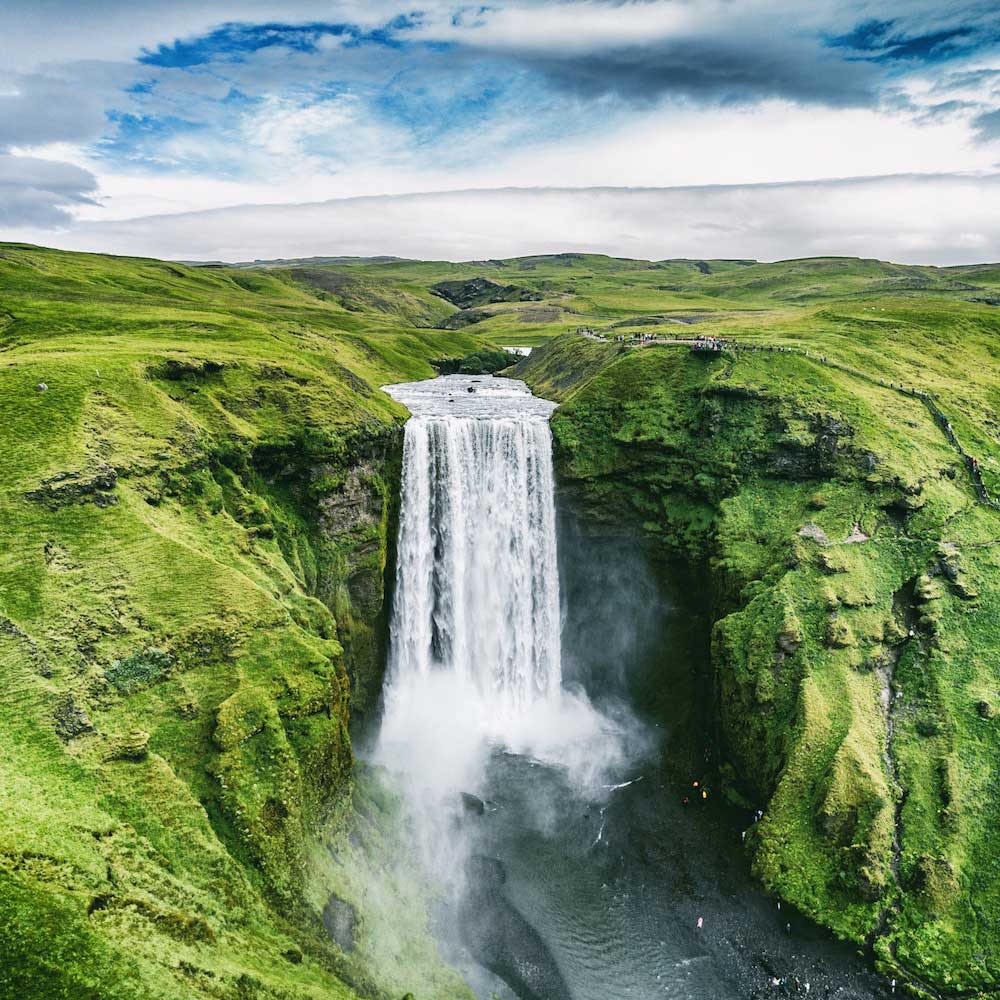
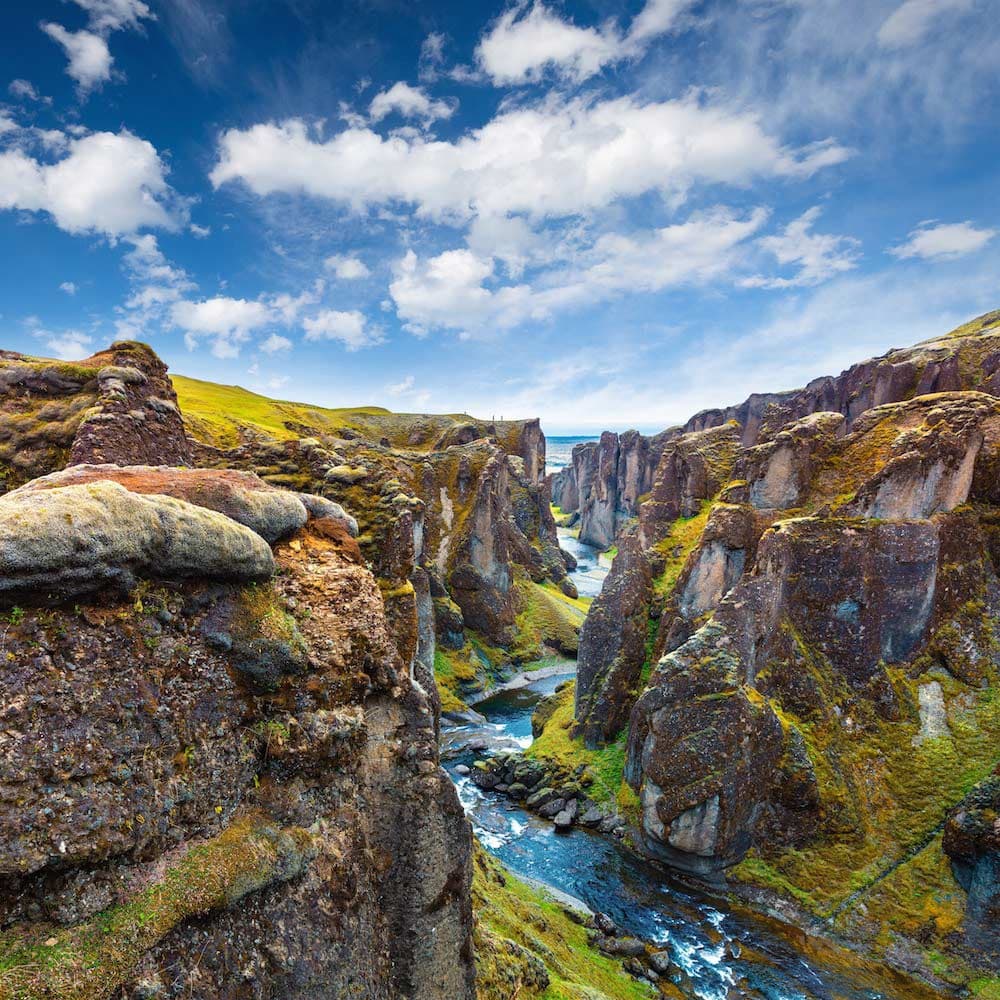
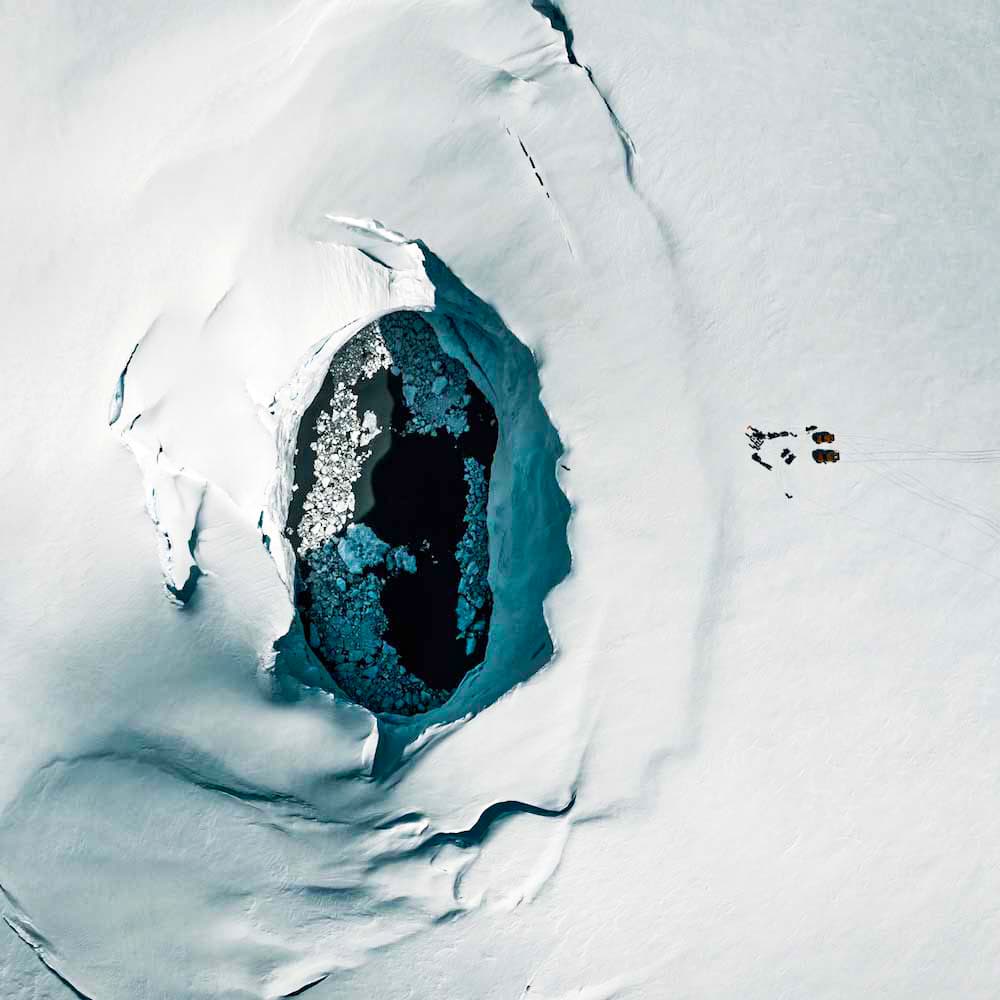
As the Icelandic landscape shakes off the frosty grip of winter, Reynisfjall in spring presents a dramatic backdrop with melting snow patches and burgeoning greenery. This is an excellent time for photographers and nature enthusiasts aiming to capture the stark contrast of dark volcanic rock against the vibrant mosses and budding flowers. Birdwatchers will also relish this season, as migratory birds return and puffins begin to nest on the cliffs. Although temperatures are still crisp, the increasing daylight hours provide ample opportunity for hiking and sightseeing.
Summer at Reynisfjall boasts the Midnight Sun, offering extended daylight that stretches into the early hours of the morning. This period is ideal for exploring the famed black sand beaches of Reynisfjara without the rush, allowing visitors to enjoy the natural spectacles at a leisurely pace. The temperate weather and accessible trails invite more extensive hikes up the mountain. Visitors should be prepared for the occasional fog and swift changes in weather, which can add a mystical element to the rugged landscape.
Autumn brings a fiery palette of reds, oranges, and yellows to the vegetation around Reynisfjall, creating a striking contrast with the mountain’s dark basalt columns and the deep blue of the Atlantic. This season sees fewer tourists, offering a more solitary experience with nature. It’s a perfect time for those looking to enjoy the natural world in peace, from the thundering waves at the beach to the windswept heights of the cliffs. As the nights grow longer, there’s also the increasing chance of witnessing the Northern Lights, a spectacular sight not to be missed.
Winter transforms Reynisfjall into a snowy wonderland, shrouded often in white and frequently visited by the howling winds of the Atlantic. The stark black of the beach covered partially in snow offers a unique visual experience, and the mountain itself becomes a challenging terrain for seasoned hikers. Days are short and the sun is a rare visitor, but the clear nights make it an excellent time for stargazing and enjoying the Aurora Borealis. Visitors during this season should be well-prepared for cold temperatures and variable weather conditions.