As the grip of winter loosens, Flanders' Western Front begins to bloom with a poignant beauty. Springtime brings a gentle warmth that coaxes the lush landscapes back to life, revealing fields dotted with vibrant wildflowers. It's a season of rebirth and remembrance, making it a perfect time to visit the numerous memorials and cemeteries that stand in quiet testimony to the past. The clearer skies and milder weather provide ideal conditions for walking tours along the historic trenches and battlefields, now blanketed in green. With the Easter holidays, various commemorative events and ceremonies offer a deeper connection to the history of the region.
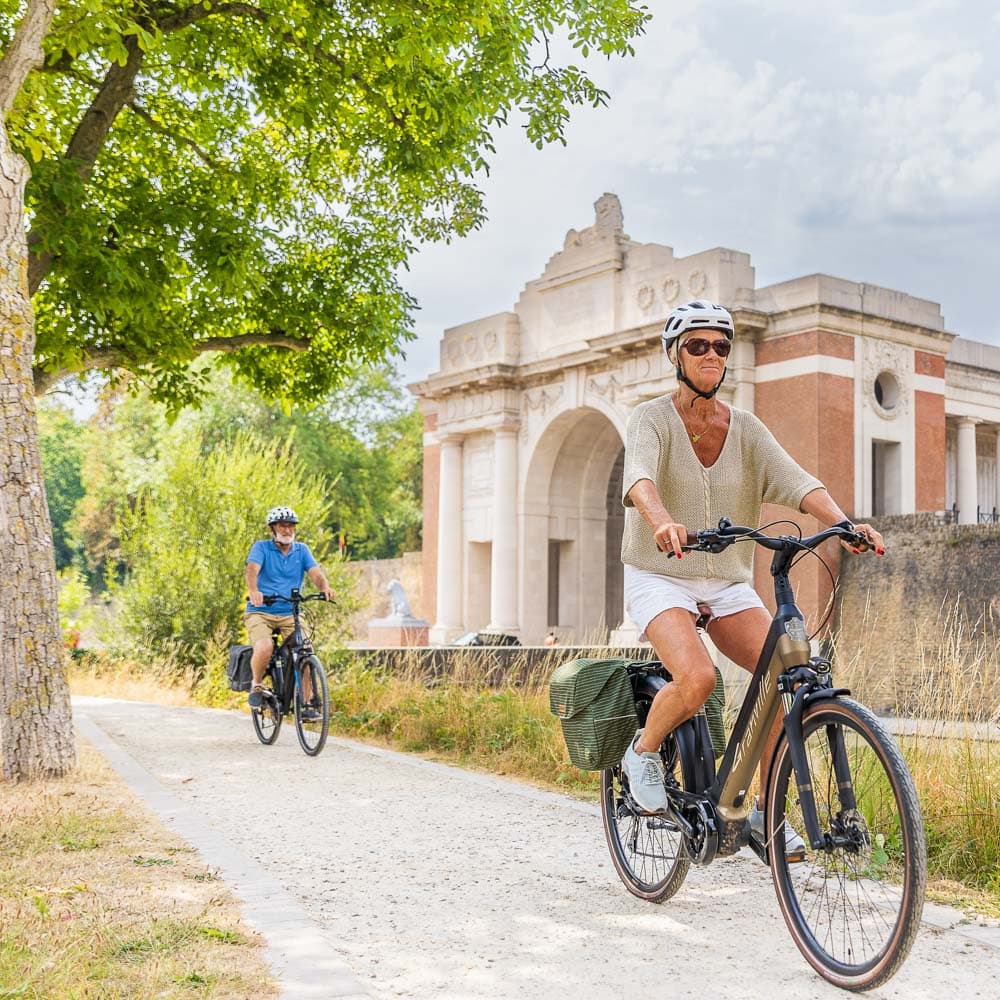
Summer at the Western Front in Flanders is a time of long, luminous days and a full bloom of natural beauty, offering an inviting backdrop for exploring the historic sites. The warmth of the season brings an array of festivals and events, from local cultural celebrations to international remembrance gatherings that attract visitors from across the globe. The Ypres Salient battlefields, under the summer sun, become a stark reminder of the past, standing in contrast to the peaceful, thriving landscapes. It's an excellent time for guided tours, museum visits, and participating in the nightly Last Post ceremony at the Menin Gate, a moving tribute to those who fell during the Great War.
Autumn cloaks the Western Front in Flanders with a rich palette of colors, from the golden hues of falling leaves to the softened light casting serene shadows over the memorials. This season offers a reflective time for visitors, with the cooler temperatures and fewer crowds making it ideal for exploring the region's poignant history at a more leisurely pace. The autumnal equinox also brings special ceremonies and events that mark significant anniversaries related to the First World War, providing insightful contexts and stories from local guides and historians. The changing scenery is especially striking, offering photographers and nature lovers a stunning backdrop against the solemn historical sites.
Winter transforms the Western Front in Flanders into a solemn, introspective landscape. The bare trees and frost-kissed fields underscore the stark reality of the war's scars on the land. While the cold can be biting, it also means fewer tourists, offering a more personal and reflective visit to the sites where history was made. The Christmas Truce memorials and events around this time bring a unique sense of peace and reconciliation to the area. Additionally, the winter season highlights the resilience of the monuments and museums, which remain open to those willing to brave the colder weather, providing a quieter but equally profound experience of remembrance.