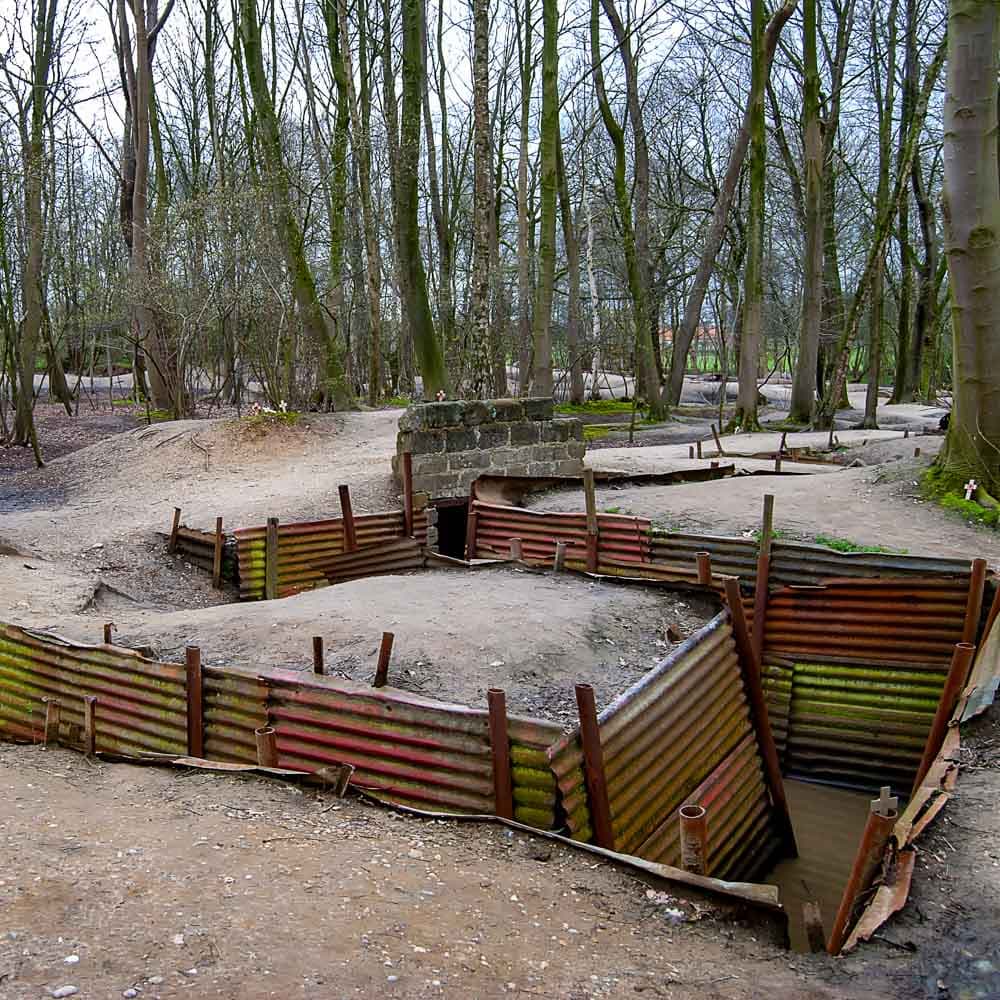
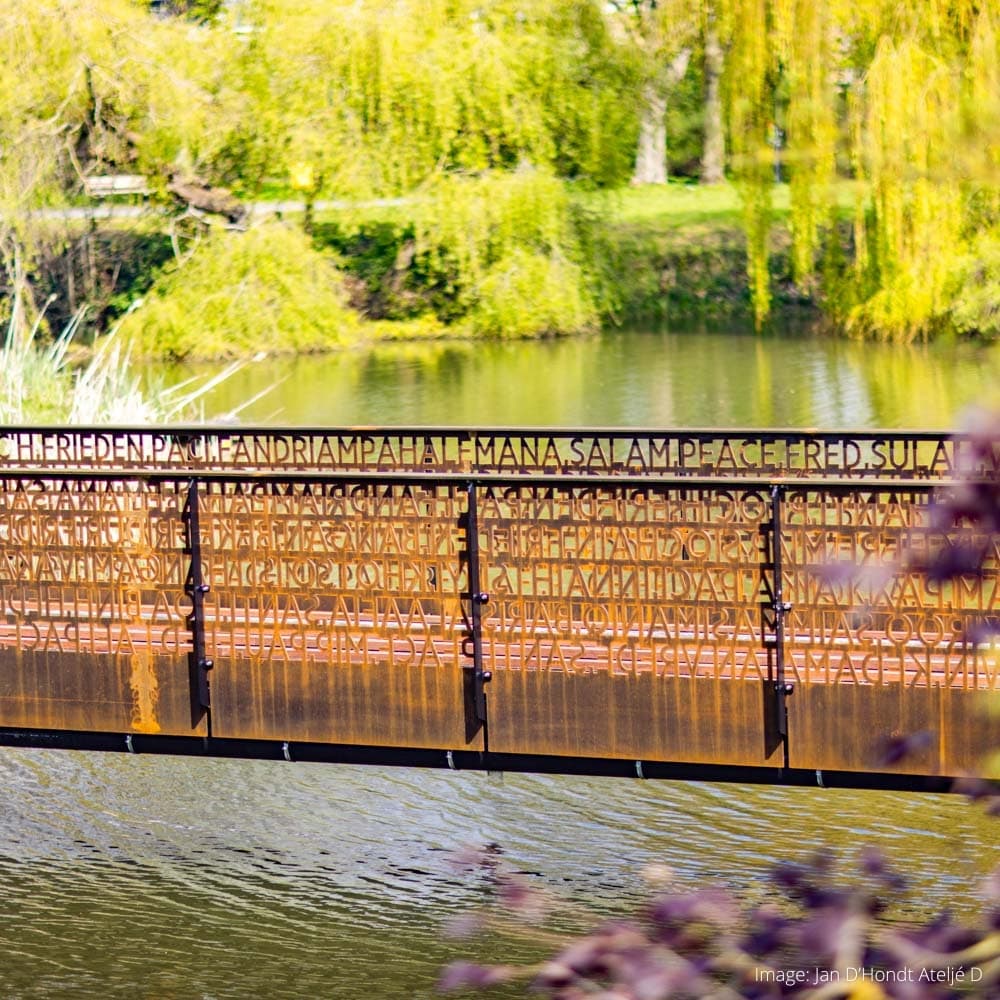
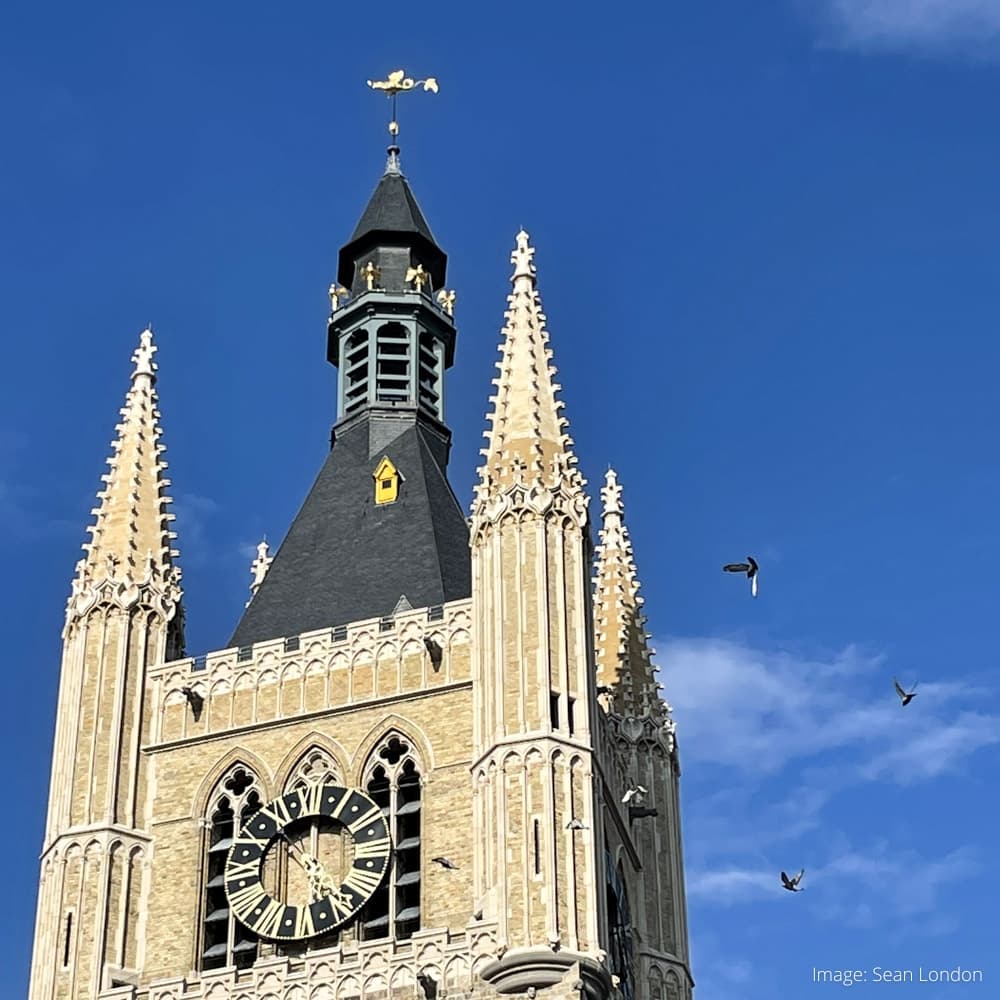
Spring brings a refreshing burst of life along the Western Front in Flanders, making it an ideal time for cycling enthusiasts to explore. As the weather warms up, the region is adorned with blooming flowers and lush greenery, creating picturesque landscapes. Spring also marks the beginning of the remembrance period for World War I, offering visitors a poignant opportunity to reflect on history amidst nature's renewal. The mild temperatures and longer days provide perfect cycling conditions to traverse the extensive network of paths and visit memorials and museums at a leisurely pace.
Summer offers the warmest and most vibrant time to cycle along the Western Front in Flanders. The landscape is in full bloom, and the sunny skies make for longer days, allowing travelers to cover more ground and enjoy the plethora of WWI historical sites and beautiful Belgian countryside. Summer festivals and events in the region add a lively cultural dimension to the journey. However, cyclists should be prepared for the possibility of higher temperatures and busier paths, as this season attracts the most visitors.
Autumn transforms the Western Front into a palette of fiery colors, with cooler temperatures and fewer crowds making it a favorite among many cyclists. This season is particularly moving for those interested in WWI history, as it coincides with Armistice Day commemorations. Riding through the historic battlefields and cemeteries surrounded by the golden hues of autumn leaves provides a reflective and serene experience. The mild weather and reduced tourist traffic create an ideal setting for those seeking a more contemplative journey.
Winter offers a starkly different and solemn beauty along the Western Front in Flanders. The bare trees and frost-covered fields highlight the somber history of the area, offering a unique perspective on the landscapes that bore witness to WWI. Cycling during this season requires preparation for colder temperatures and shorter days, but the sense of peace and solitude makes it a profound time for reflection. Winter also means fewer tourists, providing a more intimate experience with the historical sites and memorials that dot the region.