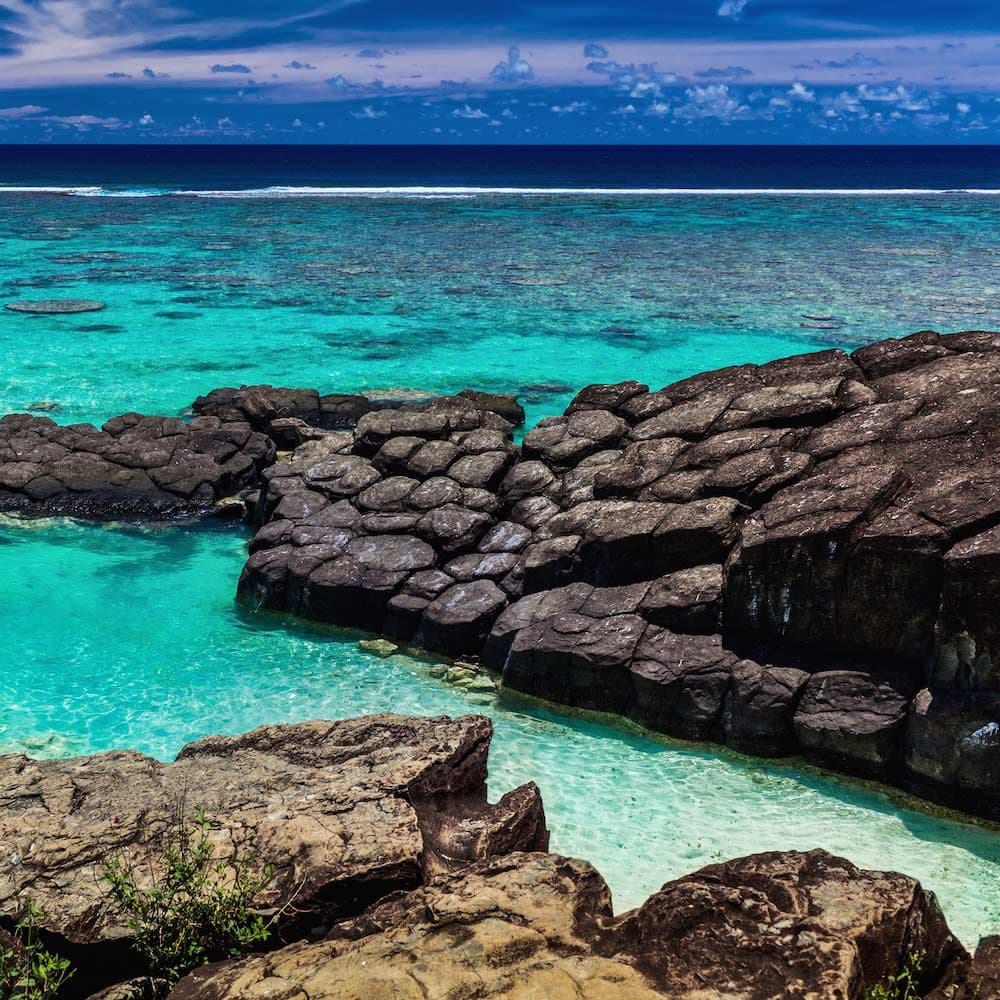
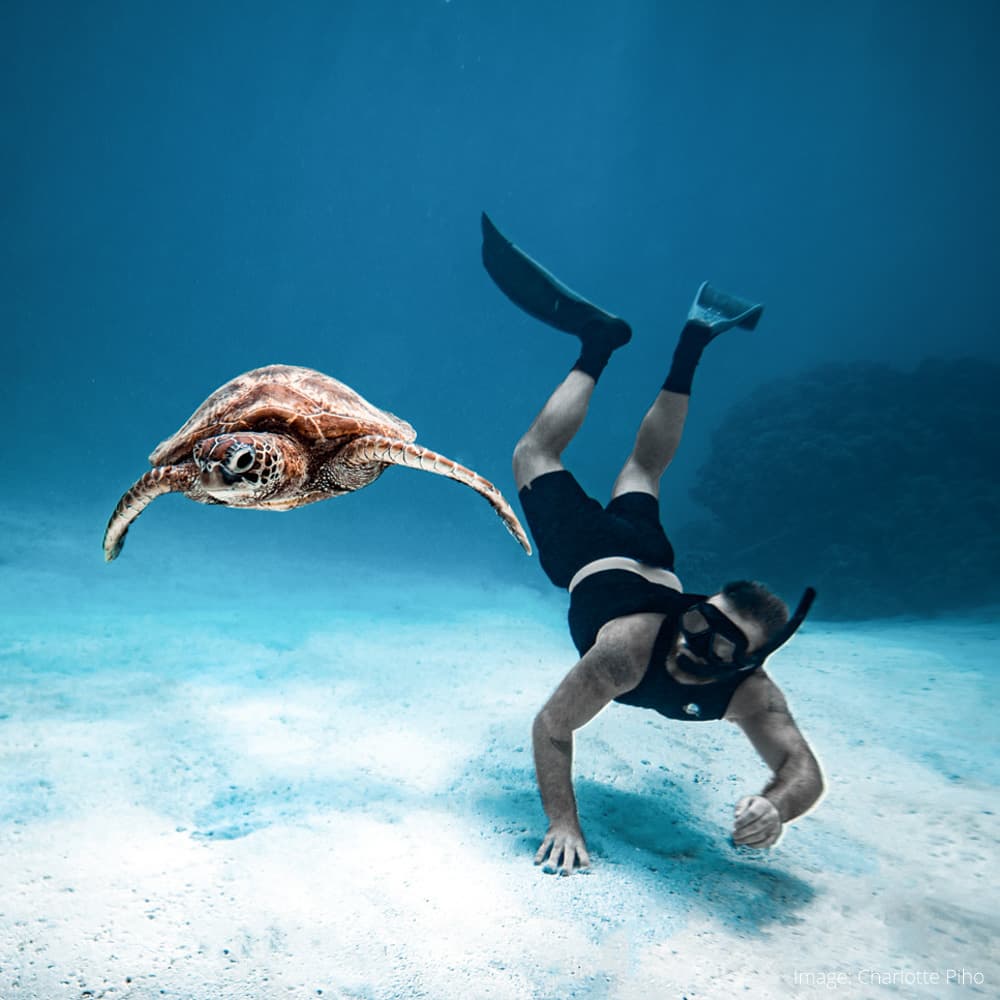
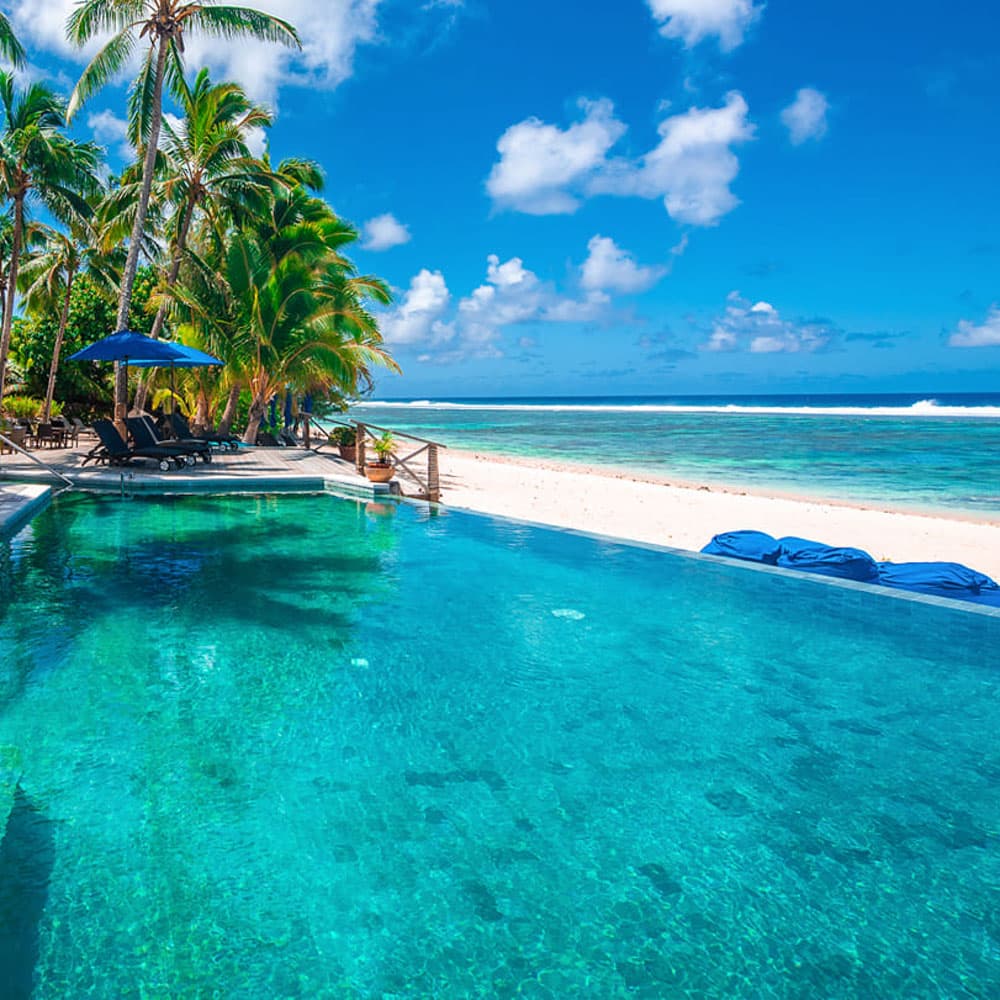
Spring in Rarotonga ushers in a refreshingly warm climate, ideal for exploring the island's lush landscapes. This season is a fantastic time for snorkeling and diving as the water begins to warm up, offering clearer visibility to witness the vibrant marine life in the coral reefs. The island slowly awakens with vibrant flora blooming, painting the scenery with a palette of bright colors. Events and cultural festivals start to pick up, providing travelers with an authentic glimpse into the rich heritage and community spirit of the Cook Islands.
Summer brings the peak of warmth and a bustling vibe to Rarotonga, perfect for beach enthusiasts and sun-seekers. The temperatures are higher, making for ideal conditions to bask on the island's white sandy beaches or take part in water sports such as kayaking, paddle boarding, and sailing. While occasional tropical showers are common, they are usually short-lived and followed by sunshine, ensuring that your exploration and relaxation plans remain uninterrupted. It's also a time when the island's fruits are at their juiciest, offering a delicious taste of local produce.
As autumn arrives, the island enjoys a mild, comfortable climate, making it a preferred time for those who wish to avoid the summer's heat and the peak tourist season. It's an excellent period for hiking and island tours, as the cooler temperatures allow for more extended outdoor adventures without the discomfort of excessive heat. The sea remains warm, inviting swimmers and snorkelers to continue enjoying its embrace. The pace of island life slows, allowing visitors to immerse themselves more deeply in the tranquil beauty and serene atmosphere of Rarotonga.
Winter in Rarotonga is far from the cold and bleak season experienced in more temperate climates. Instead, it offers a cooler, drier alternative to the island's typically humid conditions, with temperatures that are still warm enough to enjoy all forms of outdoor activities. This season is particularly appealing for those interested in whale watching, as humpback whales migrate to the warmer waters surrounding the Cook Islands for breeding. The reduced humidity and cooler evenings make it an ideal time for cultural exploration, star gazing, and participating in local night markets, offering a cozy yet adventurous travel experience.