Vacaay
1 / 4

Civil Rights Trail

About Civil Rights Trail

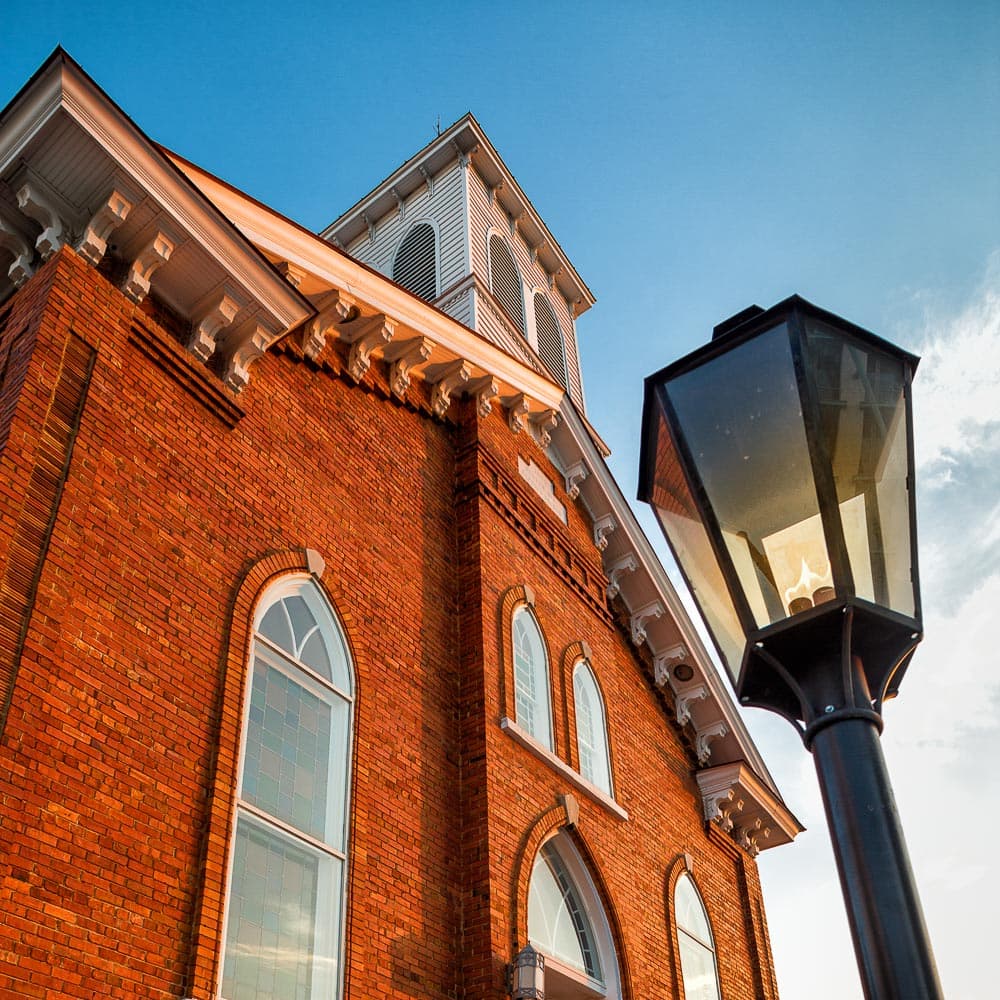
The tragedies and triumphs that took place in Alabama during the 1950s and 1960s awakened an entire nation to the reality of racial injustice and hatred that affected African-Americans all over the country. Now, you can experience the legacy of those who changed history through the U.S. Civil Rights Movement. Walk in the footsteps of civil rights legends such as Rosa Parks and Dr. Martin Luther King Jr. Imagine the scene of Bloody Sunday and the victory of the Selma-to-Montgomery March as you cross the Edmund Pettus Bridge. Salute the bravery of the first African-American military aviators at Tuskegee Airmen National Historic Site. Pay your respects at the site of the 16th Street Baptist Church bombing. And above all, grow in empathy and understanding as you explore the museums and historic sites that commemorate those who changed history.

When to visit

The best time to visit the Civil Rights Trail in Alabama is during spring, when the weather is mild and the historical sites are most accessible.

Most popular: March - April

Spring · Mar, Apr, May

As the landscape of Alabama bursts into bloom, spring is a time of renewal and reflection on the Civil Rights Trail. This season provides a comfortable climate for exploring the significant sites in cities like Birmingham, Montgomery, and Selma. The mild weather is ideal for walking tours, allowing visitors to comfortably visit landmarks such as the Edmund Pettus Bridge and the Birmingham Civil Rights Institute. Spring also hosts various events and remembrances, offering a deeper connection to the history and legacy of the civil rights movement.

Summer · Jun, Jul, Aug

Summer on the Civil Rights Trail in Alabama is a vibrant and poignant time to visit. The warmer temperatures bring an energetic atmosphere to the historical sites. It's a great season for attending outdoor commemorative events and festivals that celebrate the achievements of the civil rights era. However, visitors should be prepared for the southern heat and occasional rain. The extended daylight hours provide more time for exploration, from the Rosa Parks Museum in Montgomery to the Civil Rights Memorial.

Autumn · Sep, Oct, Nov

Autumn brings a cooler and more contemplative atmosphere to the Civil Rights Trail. The changing leaves provide a beautiful backdrop to the historical sites. This season is particularly suitable for those who prefer a quieter, more introspective visit. The cooler weather is ideal for walking through historical districts and visiting outdoor monuments like the Kelly Ingram Park in Birmingham. Educational programs and discussions are often held during this season, offering insightful perspectives on the civil rights legacy.

Winter · Dec, Jan, Feb

Winter on the Civil Rights Trail is a time of peaceful introspection. The cooler and quieter season allows for more personal experiences at the various sites. It's a unique time to visit indoor museums and centers, like the Dexter Avenue King Memorial Baptist Church, without the larger crowds of other seasons. While the temperatures are cooler, Alabama's winters are generally mild, making it still comfortable for visitors to explore outdoor sites and participate in Martin Luther King Jr. Day events in January.

Weather Highlights

  • Summer high

    32°C / 90°F

  • Winter low

    2°C / 36°F

  • Rain

    125 days

  • Snow

    1 days

Location

Getting There

The Alabama Civil Rights Trail is located throughout cities and destinations in Alabama. The heart of the trail is located in the center of Alabama between Montgomery and Birmingham including Selma and Tuskegee.


You may also like

America the Beautiful — plan your trip with Booking.com
Advertisement
Advertisement

Book securely throughBooking.com

View Rates