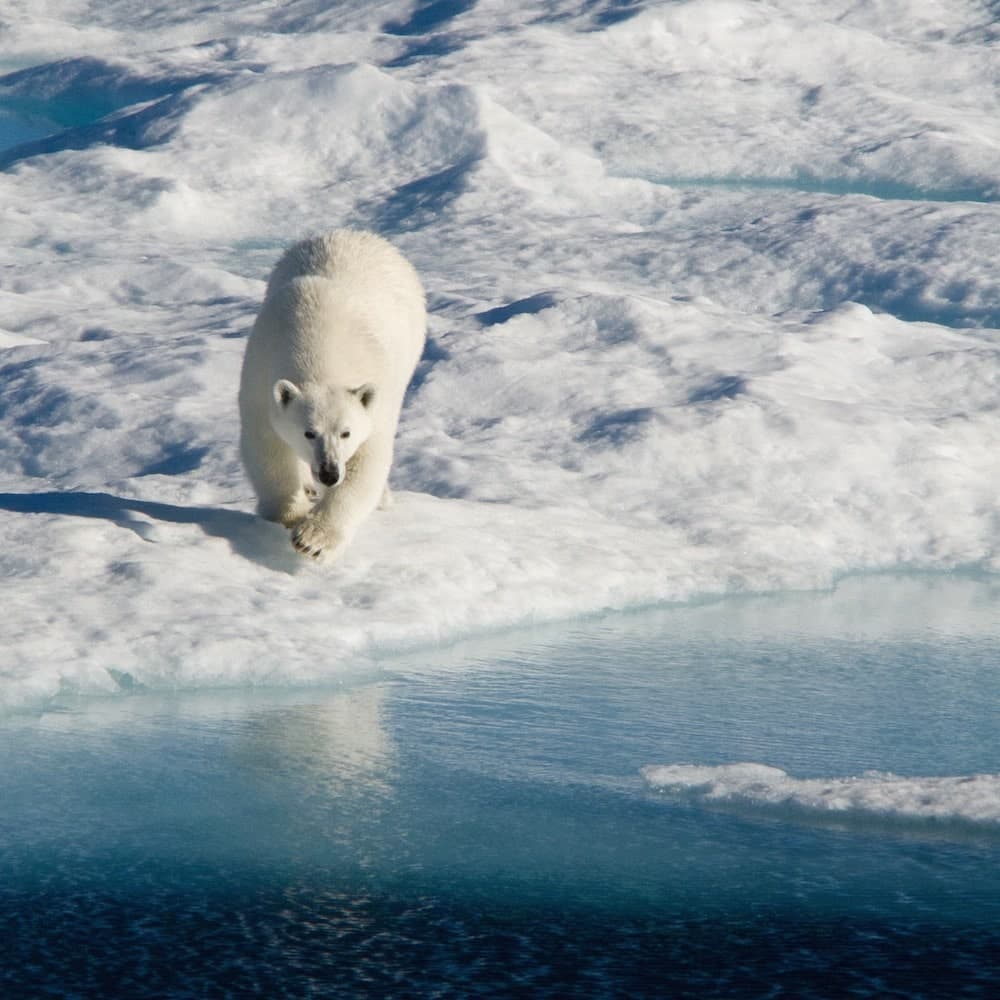
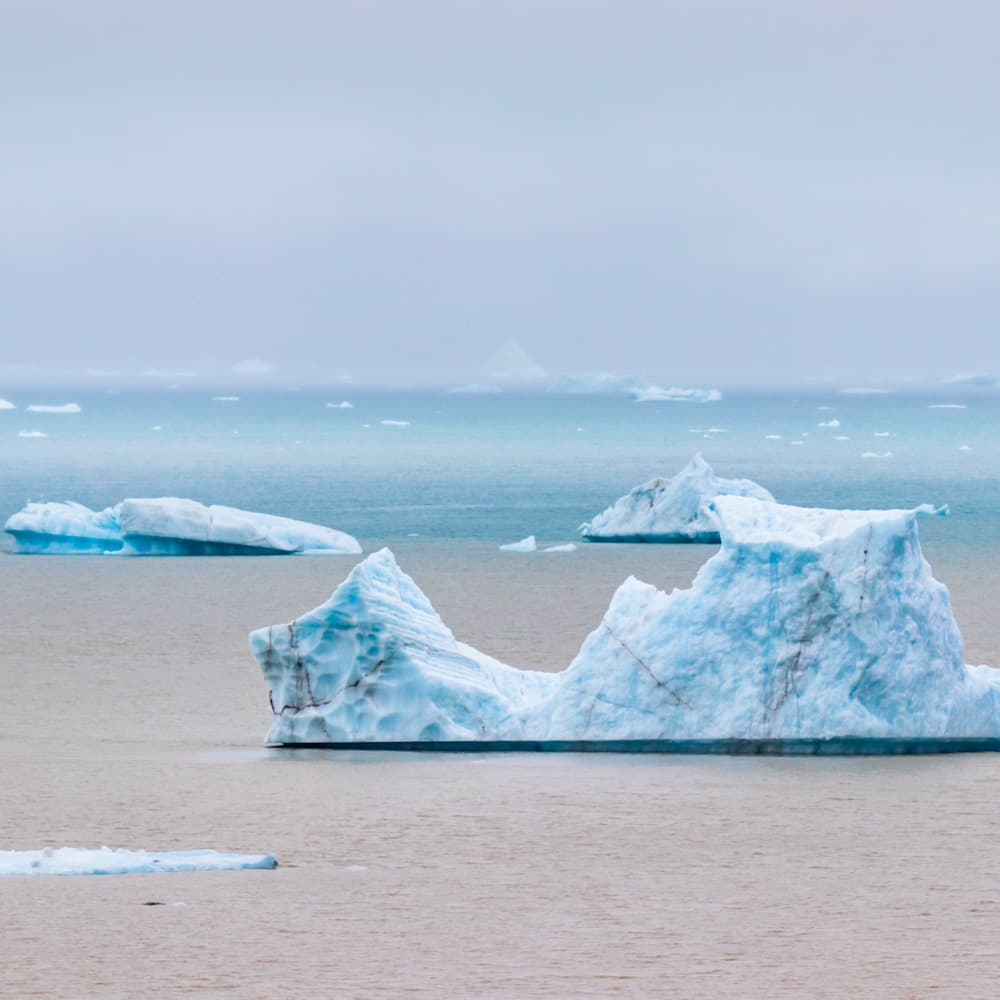
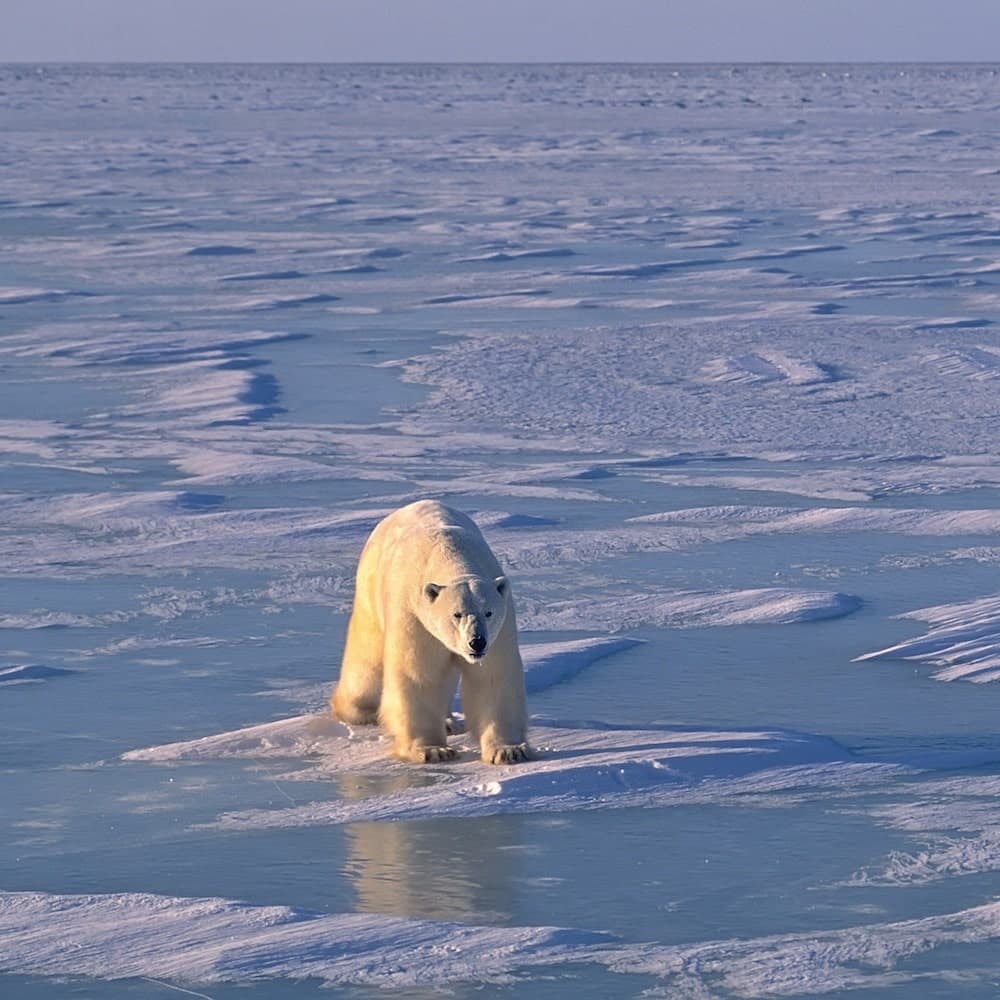
Spring in Qikiqtarjuaq signals a gradual shift from the harsh Arctic winter to milder conditions. This is the period when ice starts to break up, offering unique opportunities for iceberg viewing. Spring is also ideal for dog sledding and witnessing the return of wildlife, such as polar bears and seals, as they become more active in search of food. The extended daylight hours begin to hint at the approaching summer, making outdoor activities more accessible.
Summer is characterized by the phenomenon of the Midnight Sun, providing continuous daylight and enabling visitors to explore the natural landscapes without the constraint of nightfall. Hiking through Auyuittuq National Park becomes a popular activity, with the chance to see glaciers and fjords up close. The open waters also allow for kayaking and boat trips, offering views of icebergs and marine life in their natural environment.
Autumn is a transitional period where the first glimpses of the Northern Lights can be seen in the increasingly dark nights. It's a quieter time for visitors, offering a more intimate experience of the region's natural beauty. Autumn is also when local wildlife prepares for the winter, and there are opportunities for cultural experiences, such as learning about Inuit hunting practices.
Winter transforms Qikiqtarjuaq into a snowy landscape, ideal for experiencing traditional Arctic activities like snowmobiling and ice fishing. The long nights are brightened by the aurora borealis, offering a spectacular display of colors in the sky. Despite the cold, winter is a great time to engage with the community and experience local festivals that celebrate Inuit culture and traditions.