
Romania
Transylvania, The Carpathian Mountains, Medieval Citadels, Painted Monasteries, Danube Delta, Village Life, Brown Bears, Spa Towns
Romania is one of Europe's largest and least crowded countries, shaped by the great arc of the Carpathian Mountains. Around half of the Carpathian range lies within its borders, sheltering old-growth forests, alpine meadows and one of Europe's largest populations of brown bears, wolves and lynx.
Inside that arc lies Transylvania, a region of medieval walled towns founded by Saxon settlers. Brașov sits beneath forested peaks, Sibiu's squares are watched over by houses with eye-shaped roof windows, and Sighișoara's hilltop citadel is a UNESCO World Heritage Site. Nearby are Bran Castle, forever linked with the Dracula legend, and the fortified churches of the Saxon villages.
Further north, Maramureș is known for its tall wooden churches and village traditions that still follow the farming year, while Bucovina's 15th- and 16th-century monasteries are painted inside and out with vivid frescoes. In the east, the Danube ends its journey in the Danube Delta, a vast wetland of channels, reed beds and lakes that is a paradise for birdwatchers.
Bucharest, the capital, mixes Belle Époque boulevards with the enormous Palace of the Parliament and a lively old town, while Timișoara and Cluj-Napoca are confident, creative cities. Across the country, spa towns, wine regions and rural guesthouses offer a slower pace and authentic hospitality.
Best Time to Visit Romania
May to June and September to October bring mild weather for city breaks, hiking and the Danube Delta, with spring the best season for birdlife. July and August suit high mountain routes such as the Transfăgărășan road. Winter brings skiing at Poiana Brașov and Christmas markets in Transylvania's towns.
Top Reasons to Visit Romania
1. Transylvania's Medieval Towns
Explore the cobbled squares of Brașov, Sibiu and Sighișoara, three of Europe's best-preserved medieval towns. Sighișoara's historic centre is a UNESCO World Heritage Site, as are several of the region's fortified Saxon churches.
2. Castles and Legends
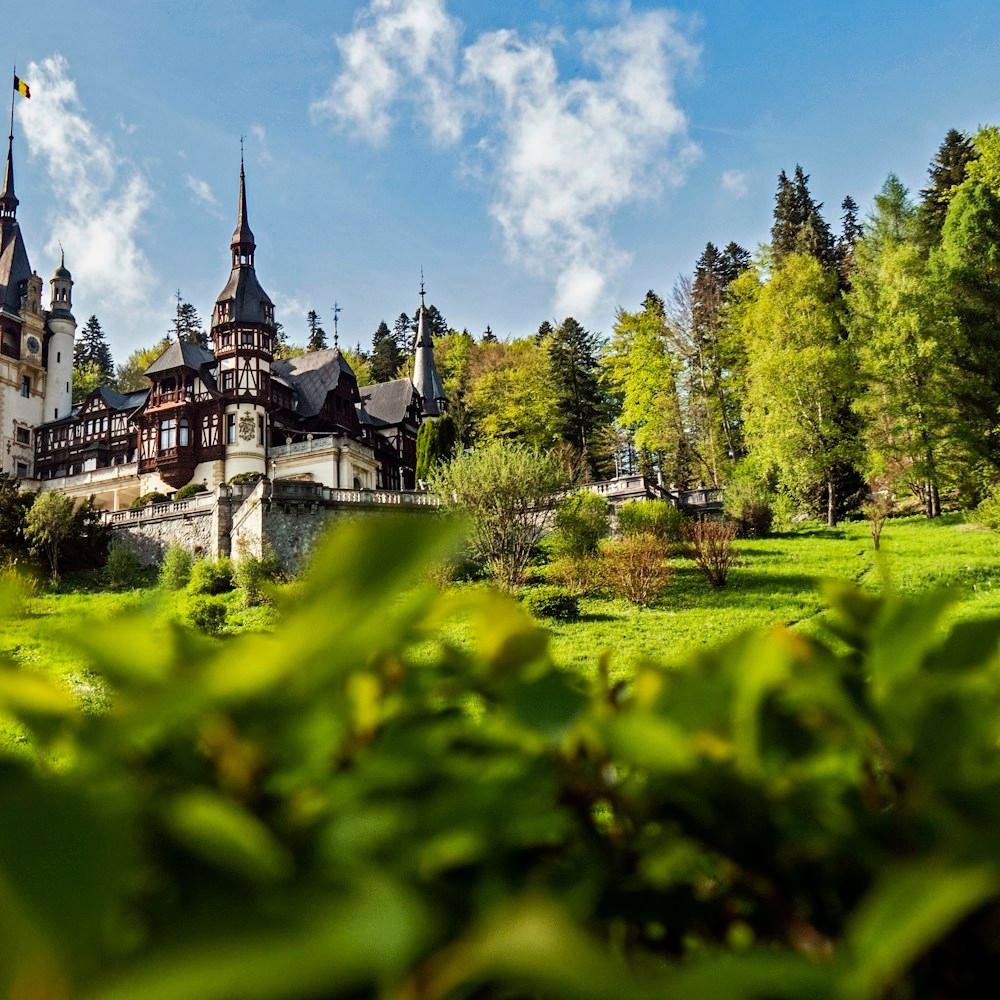
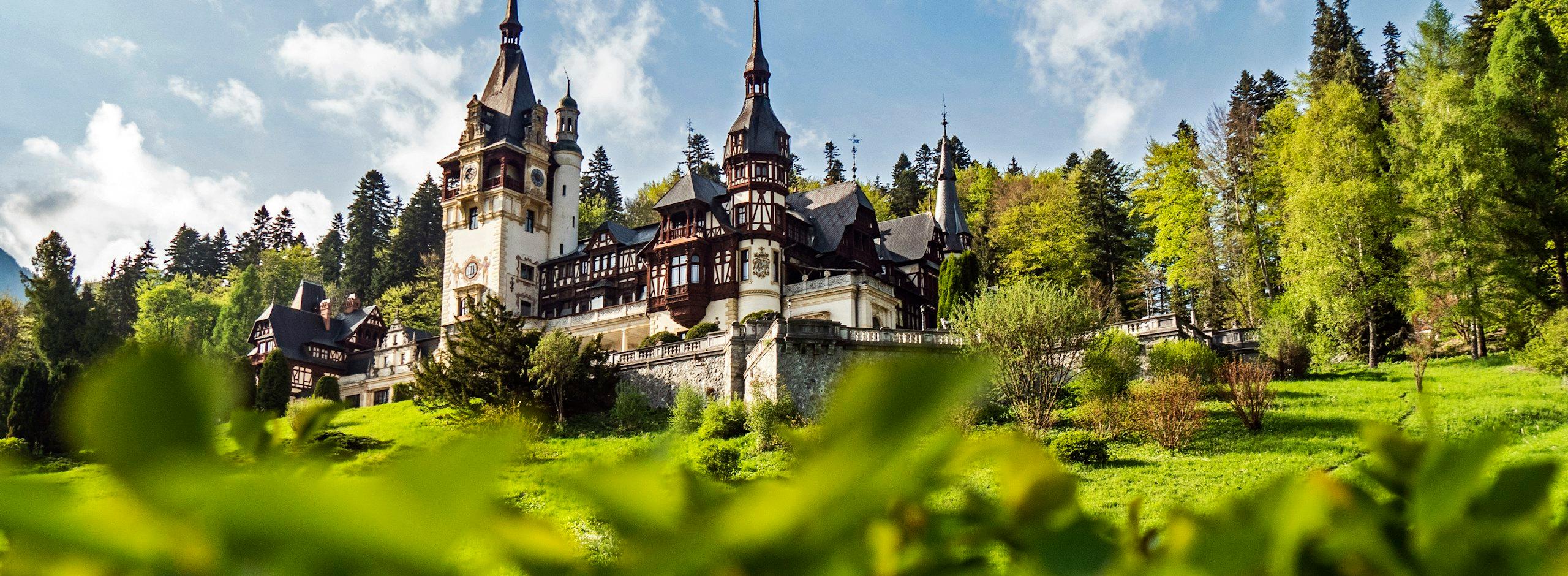
Bran Castle draws visitors with its Dracula associations, while Peleș Castle in Sinaia is a lavish 19th-century royal palace set in the mountains. Corvin Castle in Hunedoara is one of the largest Gothic castles in Europe.
3. Wild Carpathian Nature
Hike through national parks such as Piatra Craiului and Retezat, watch for bears from guided hides and drive the Transfăgărășan, a high mountain road that climbs through the Făgăraș Mountains.
4. Painted Monasteries and Wooden Churches
In Bucovina, monasteries such as Voroneț are covered in centuries-old frescoes. In Maramureș, timber churches with soaring spires stand at the heart of villages where traditional crafts and costumes are still part of daily life.
5. The Danube Delta
Where the Danube meets the Black Sea, the delta forms one of Europe's largest wetlands and a UNESCO Biosphere Reserve. Explore by boat from Tulcea to see pelicans, herons and fishing villages reached only by water.
6. Village Life and Local Food
Stay in a rural guesthouse to taste home cooking such as sarmale, mămăligă and fresh cheeses, along with local wines and plum brandy. Romania's villages are some of the most authentic places in Europe to experience traditional rural life.