
Armenia
Ancient Monasteries, Early Christian Heritage, Armenian Wine, Lake Sevan, Mount Ararat Views, Hiking, Armenian Cuisine, Yerevan Cafe Culture
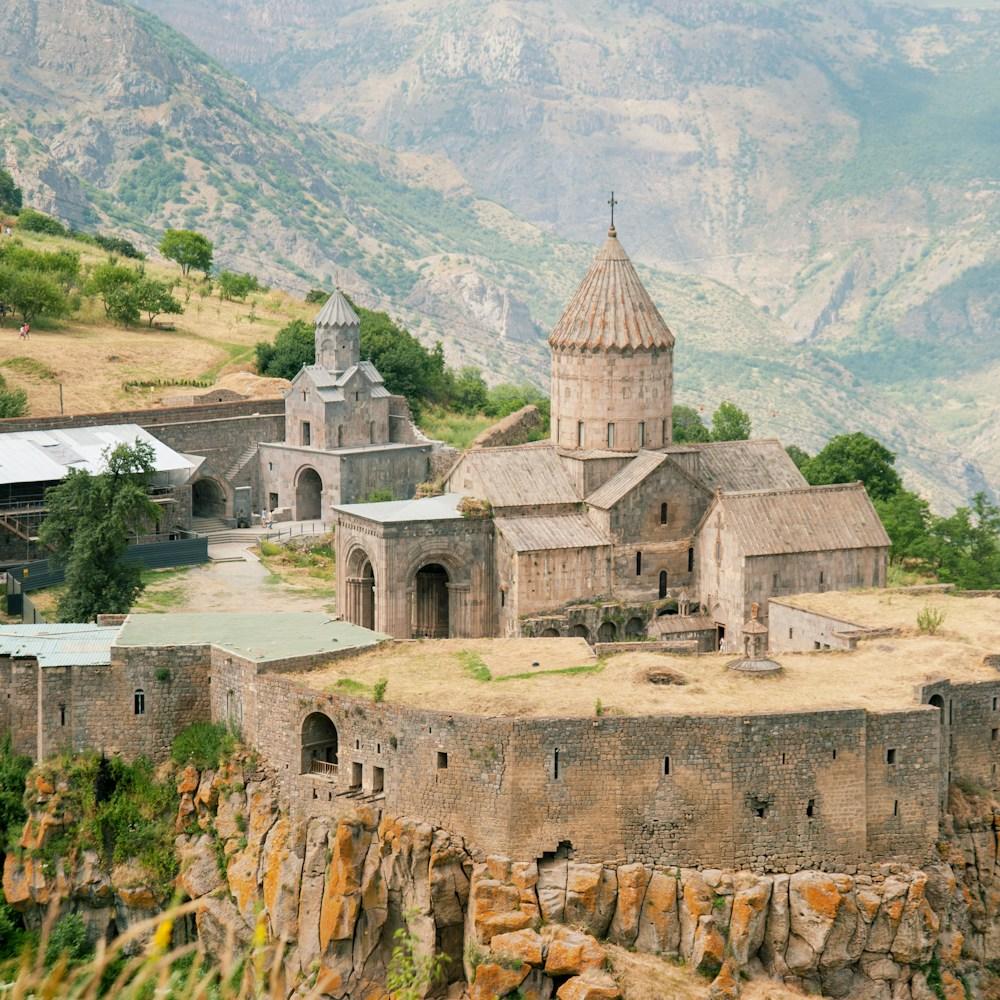
Armenia is a small, mountainous country in the South Caucasus with a history out of all proportion to its size. In 301 AD it became the first nation to adopt Christianity as its state religion, and the result is a landscape scattered with stone monasteries, many set on cliff edges and gorge rims with the snow-capped peaks of the Lesser Caucasus behind them.
Most journeys begin in Yerevan, a city founded as the fortress of Erebuni in 782 BC. Today it is a lively capital of pink tufa-stone buildings, open-air cafes, wine bars and late-night strolling. Climb the Cascade for views towards Mount Ararat, browse the Vernissage market at weekends and spend an afternoon in the Matenadaran, home to one of the world's richest collections of ancient manuscripts.
Beyond the capital, distances are short and the scenery changes quickly. Within an hour you can reach the 1st-century temple at Garni and the rock-cut monastery of Geghard. A little further lie the high-altitude waters of Lake Sevan, the forested hills of Dilijan and the wine villages of Vayots Dzor, where the Areni-1 cave holds evidence of winemaking more than 6,000 years old.
Armenian food is one of the country's great pleasures: lavash baked in a tonir oven, slow-grilled khorovats, dolma, fresh herbs and apricots, all washed down with local wine or Armenian brandy. Hospitality is generous, and a meal in a village home is often the highlight of a trip.
Best Time to Visit Armenia
Late spring (May to June) and autumn (September to October) are ideal, with warm days, green or golden landscapes and the grape harvest in autumn. Summers in Yerevan are hot and dry, while the mountains stay cooler. Winter brings snow and skiing at Tsaghkadzor.
Top Reasons to Visit Armenia
1. Monasteries in Dramatic Settings
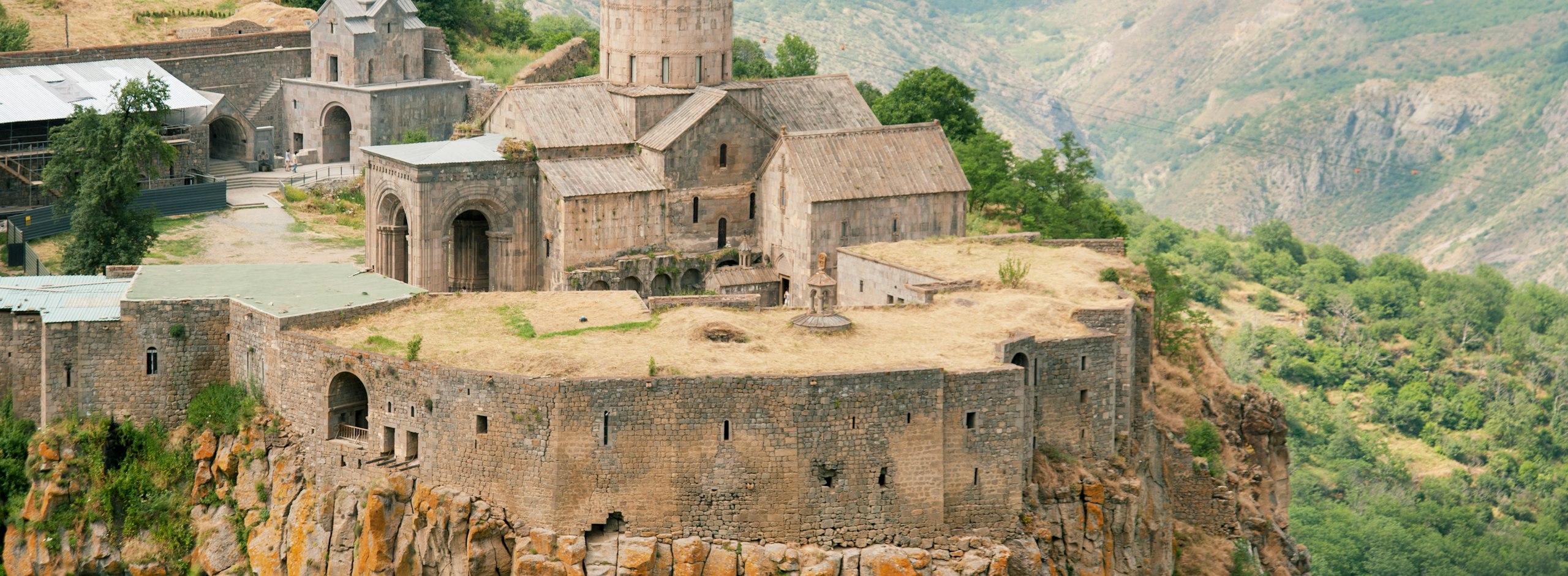
Armenia's medieval monasteries are its signature sight. Tatev sits on a plateau above the Vorotan Gorge, Noravank glows red against its canyon walls, and Geghard is partly carved into the mountainside. Geghard, Haghpat and Sanahin are UNESCO World Heritage Sites.
2. The Wings of Tatev
Reach Tatev Monastery on the Wings of Tatev, an aerial tramway of around 5.7 kilometres that glides high above the gorge. It is one of the longest of its kind in the world and an unforgettable way to arrive.
3. Wine with a 6,000-Year History
The Areni-1 cave in Vayots Dzor holds what is considered the world's oldest known winery. Visit the family wineries around Areni village, taste wines made from native grapes and time your trip for the autumn harvest.
4. Lake Sevan and the Mountains
Lake Sevan sits at around 1,900 metres and is one of the largest high-altitude freshwater lakes in the world. Sevanavank Monastery overlooks its shore, and the surrounding mountains offer hiking on routes such as the Transcaucasian Trail.
5. Yerevan's Cafe and Culture Scene
Yerevan is made for wandering. Spend evenings in its cafes and wine bars, visit the History Museum of Armenia and the Cafesjian Center for the Arts, and watch the singing fountains in Republic Square.
6. Views of Mount Ararat
The monastery of Khor Virap stands almost at the foot of Mount Ararat, the national symbol of Armenia. On a clear morning it offers one of the most photographed views in the Caucasus.