Spring is often considered one of the best times to visit the Pashupatinath Temple. During these months, the weather is pleasantly warm during the day and cool at night, allowing you to explore the temple and its surrounding area comfortably. The temple grounds and the Bagmati River look particularly stunning, bordered by blooming flowers and new green foliage. Spring is also the season when the festival of Holi takes place, and although the temple itself is not the center of Holi celebrations, the joyous spirit of the festival is palpable in the atmosphere. Additionally, being one of Nepal's premier Shiva temples, Maha Shivaratri is celebrated with much gusto here. The temple complex is illuminated with oil lamps and aromatic incense fills the air, creating a deeply spiritual ambiance.
Summer months bring the monsoon rains to Kathmandu, which can make travel to and from the temple complex somewhat challenging due to muddy conditions and occasional flooding. However, the temple takes on an ethereal beauty during the rains, with mist often enveloping its ancient architecture. The sound of raindrops hitting the stone structures and the Bagmati River swelled with rainwater provide a mystical backdrop for meditation and reflection. Despite the logistical difficulties, the temple is less crowded, allowing for a more intimate experience. Visiting during this time provides a unique perspective of the temple’s significance in the cycle of life, death, and renewal.
Autumn is another prime time to visit the Pashupatinath Temple, with moderate temperatures and clear skies offering spectacular views of the temple against the backdrop of the Himalayas. The grand festival of Dashain and later Tihar bring an array of religious activities to the temple, making it a bustling hub of cultural experiences. Devotees in colorful attire perform rituals and prayers, and the atmosphere is charged with spiritual energy. Special ceremonies take place along the ghats by the Bagmati River, and the temple complex is often adorned with marigold flowers and bright lights, making for excellent photo opportunities.
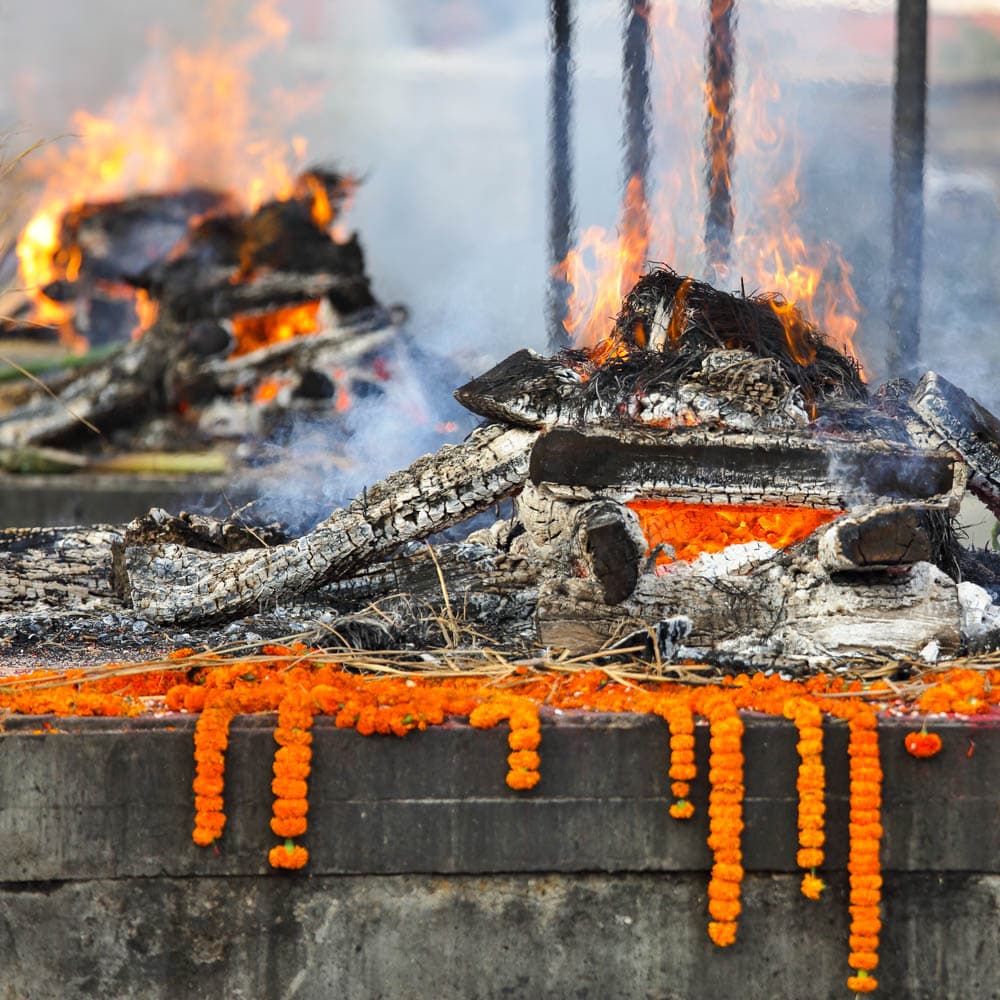
Winter in Kathmandu is crisp and cold, with foggy mornings that gradually give way to sunny days. The Pashupatinath Temple is quieter during this season, providing a more serene atmosphere for introspection and spiritual connection. Pilgrims often perform rituals around the holy fires to keep warm, and the aroma of incense and wood smoke blend in the chilly air. This is an excellent time to explore the smaller shrines and hidden corners of the temple complex without the crowds. The architecture of the temple, carved intricately and detailed in its designs, stands out vividly against the winter sky, and the cold weather adds a sense of purity and tranquility to your visit.