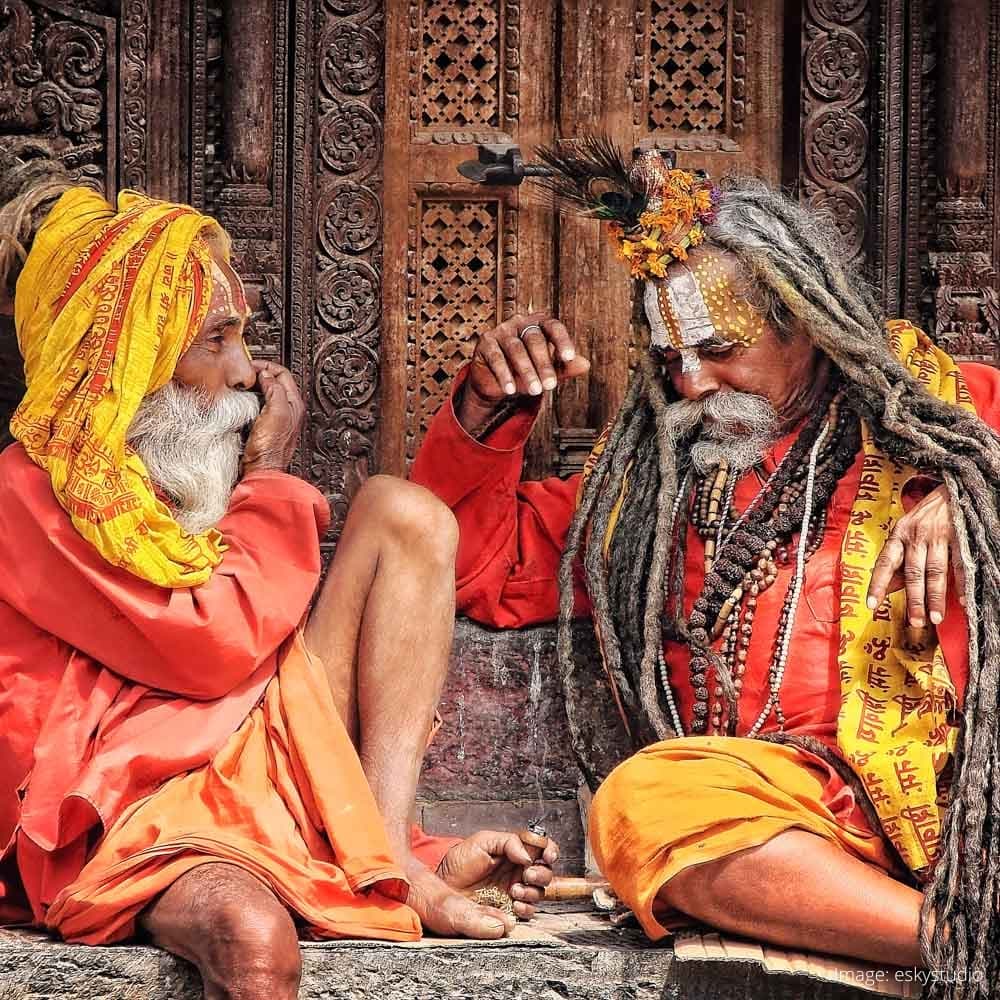
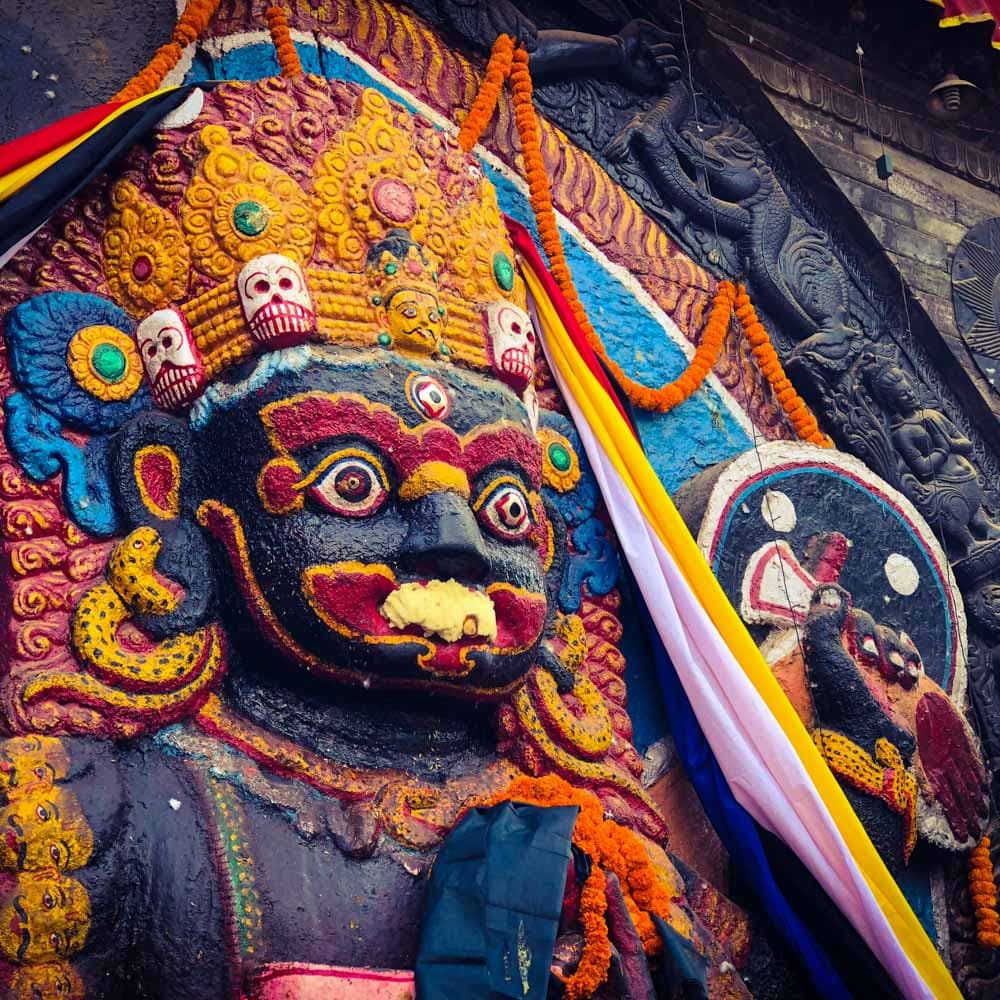
As winter subsides, spring brings a breath of fresh air to Asan Bazar, one of the most vibrant marketplaces in Kathmandu. The temperate climate of the season makes it an ideal time for visitors to explore the maze of narrow lanes filled with colorful stalls and historic temples. Street vendors start displaying an array of seasonal produce—mangoes, pomegranates, and an assortment of local berries—making the bazaar a foodie’s paradise. The atmosphere buzzes with the sounds of bargaining, chatter, and traditional Nepali music. The architecture of Asan Bazar—reflective of the rich cultural diversity of Kathmandu—is at its most photogenic under the soft, golden light of spring. As you navigate through the market, you might even stumble upon traditional Newari artisans working diligently on their craft, preparing for the festivals that lie ahead.
Summer in Asan Bazar is an experience filled with warmth, both literal and metaphorical. The sun bathes the crowded streets in a relentless glow, and it’s the season where you'll see the most varied assortment of goods—from spices and textiles to handicrafts. The energy is palpable, with children running around and locals engrossed in animated discussions. Given the heat, many vendors offer a variety of refreshing traditional drinks like lassi and local fruit juices. It's a good idea to dress in light, breathable clothing and to carry water and sunscreen. Frequent stops at the many small eateries or tea shops can offer a much-needed respite from the summer heat, giving you the chance to sample the local cuisine and mingle with the community.
Autumn in Asan Bazar is synonymous with festivity. As the season coincides with many Hindu and Buddhist festivals, the marketplace is adorned with vibrant decorations, ranging from colorful flags to intricate Rangoli designs on the ground. The air is thick with the aroma of incense, fried delicacies, and traditional sweets. A variety of traditional clothing, specifically designed for festival celebrations, fills the shops. The temperatures are mild, making it comfortable to explore the bazaar for extended periods. Expect to see cultural performances and processions sporadically disrupting the usual business. The sense of community is at its peak, and the local people often engage visitors with stories of folklore and tradition. Don’t miss the chance to witness the elaborate rituals and ceremonies that make this season special.
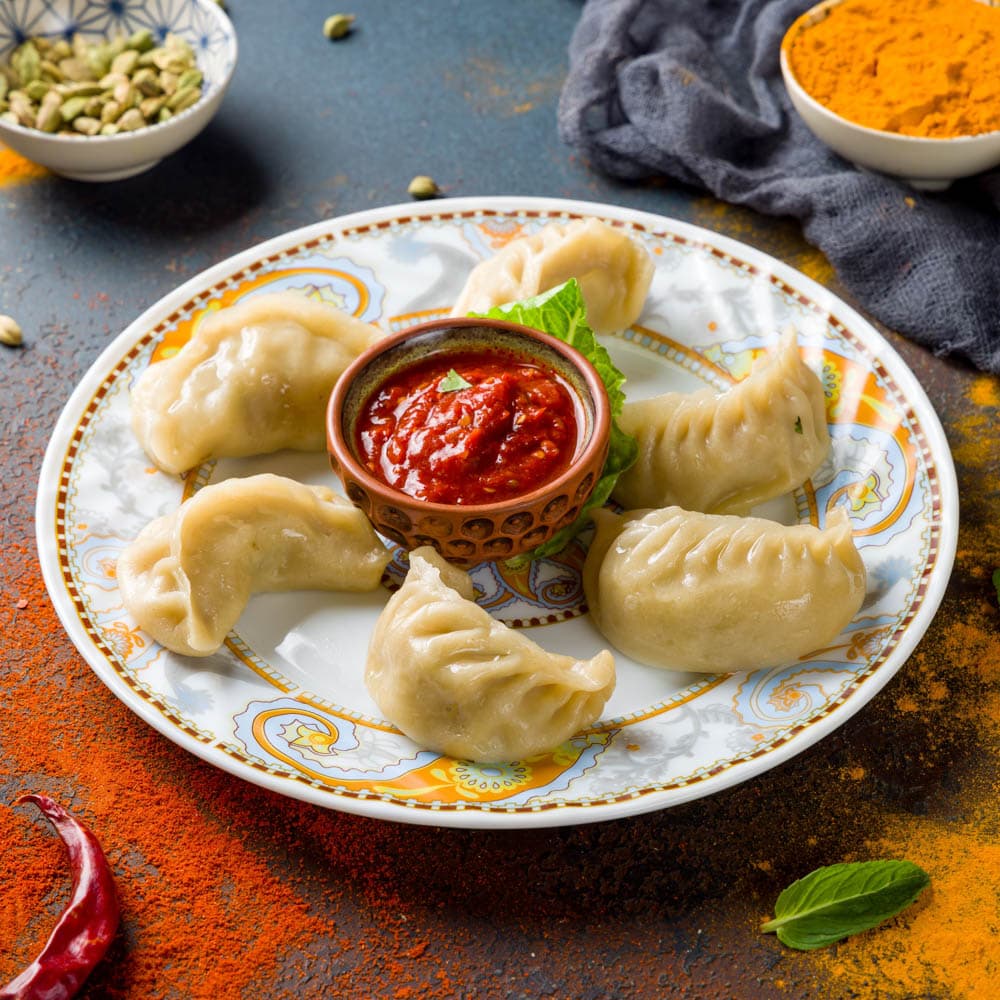
Winter in Asan Bazar offers a different charm altogether. The hustle and bustle diminish a bit, providing a more relaxed atmosphere for exploration. The air turns crisp, and locals can be seen huddled around traditional stoves sipping on hot tea. This is a great time for visitors who prefer a less crowded environment to absorb the architectural beauty and historical significance of the marketplace. Though the variety of fresh produce dwindles, what you will find is an array of dried fruits, nuts, and winter-specific spices. It’s the season to indulge in warm, comforting foods like momos and thukpa, which taste even better in the chilly weather. Make sure to pack some warm clothing, as temperatures can drop significantly, especially in the evenings.