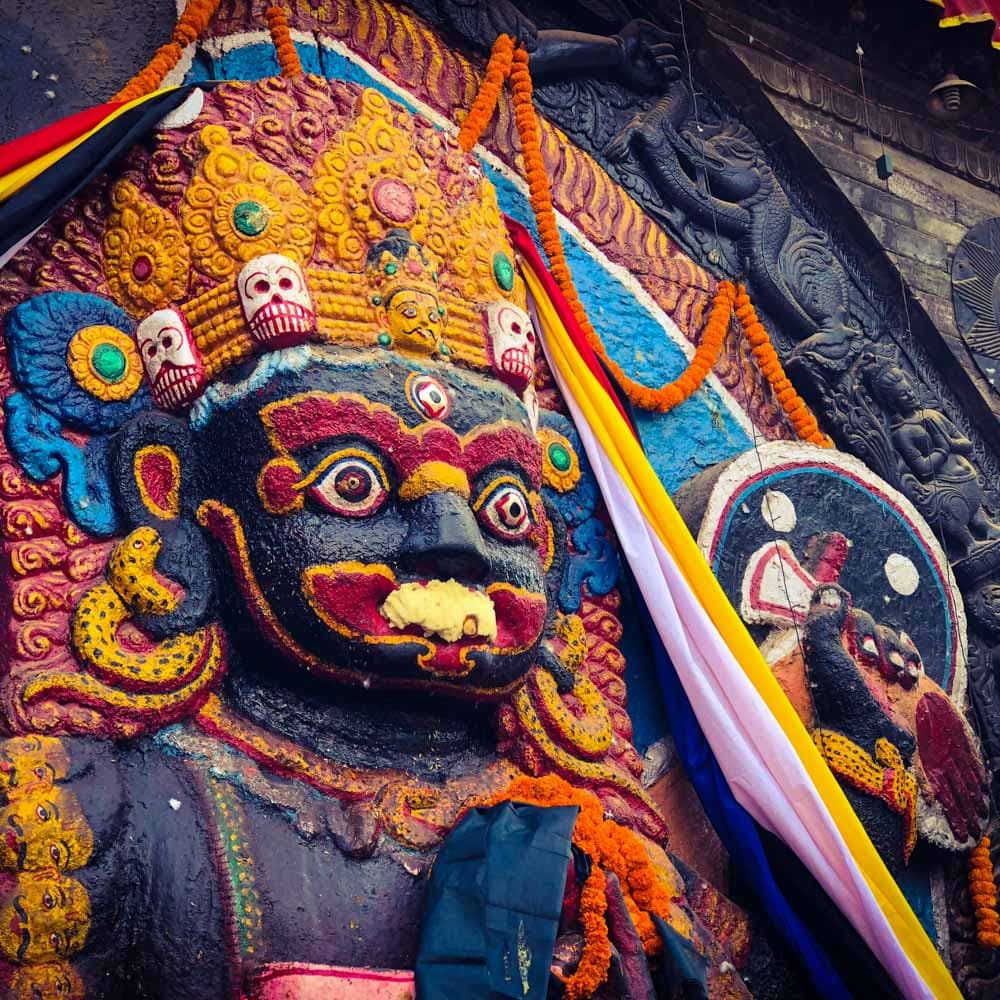
Spring (March to May) is one of the most comfortable times to visit Kathmandu Durbar Square. The weather is pleasant, with daytime temperatures ranging from 20 to 27 degrees Celsius, making it ideal for exploring the historic site without being burdened by extreme heat or cold. During this season, you'll find the square bustling with locals and tourists alike. Many local festivals, like Holi, take place during the spring, adding vibrancy and color to the atmosphere. The skies are mostly clear, offering good visibility for photographs of the intricate woodwork, statues, and historical architecture that the square is famous for. Local flora around the area begins to bloom, providing a lush backdrop to the historical structures.
Summer (June to August) brings the monsoon season to Kathmandu. Heavy rainfall can make the Durbar Square's cobblestone paths slippery, and some areas may be prone to water logging. Despite these challenges, visiting during the summer offers its own unique charm. The rain refreshes the environment and reduces dust, making the colors of the buildings and surrounding areas pop in a unique way. Summer evenings can be particularly mesmerizing with fewer crowds and a serene atmosphere enhanced by the rhythmic patter of rain. If you decide to visit during this season, it's advisable to carry water-resistant gear, including footwear and camera equipment.
Autumn (September to November) is another peak season for tourists. The monsoons have washed away the summer dust, and the air is crisp and clear. Temperatures range from 15 to 24 degrees Celsius, making it comfortable to explore the square for extended periods. This season is also when the biggest festivals of Nepal, Dashain and Tihar, occur. Durbar Square becomes a hub of activities, traditional dances, and rituals during these festivals. The historic temples are decorated with marigold flowers, colored powders, and oil lamps, making for fantastic photo opportunities. If you're interested in Nepalese culture, autumn is an excellent time to immerse yourself in local traditions.
Winter (December to February) is the least crowded season to visit Kathmandu Durbar Square, offering a more peaceful experience. Temperatures can drop to as low as 1 degree Celsius in the mornings and evenings, so it’s crucial to pack warm clothing. The chilly weather lends a misty, almost ethereal, aura to the ancient buildings. This is a great time for uninterrupted exploration and photography, as the square is less bustling with activities. However, be prepared for shorter days, as the sun sets early, limiting your sightseeing time. The winter cold also allows for the enjoyment of hot local beverages like 'chiya' (spiced tea) sold by vendors around the square, adding a comforting layer to your experience.