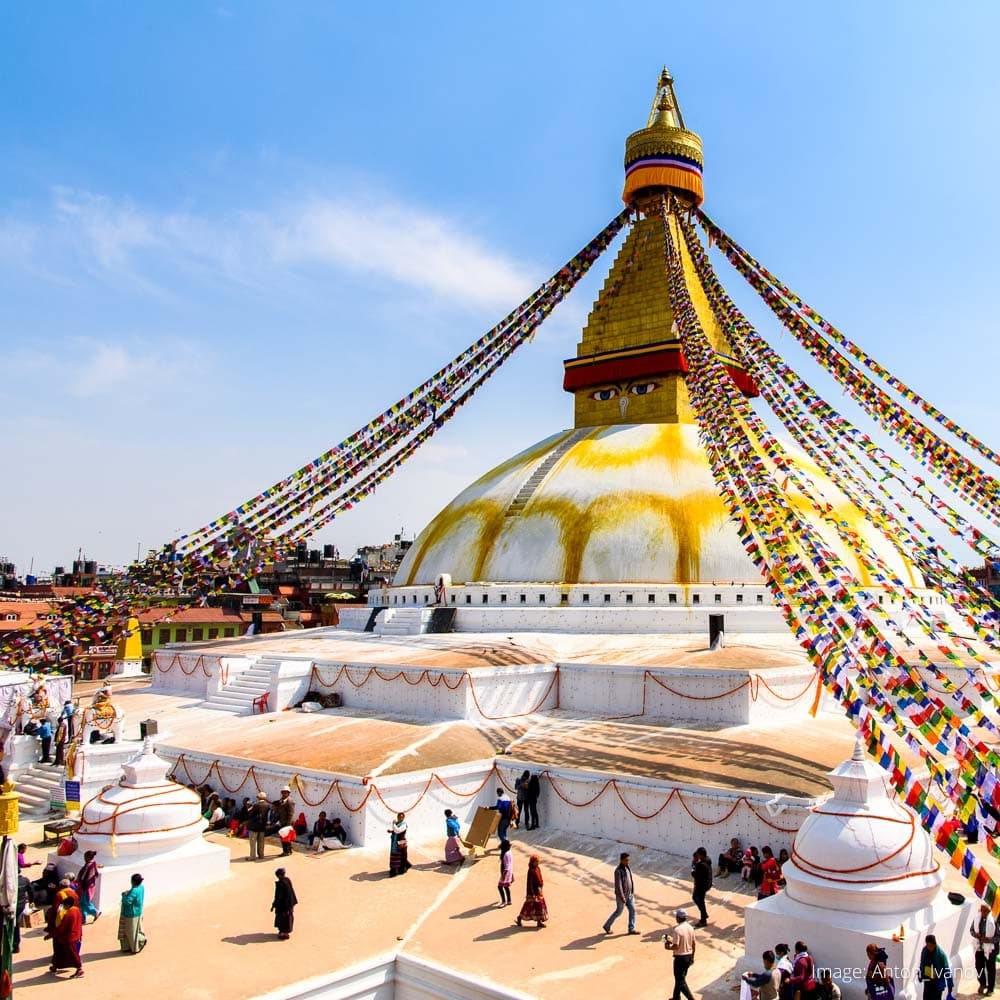
Spring is one of the best times to visit Bhaktapur Durbar Square. The temperature is moderate, making it ideal for exploring the historical architecture, art galleries, and temples. This time of the year is when the region experiences the bloom of various flowers, making the surroundings even more vibrant and colorful. The air is clearer in spring, offering stunning views of the Himalayan mountain ranges from certain viewpoints in the square. Cultural activities also start to pick up in spring, and you might be lucky to witness local Newari festivals and traditional dances that bring the ancient courtyard to life. The relatively dry weather is excellent for photography, capturing the essence of the preserved medieval art and architecture in the golden light of the season.
Summer in Bhaktapur is hot and can be quite humid, especially in June and July. This might make extensive walking tours around the square a bit challenging. However, the monsoon season, which starts around late June, brings with it a different kind of beauty to Bhaktapur. The ancient stone structures look even more mystical in the drizzling rain, and the gardens and plant life become lush and green. It's a great time to experience the daily life of the locals, who can often be seen in traditional attire, offering you an authentic experience. However, travelers should be prepared for sudden downpours and should take precautions against slippery paths.
Autumn is another peak season for travel in Bhaktapur. The skies clear up after the monsoon season, offering magnificent views of the mountains and making the climate ideal for touring. This period is marked by one of the biggest festivals in Nepal—Dashain, followed by Tihar. The square lights up with festivities, and you can see the intricate traditional crafts, listen to indigenous music, and experience ceremonies that have been passed down through generations. The atmosphere is lively, and the climate is moderate, neither too hot nor too cold. Expect bigger crowds, especially in late October and November, when many international tourists visit.
Winter presents Bhaktapur Durbar Square in a tranquil guise. The tourist crowd thins out, and the weather, although chilly, is usually clear. It offers a quiet atmosphere for visitors who want to explore the square in solitude. The mornings can be foggy, lending a magical air to the ancient structures. It's a great time to dive deep into the history and culture of the place without many distractions. However, the temperature drops significantly during evenings and nights, so warm clothing is a must. Also, some local shops and eateries may have shorter operating hours compared to other seasons. Despite these factors, winter has its unique charm and offers an intimate experience of Bhaktapur's timeless beauty.