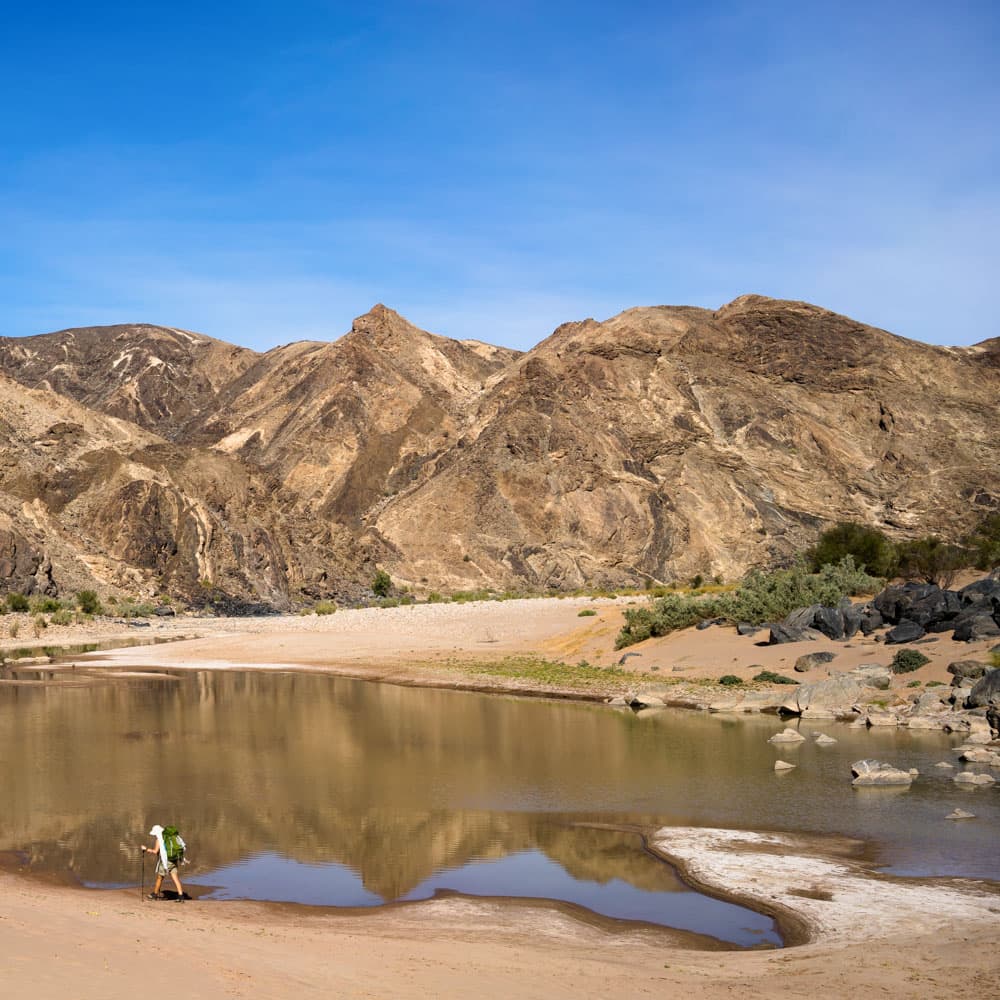
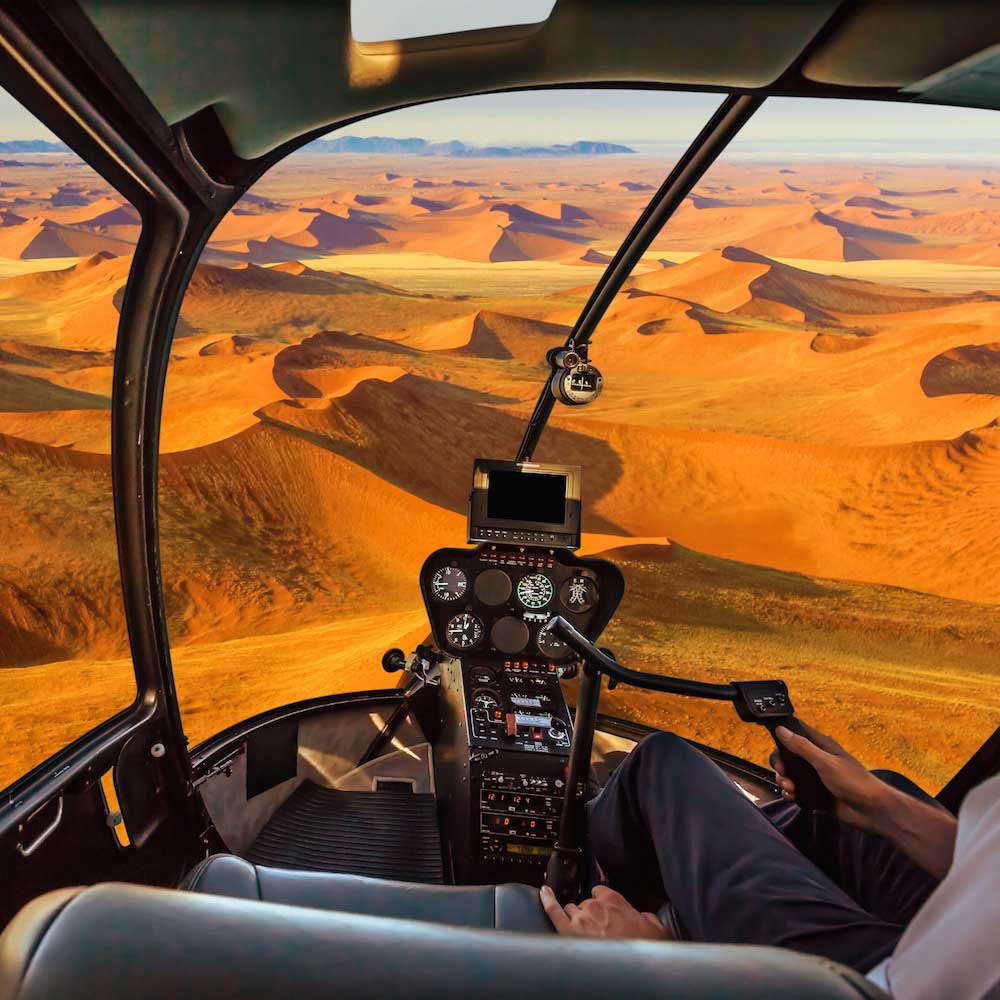
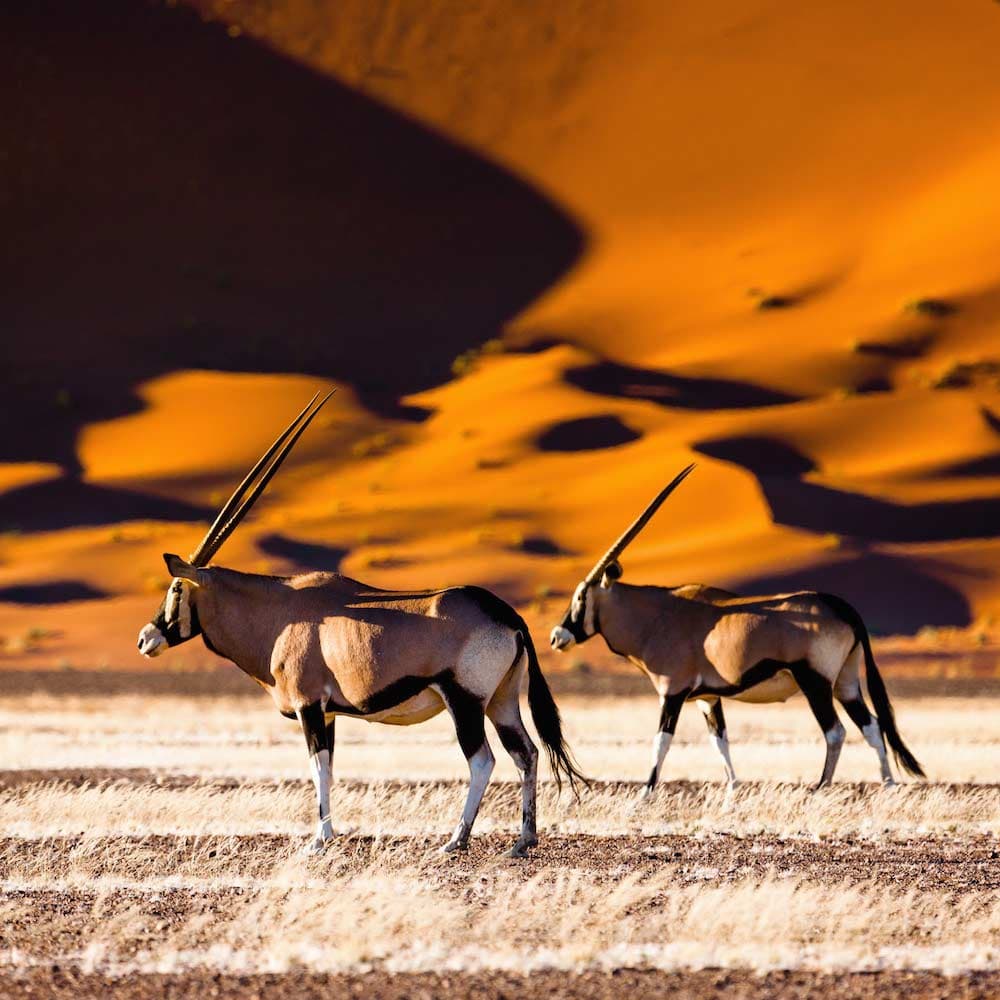
Spring in the Kalahari Desert, spanning from September to November, brings a gradual warming of temperatures and the blossoming of desert flora. During this season, travelers can expect pleasant daytime temperatures, often reaching around 25°C (77°F), making it an ideal time for exploring the vast landscapes and unique wildlife. The desert begins to come alive with bursts of color from blooming flowers and plants, offering excellent opportunities for photography and nature walks. It's a great time to experience the desert's unique ecosystem before the summer heat sets in.
Summer in the Kalahari Desert, from December to February, is characterized by extreme heat, with temperatures frequently soaring above 35°C (95°F). Travelers visiting during this period should be prepared for intense heat and take necessary precautions such as staying hydrated and avoiding the midday sun. Despite the harsh conditions, summer is also the rainy season, bringing brief but dramatic thunderstorms that can transform the arid landscape with temporary waterholes and a burst of greenery. Wildlife sightings can be rewarding as animals congregate around these water sources.
Autumn, from March to May, offers a respite from the summer heat with gradually cooling temperatures, making it a favorable time for travel. Daytime temperatures are generally comfortable, ranging from 20°C to 30°C (68°F to 86°F). The landscape remains lush from the summer rains, providing ample opportunities for wildlife viewing and photography. This season is ideal for outdoor activities such as guided walks and game drives, as the cooler weather makes exploration more enjoyable. The clear skies and pleasant weather conditions make autumn a prime time for stargazing in the desert.
Winter in the Kalahari Desert, from June to August, brings cooler temperatures, especially in the early mornings and evenings, which can drop close to freezing. Daytime temperatures, however, are mild and typically range from 15°C to 25°C (59°F to 77°F), making it a comfortable time for daytime activities. Travelers can expect crisp, clear skies and excellent visibility, enhancing the experience of wildlife spotting and landscape photography. The lack of rain during winter means the desert is dry, and animals are more likely to be found near water sources, providing good opportunities for game viewing.