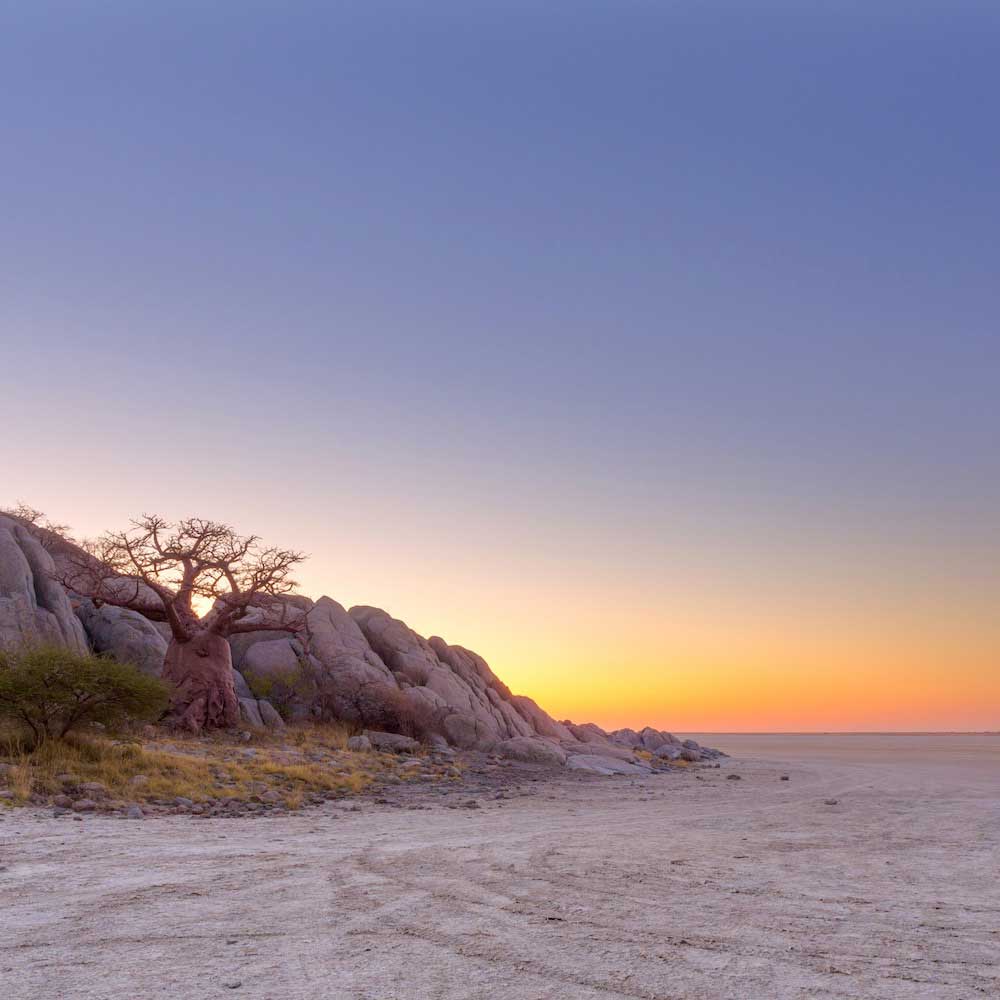
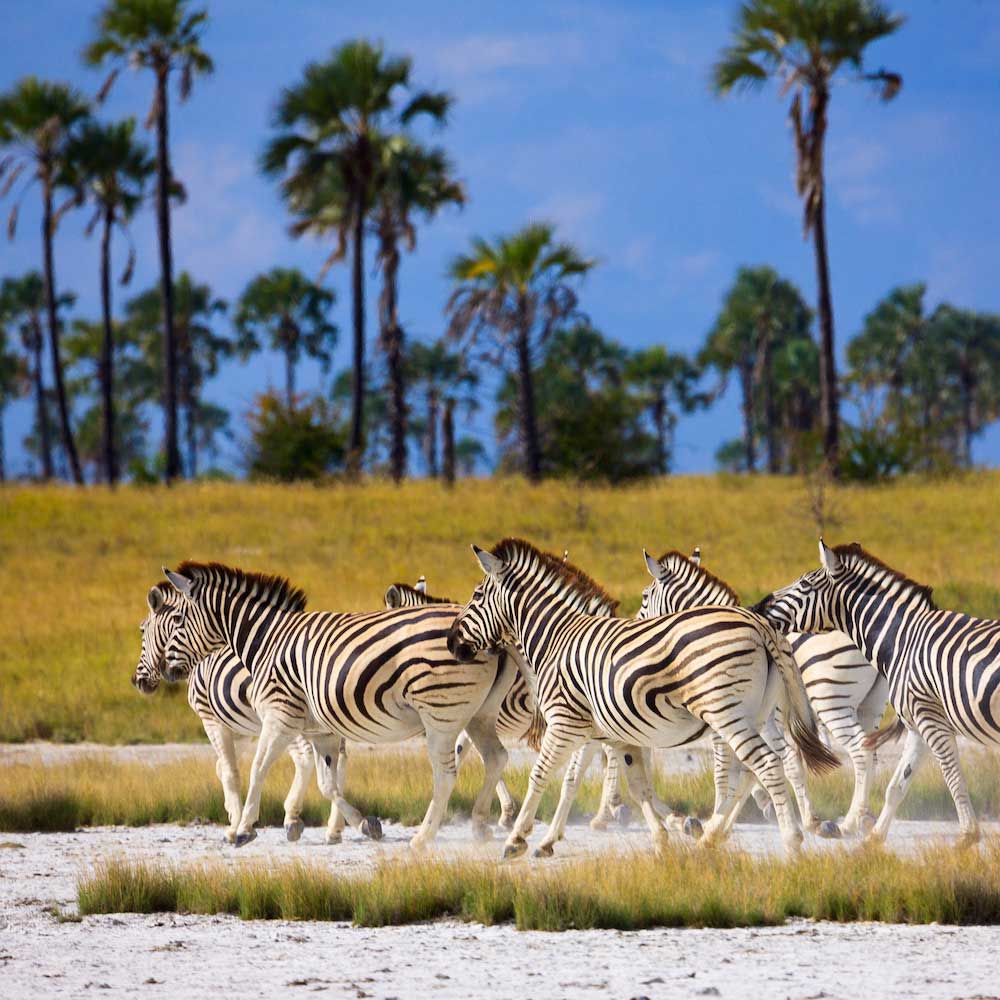
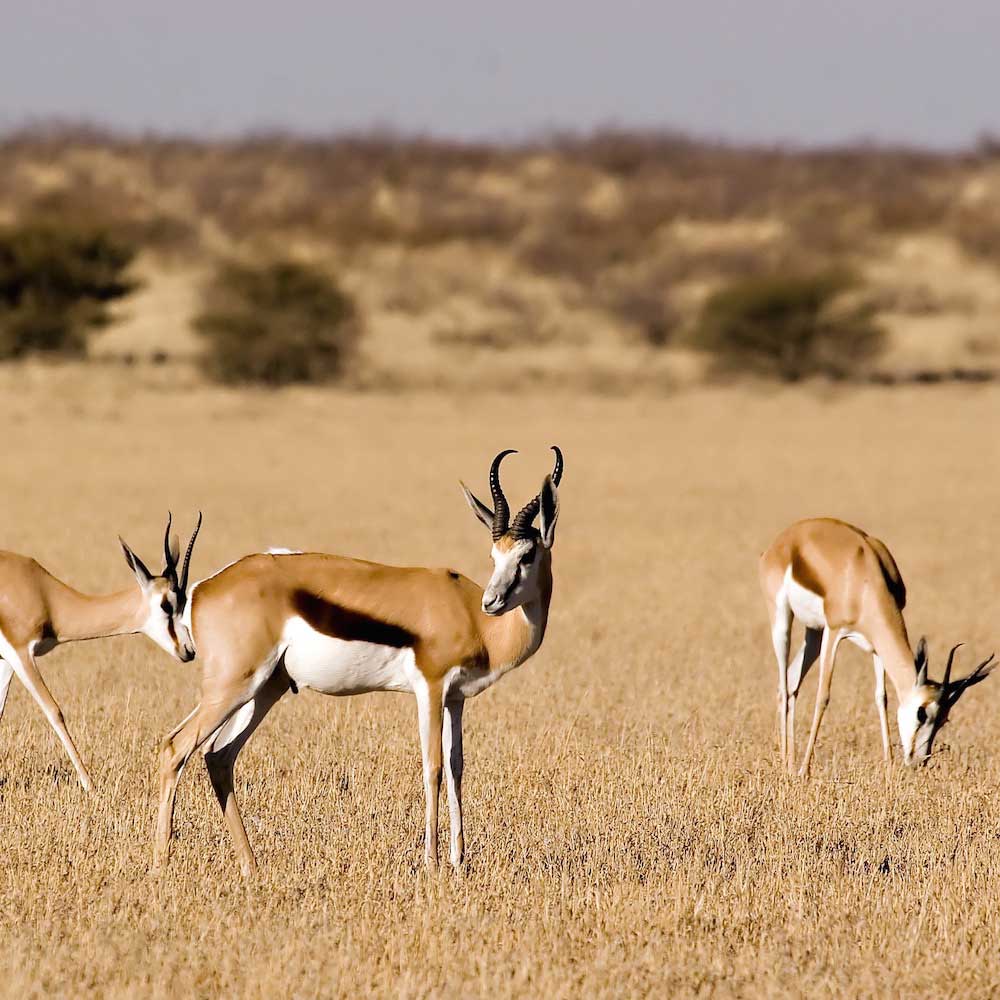
Spring in the Khama Rhino Sanctuary heralds a time of rebirth and rejuvenation. As the winter chill fades, the landscape transforms into a vibrant tapestry of blooming wildflowers and lush greenery. This season is particularly exciting for bird enthusiasts, as many migratory birds return, adding a melodious backdrop to the sanctuary. The milder temperatures of spring make it an ideal time for game drives and nature walks, offering visitors the chance to see rhinos, giraffes, and other wildlife becoming more active after the cooler months.
Summer brings the rain, turning the Khama Rhino Sanctuary into a lush, verdant paradise teeming with life. This is the peak season for wildlife viewing, as waterholes fill up and attract a plethora of animals, including the sanctuary's namesake rhinos, along with zebras and several antelope species. However, visitors should be prepared for higher temperatures and occasional afternoon thunderstorms, which can add an exhilarating element to the safari experience. The dramatic skies and vibrant landscapes provide unparalleled photo opportunities during this season.
Autumn is a season of transition at the Khama Rhino Sanctuary, offering a serene and comfortable climate for visitors. As the rains subside, the landscape remains green and inviting, with cooler mornings and evenings. This period is excellent for those who wish to enjoy wildlife viewing without the extremes of summer heat or the unpredictability of spring weather. The calmer waterholes and diminishing foliage allow for clearer views of animals, including the majestic rhinos, making it a preferred time for photographers and nature lovers seeking to capture the essence of Botswana's wilderness.
Winter in the Khama Rhino Sanctuary is characterized by dry, mild days and chilly nights. This season offers the best visibility for wildlife spotting, as sparse vegetation and the need for animals to frequent waterholes increase the chances of encountering rhinos, elephants, and leopards. The cooler temperatures make extended game drives and outdoor activities more comfortable, allowing visitors to explore the sanctuary's landscapes and diverse ecosystems extensively. Winter also minimizes the presence of mosquitoes, making it a healthier period for travel in the area.