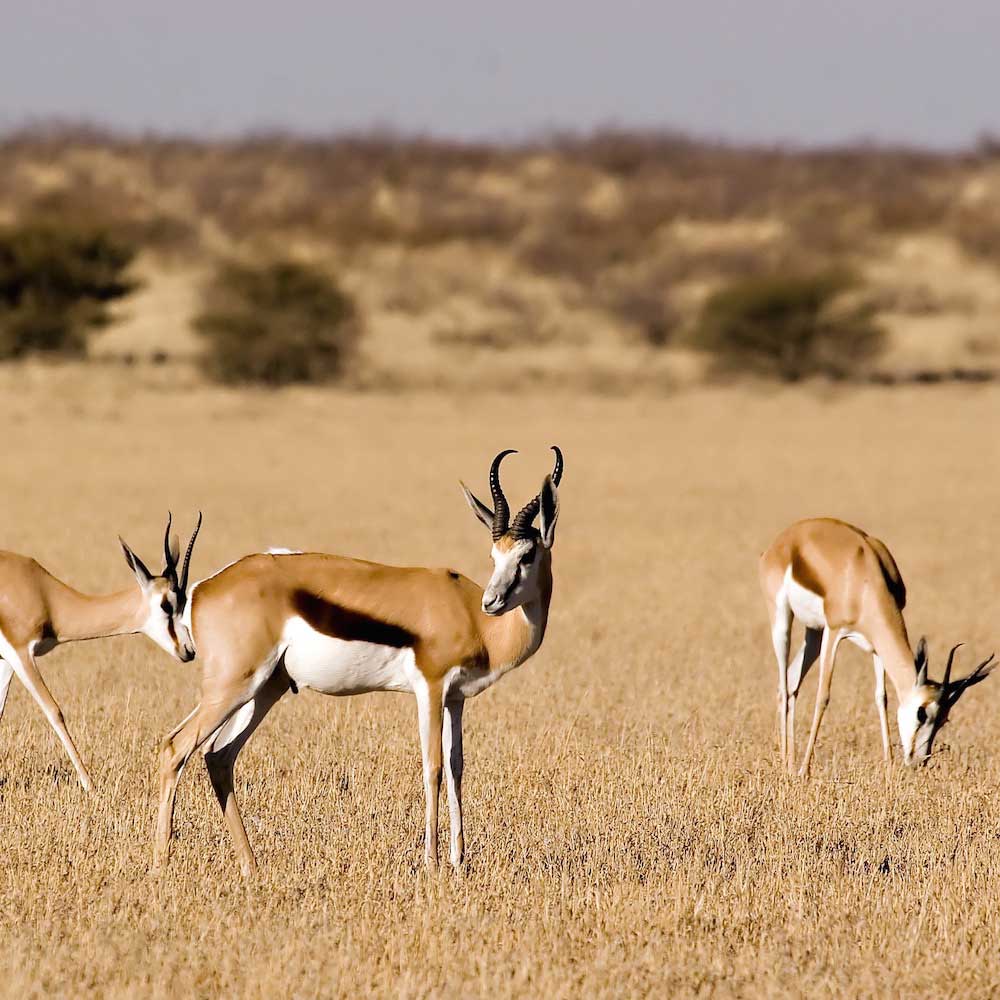
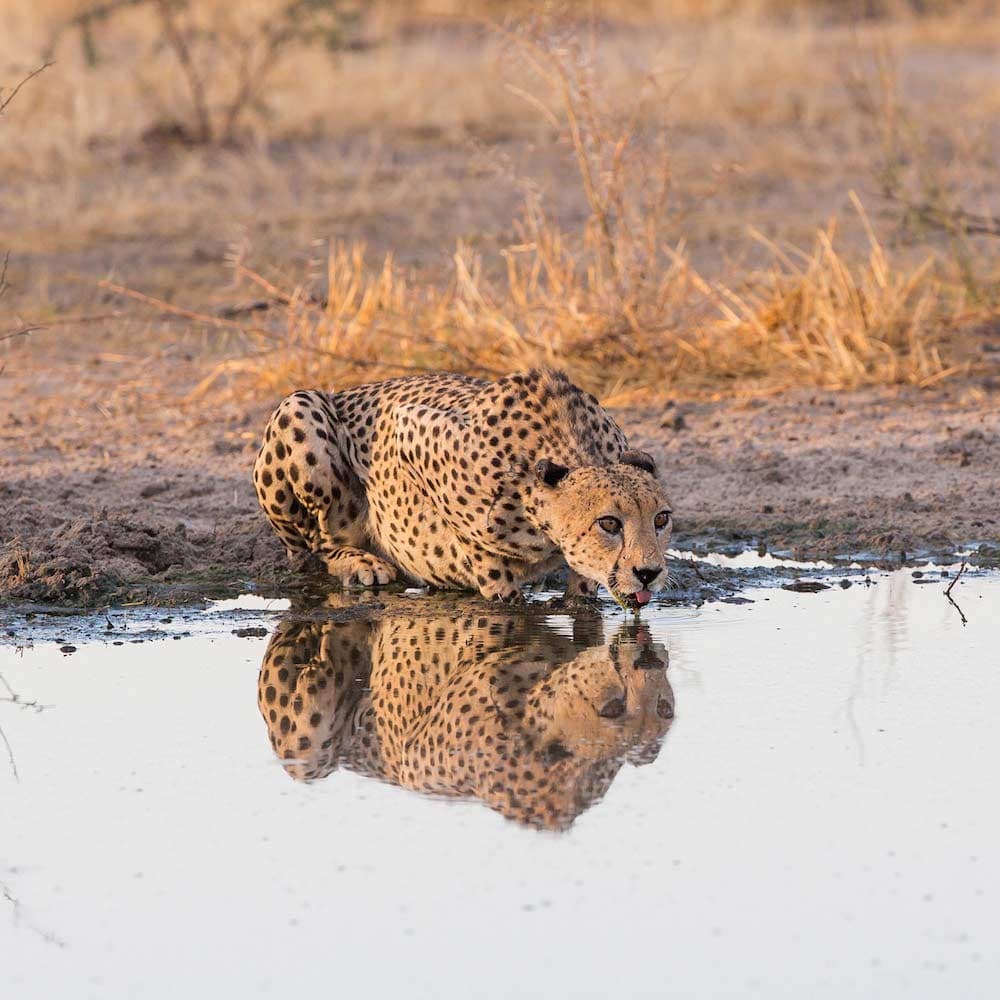
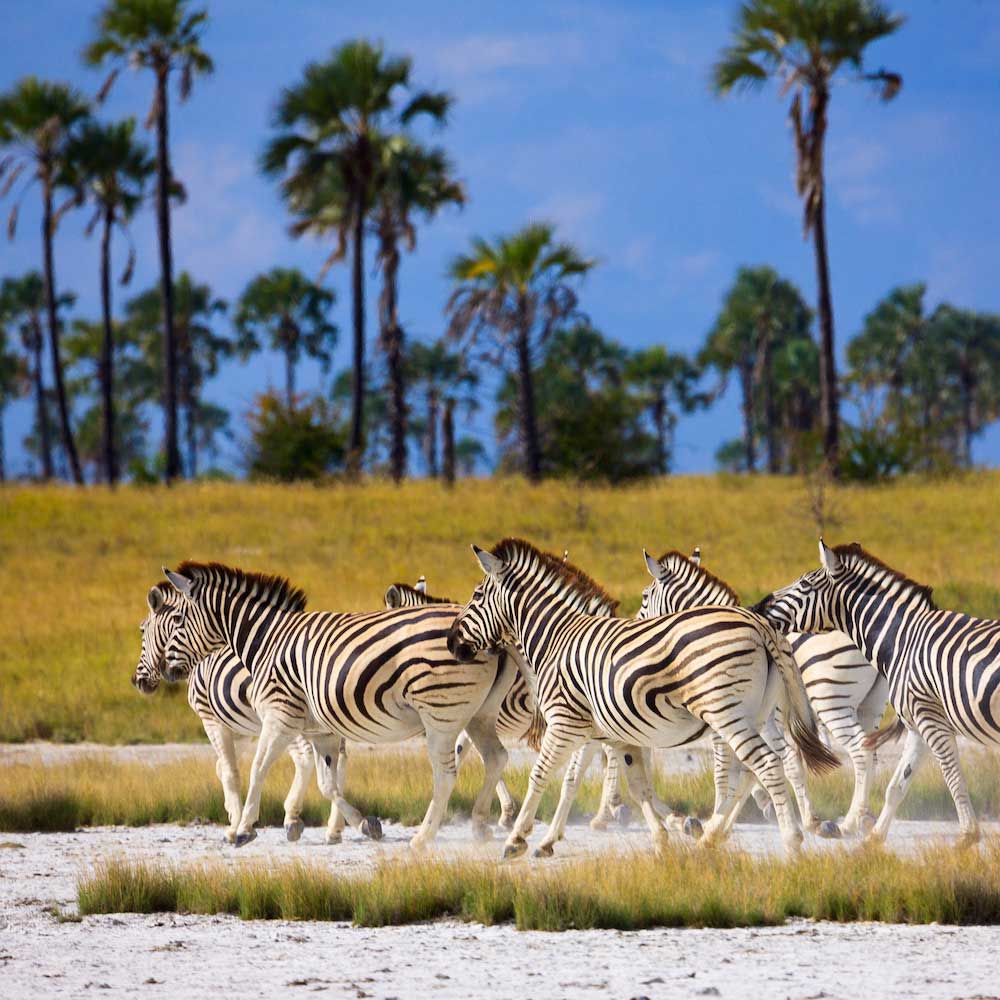
Spring in Kgalagadi isn't just about flowers popping up. It's the time when the park shakes off the winter chill, and animals start getting active. You'll see a lot of young wildlife starting to make their first appearances, which is pretty cool for sightings. The temperatures are getting back to comfortable, but it's also when the rains start to peek in. So, you might get a mix of great weather and sudden showers. Pack accordingly.
Summer here is hot and wet. The rains turn the park green, which is a stark contrast to its usual arid look. This is when the place is buzzing with life. Animals are everywhere, and if you're into bird watching, you're in for a treat with migratory birds coming through. The catch? It's hot, like really hot, and the rain can make some paths a muddy adventure. Early mornings and late afternoons are your best bet for exploring.
Autumn is the Goldilocks season—not too hot, not too cold. The park is still lively, but as it starts drying out, animals begin to hang around waterholes more, making them easier to spot. The changing scenery provides some epic backdrops for photos. Nights start getting cooler, so it's a heads-up to pack some layers.
Winter turns Kgalagadi into a different kind of beast. It's cold in the mornings and evenings, but the days are clear and bright. This is prime time for wildlife spotting. Animals are less scattered, thanks to fewer water sources, so your chances of seeing the big predators in action are higher. Just remember, it's not just the safari vehicles that need to be rugged—the cold means you should bundle up too.