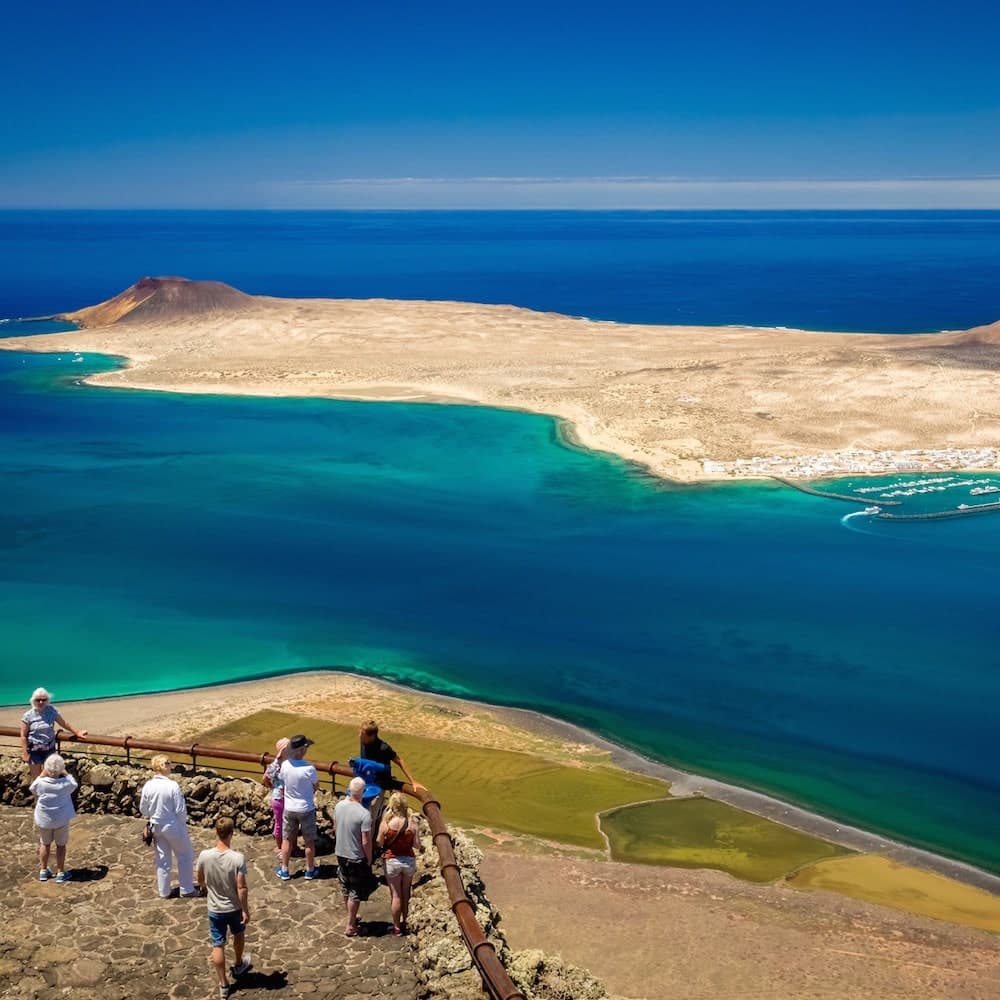
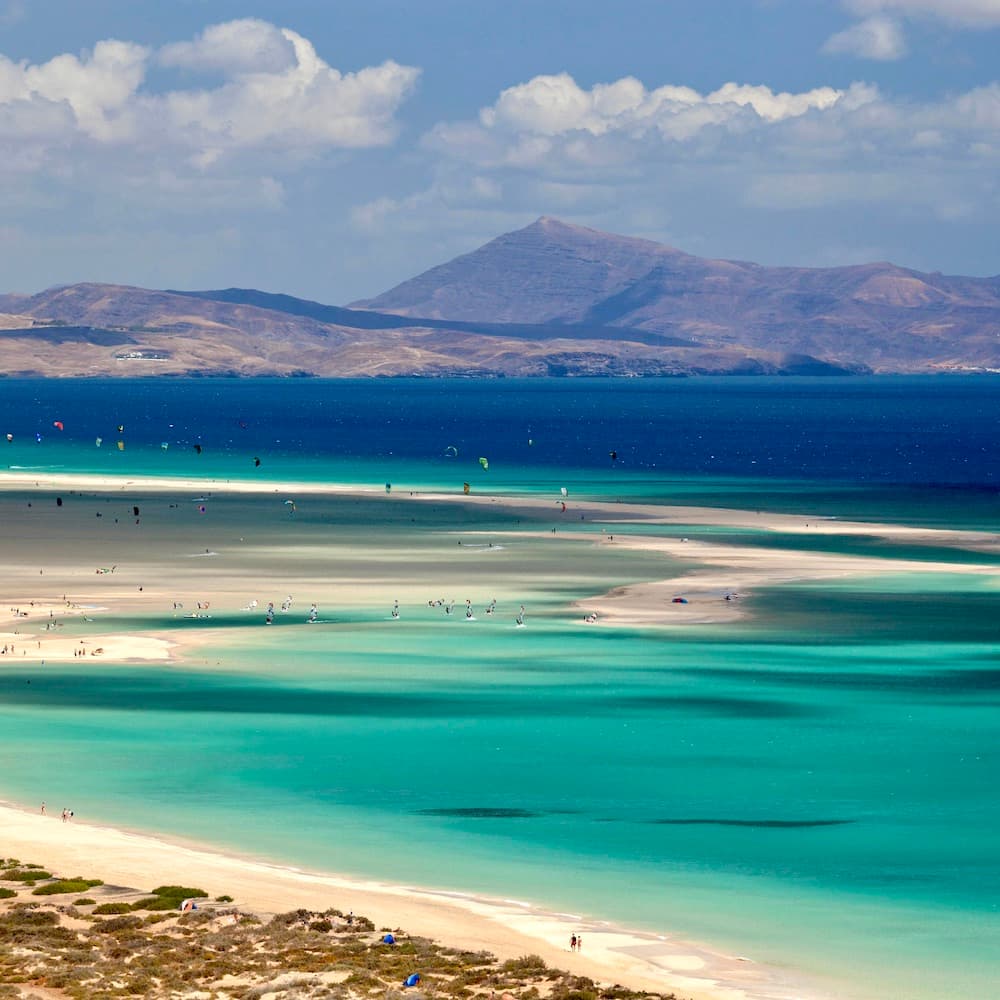
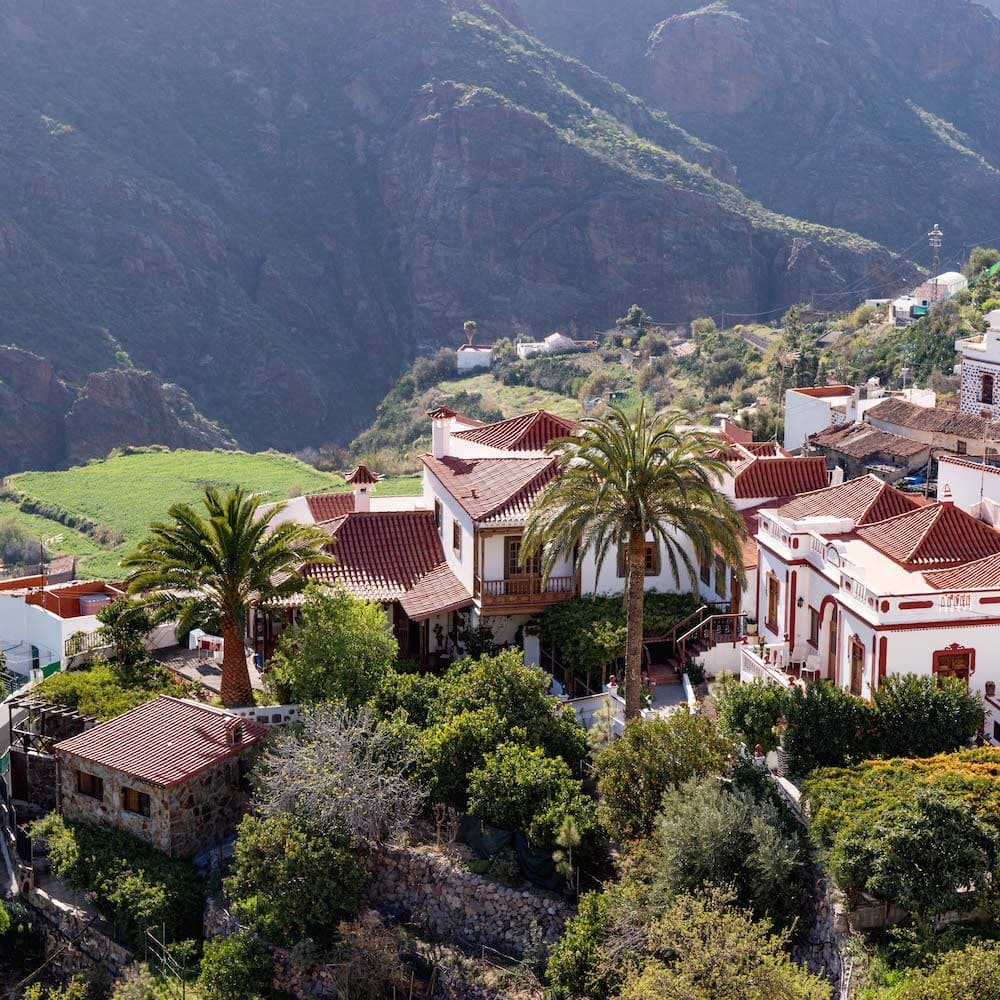
In spring, Timanfaya National Park bursts into a mild and pleasant climate, offering a comfortable environment for exploring its unique lunar landscapes. The temperatures are moderate, typically ranging between 16°C to 24°C (61°F to 75°F). This is an ideal time to witness the contrast between the vibrant green flora emerging after the winter rains and the stark volcanic terrain. Spring is perfect for hiking and guided tours, as the park is less crowded compared to the peak summer months. The rare sight of flowers blooming amidst lava fields creates a surreal experience for nature photographers and enthusiasts.
Summer in Timanfaya National Park brings a warmer and drier climate, with temperatures often soaring above 25°C (77°F). The heat accentuates the barren, Martian-like landscape of the park, making it a unique destination for those interested in geology and volcanic activity. The clear skies and longer days are ideal for exploring the park's vast expanse, but visitors are advised to bring sun protection and plenty of water. Summer evenings can be particularly magical, with the setting sun casting long shadows over the volcanic formations, creating a dramatic and ever-changing scenery.
Autumn in Timanfaya National Park is marked by a gradual cooling of temperatures and a decrease in tourist traffic, making it a peaceful time to visit. The climate remains relatively warm with average temperatures ranging from 20°C to 28°C (68°F to 82°F). This season is perfect for those who prefer a more tranquil experience. The lower light of autumn provides a different perspective on the park's dramatic landscape, with softer sunlight enhancing the reds and oranges of the volcanic soil. It's an excellent time for photography, leisurely walks, and enjoying the serene atmosphere of the park.
Winter in Timanfaya National Park is the mildest season, with temperatures rarely falling below 14°C (57°F). Although it's the coolest time of the year, the climate remains comfortable for outdoor activities. This season offers a unique perspective of the park, as occasional rains bring a hint of green to the otherwise stark landscape, and the lower visitor numbers create a more intimate experience. Winter sunsets are particularly stunning, offering a breathtaking view as the sun dips below the horizon, illuminating the volcanic formations in warm hues. It’s an ideal time for those seeking solitude and a connection with nature in its raw form.