Spring is an ideal time to explore Alfama's narrow streets and alleys, as the weather is mild and the crowds are still relatively thin. The air is filled with the scent of orange blossoms from the trees that dot the area, and outdoor cafés start to fill up with locals and tourists alike. Fado music, a form of traditional Portuguese singing that originated in Lisbon, can be heard wafting out from various taverns and restaurants. In addition, Easter celebrations offer a glimpse into the neighborhood's deep-rooted Catholic traditions, with processions and special masses taking place in churches like the São Vicente de Fora and the Santa Engrácia Pantheon.
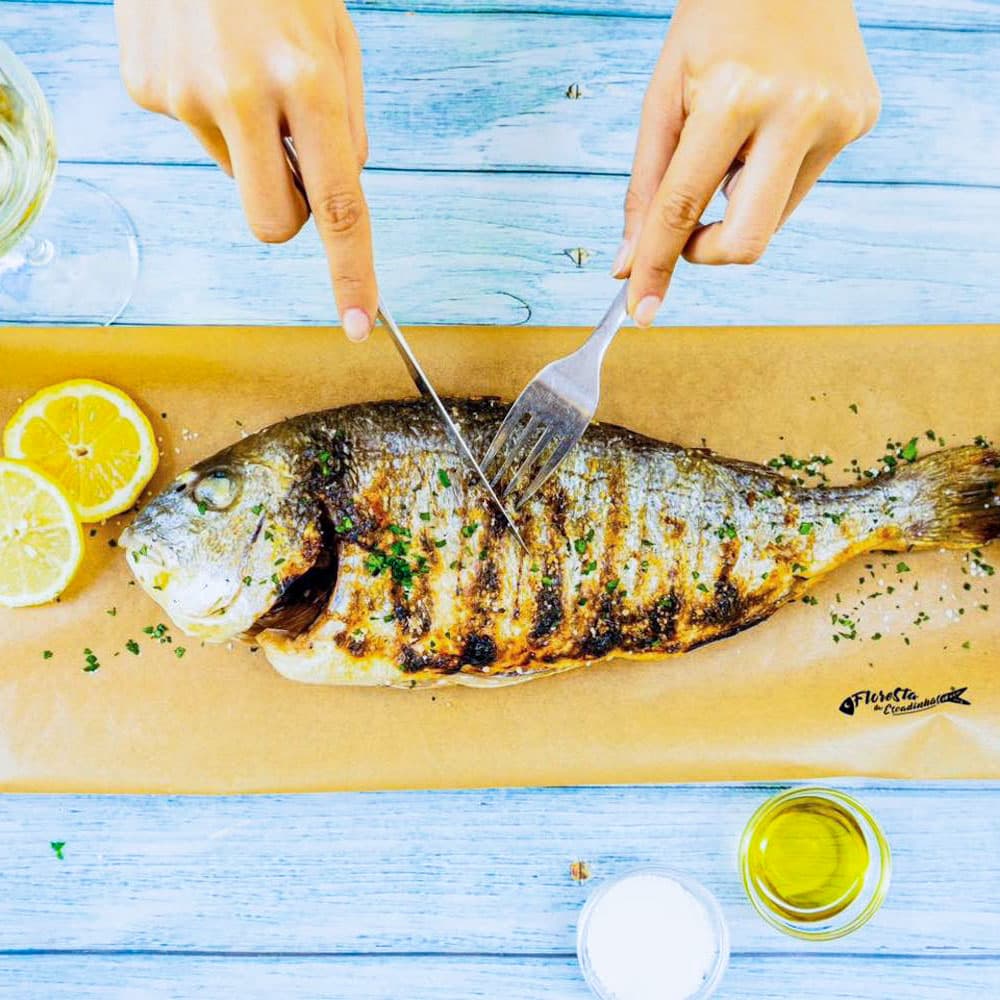
Alfama truly comes alive in the summer. Though it can get quite hot during the daytime, the evenings are pleasant and perfect for wandering. The highlight of the season is the Festas de Lisboa in June, where the streets are adorned with colorful streamers and decorations. Traditional grilled sardines are the flavor of the season, sold in food stalls that pop up all around. Alfama's steep steps and terraces offer magnificent views of the Tagus River, particularly enchanting during the summer sunsets. However, be prepared for larger crowds, as this is a popular time for tourists.
As the summer heat dissipates, Alfama in autumn becomes a tranquil haven. The temperatures are still warm enough for outdoor exploration, and the turning leaves add a touch of romance to the city's already charming streets. It's a great time for leisurely walks and photography, as the softer light provides an almost magical glow to the neighborhood’s pastel-colored buildings and tile facades. Local establishments are less crowded, giving you the chance to enjoy a more authentic experience. The occasional rainy day can be a perfect excuse to duck into a Fado bar or visit one of the many historic sites like the Lisbon Cathedral or the Castle of São Jorge without the long lines.
The winter months offer a completely different experience. With fewer tourists around, Alfama feels more like a local neighborhood than ever. While Lisbon's winters are milder compared to other European cities, the winding, stone streets of Alfama can get slippery when wet, so appropriate footwear is advised. It's an excellent season for those interested in Portuguese culture and history, as you'll have better access to museums, churches, and other landmarks. Warm up with a glass of ginginha, a local cherry liqueur, or indulge in comfort foods like bacalhau, a traditional Portuguese codfish dish. With holiday lights and decorations, Alfama turns into a cozy, festive destination perfect for an off-season adventure.