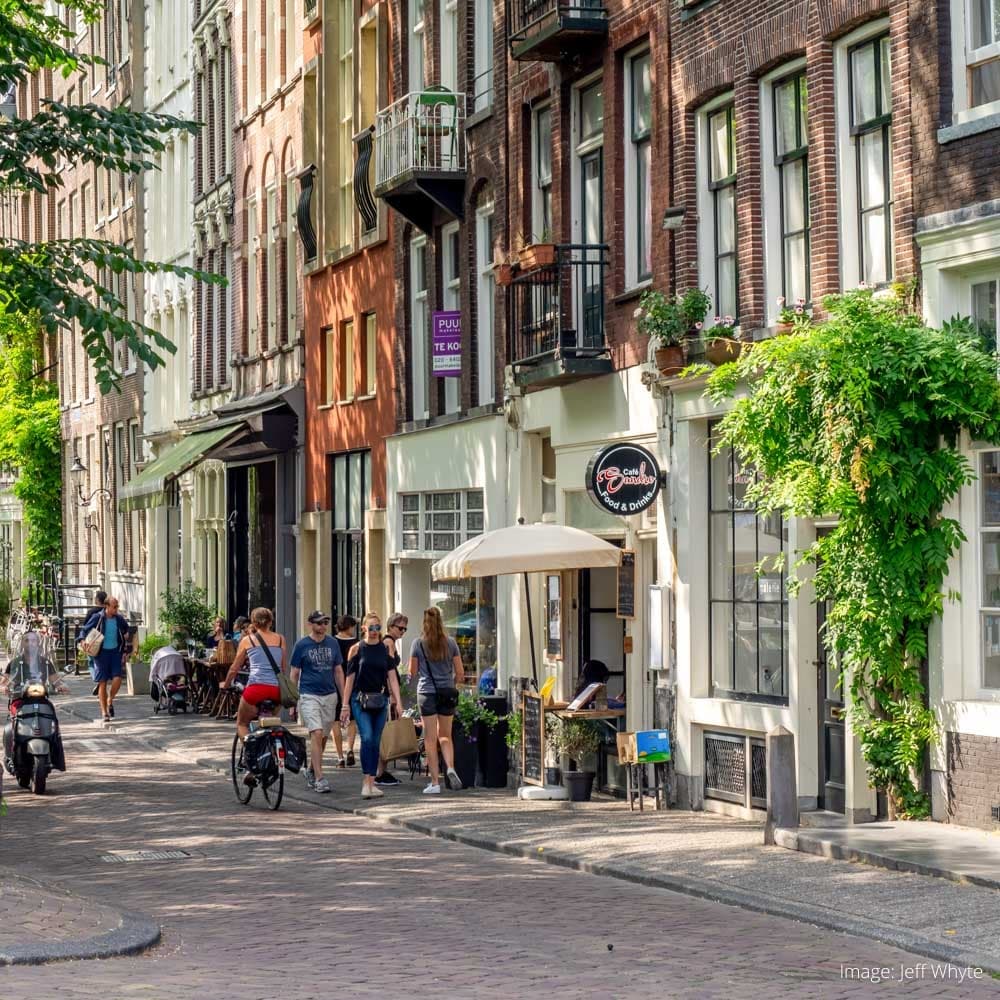
Spring is a time of renewal, and there's a palpable sense of hope and rebirth in the air when visiting the Anne Frank House during this season. The city's canals come alive with blossoming flowers, offering a scenic route for those walking to the museum. Inside, the atmosphere is often quieter compared to the busy summer months, allowing for a more contemplative experience as you wander through the hidden annex where Anne Frank and her family lived. It's also a poignant time to consider Anne's own words about hope and renewal, especially given that she wrote most of her diary during the spring and summer months of 1944.
Summer in Amsterdam is bustling, and the Anne Frank House is no exception. The long daylight hours offer more opportunities to visit, but it's advisable to book your tickets well in advance as this is peak tourist season. The city is vibrant, filled with outdoor activities and festivals, giving you a lively context within which to consider the somber history housed within the museum's walls. Air conditioning inside keeps the rooms cool, but the larger crowds can make the experience less intimate. It's a good idea to read Anne's diary beforehand, as the contrast between the joy of summer outside and the stories of confinement within may offer a more impactful understanding.
As the leaves change color and the air turns crisp, the Anne Frank House takes on a different character. The atmosphere is more subdued, matching the reflective mood of the season. Autumn is a particularly compelling time to visit, as fewer tourists are present, providing a quieter environment that may enhance the emotional impact of the museum. Anne Frank herself wrote about hearing the "beautiful spectacle" of birds singing outside the secret annex, a symbol of freedom she longed for. This makes an autumn visit a fitting time to engage with her story, as one can easily identify with the yearning and reflection that come naturally with this season.
Winter brings a sense of solemnity that is fitting for a visit to the Anne Frank House. The shorter days and cold weather create an environment that allows for deeper contemplation. The crowd size shrinks considerably in winter, providing you with more space and time to absorb the gravity of what took place within the annex. The Christmas period also offers a poignant time to reflect on themes of persecution and the hope for a better world, as Anne and her family celebrated Hanukkah in hiding, lighting candles in the face of darkness. Given the nature of Amsterdam winters, it's advisable to bundle up warmly before making your way to the museum.