In spring, the Westfjords gradually awaken as the snow begins to retreat, revealing the rugged terrain that was hidden under a thick winter blanket. Waterfalls are at their most impressive, fueled by melting snow. Travelers can explore the region's burgeoning birdlife at Látrabjarg, Europe's largest bird cliff, where puffins, guillemots, and razorbills start to return for the nesting season. The roads might still have some snow and ice, so plan for occasional delays while driving.
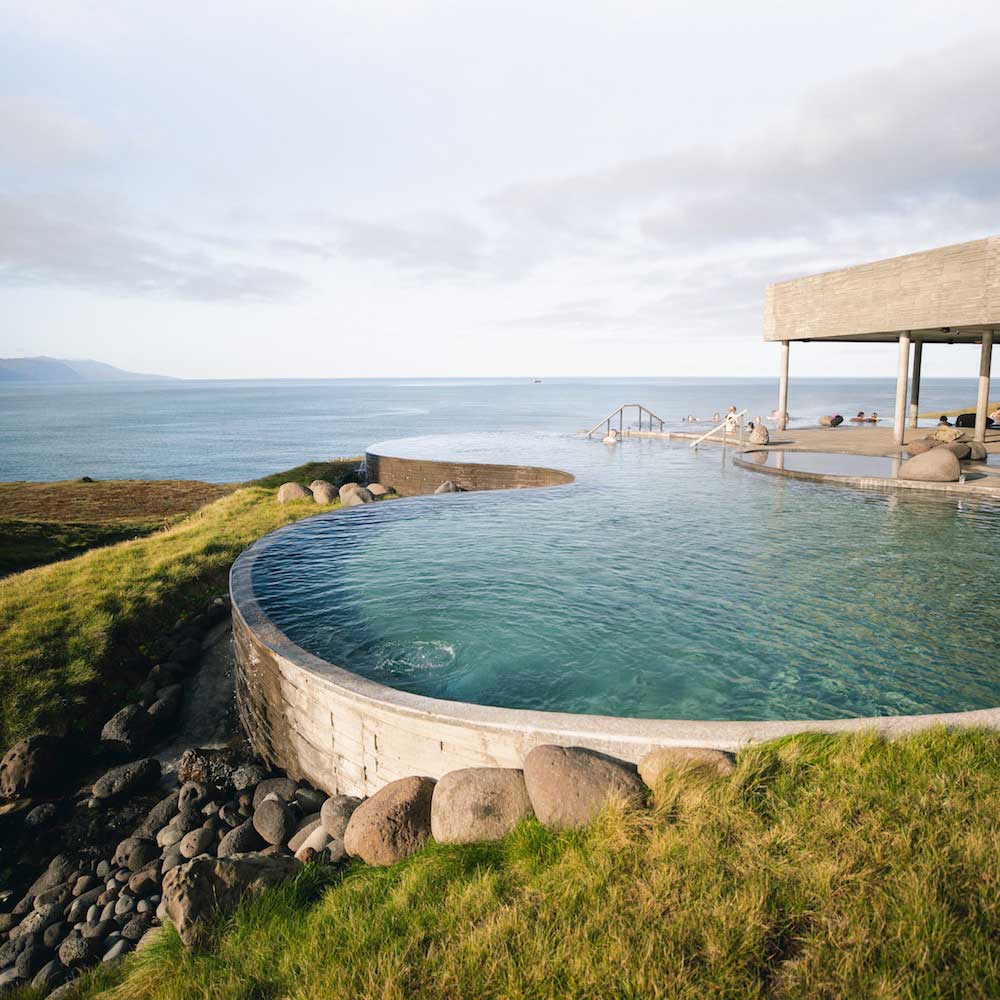
Summer is the prime time to visit the Westfjords, with nearly 24 hours of daylight creating ample opportunities for hiking, sightseeing, and enjoying local festivals. The temperature hovers around a cool 10 to 15 degrees Celsius, perfect for wandering the dramatic landscapes of Hornstrandir Nature Reserve, home to arctic foxes and a variety of bird species. Kayaking in the fjords or dipping in geothermal pools offers travelers a refreshing taste of Icelandic summer.
As summer wanes and autumn arrives, the Westfjords transform into a canvas of fiery oranges and reds. The thinning crowds make it a peaceful time to travel. Fall colors paint the slopes, and the fjords become quieter as migratory birds leave for warmer regions. It’s a great time to enjoy scenic drives, visit museums that share the region’s maritime heritage, and keep an eye out for the northern lights, which start making their appearance again as the nights lengthen.
In winter, the Westfjords are wrapped in a serene, icy silence. The region is known for its dramatic winter landscapes, with fjords flanked by towering, snow-covered cliffs. Travelers can marvel at frozen waterfalls and seek out the northern lights during the long, dark nights. While many roads may close due to snow, Ísafjörður remains accessible and serves as a cozy base for winter adventures like skiing, snowshoeing, or simply relaxing in the warmth of a guesthouse with panoramic views.