Spring at Dettifoss is a time of awakening. As the snow melts, the waterfall's flow becomes increasingly powerful, offering a dramatic spectacle. This period can be quite chilly, and visitors should be prepared for lingering patches of snow and ice. The access roads and paths may be just reopening, depending on weather conditions, so checking ahead is advisable. The stark contrast of the icy waterfall against the slowly greening landscape provides a unique photographic opportunity.
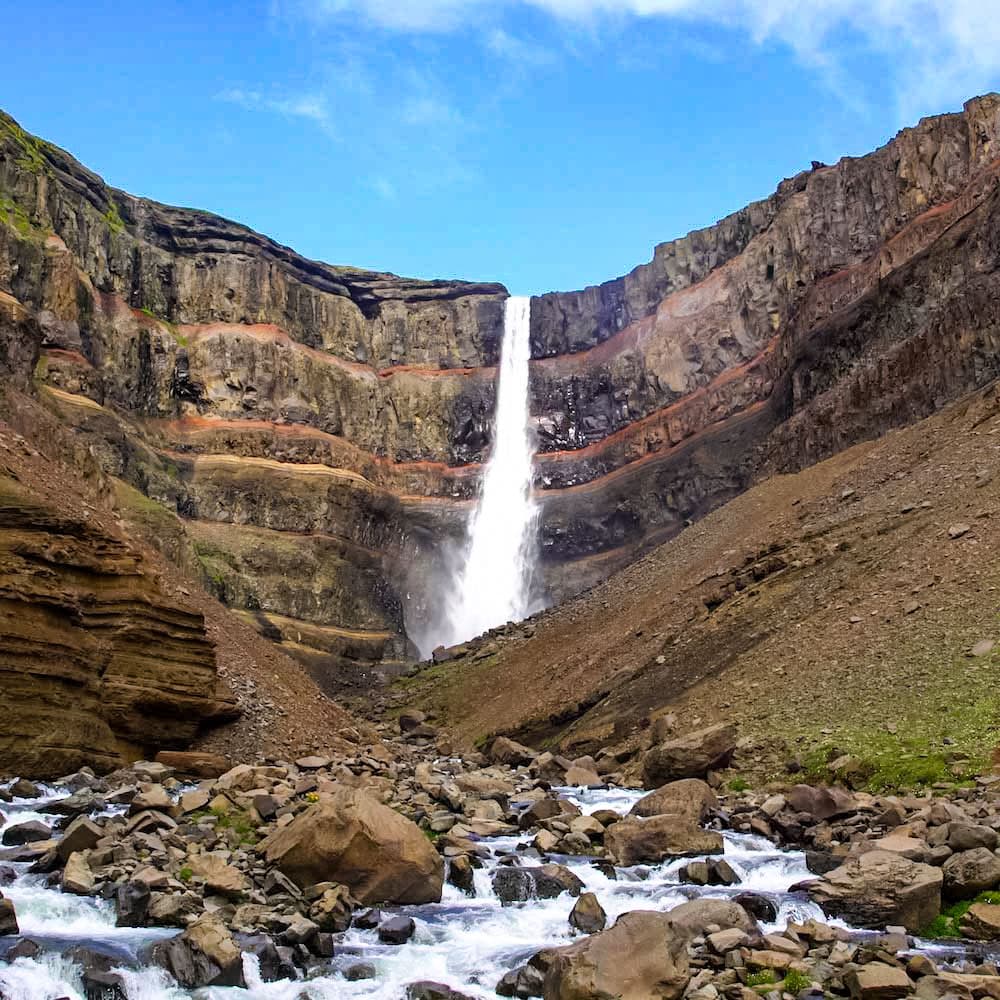
Summer is the peak season for visiting Dettifoss. The waterfall is in full force, fed by the glacial meltwaters, and the surrounding landscape is lush and accessible. Hiking trails are clear, making it easy to explore various viewpoints around the falls. Days are long, with near 24-hour daylight around the summer solstice, allowing ample time for visits and nearby attractions. However, it's also the busiest season, so expect more company on the trails and at viewing platforms.
Autumn brings a serene beauty to Dettifoss, with vibrant fall colors painting the surrounding tundra in hues of orange, red, and yellow. The visitor numbers dwindle, offering a more peaceful experience of the waterfall’s mighty roar. The weather can be unpredictable, ranging from sunny days to chilly winds, so layered clothing is essential. The contrast of the colorful foliage against the powerful, grey waters of the falls makes for striking views.
Winter transforms Dettifoss into a frozen wonderland. The waterfall might be partially or fully frozen, depending on the severity of the winter, creating a stunning icy sculpture crafted by nature. Access can be challenging, with snow and ice on the roads and paths, requiring proper winter gear and possibly a guided tour. The aurora borealis often lights up the night sky, adding a magical backdrop to the icy cascade, making it a remarkable, though rugged, winter destination.