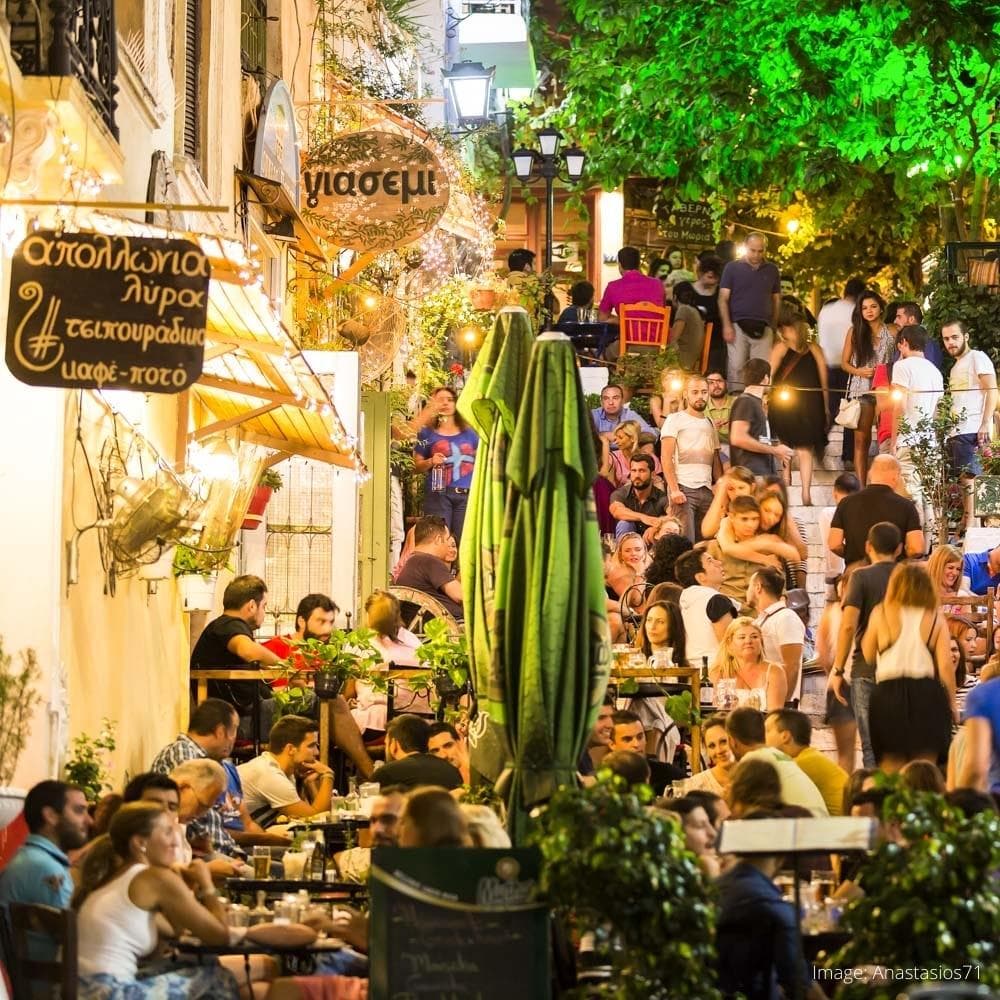
Visiting Hadrian's Arch in Athens during spring is a delightful experience. As the city emerges from the mild winter, the area around the Arch bursts into vibrant colors, with flowers blooming in nearby National Garden, creating a picturesque backdrop. The weather is pleasantly warm, but not yet the scorching heat of summer, making it ideal for leisurely walks and sightseeing. Tourists can enjoy the clearer skies and longer days, perfect for capturing stunning photos of the Arch with the blooming flora. Outdoor cafes near the site start bustling with activity, offering a great opportunity to savor Greek cuisine in a lively, yet comfortable atmosphere.
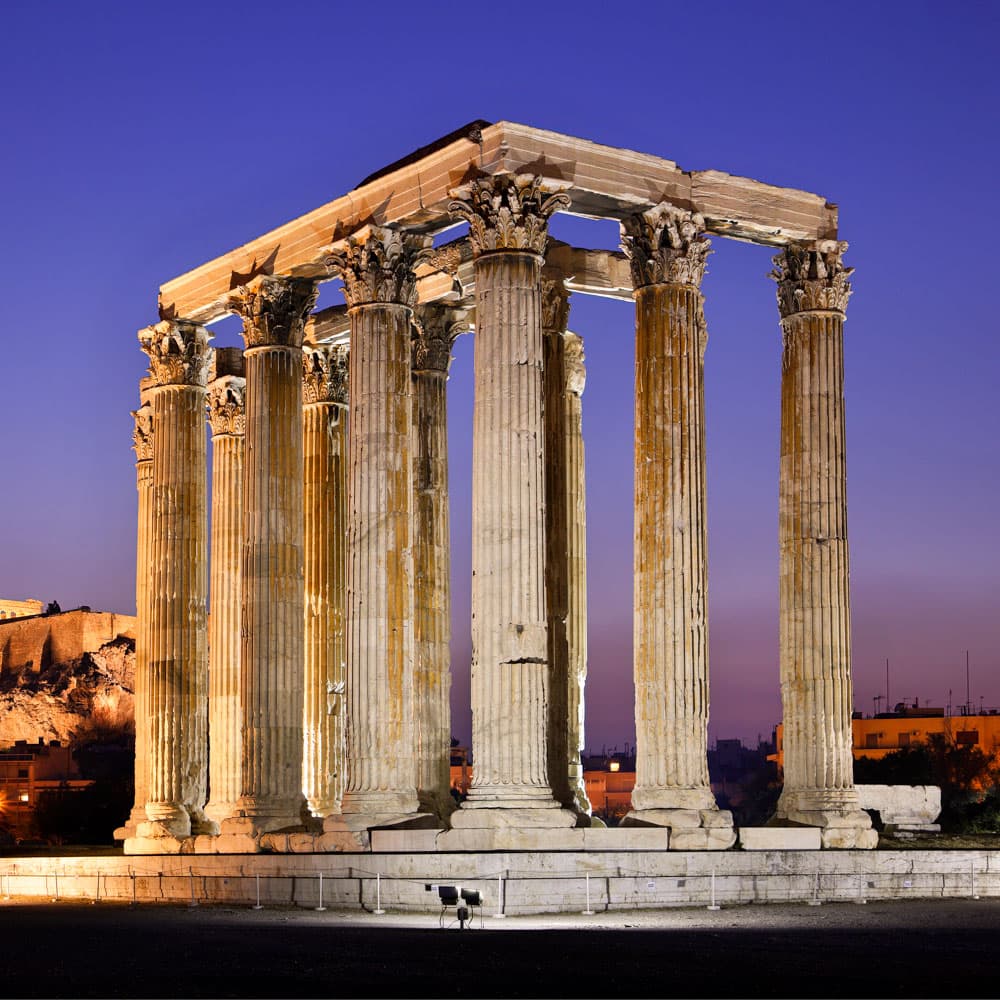
Summer at Hadrian's Arch in Athens is bustling with energy and tourists. The Greek sun is at its peak, casting a brilliant light over the ancient stones of the Arch, making early morning or late afternoon visits ideal to avoid the midday heat. This season offers the longest daylight hours, giving visitors ample time to explore. The vicinity of the Arch becomes a hub for cultural activities, with street performers and local vendors adding to the lively ambiance. However, visitors should be prepared for the heat by wearing light clothing, sunscreen, and staying hydrated. Summer evenings are particularly magical, as the Arch is often illuminated, creating a captivating scene against the night sky.
Autumn brings a refreshing change to Hadrian's Arch in Athens. The sweltering heat of the summer gives way to cooler, more comfortable temperatures. The city's pace slows down, providing a more relaxed atmosphere for visitors. The changing colors of the leaves in the surrounding areas add a rustic charm to the Arch, enhancing its ancient beauty. This season is ideal for those who wish to avoid the summer crowds and enjoy a more intimate experience with the historical site. The softer autumn light is perfect for photography, capturing the Arch in a unique, less harsh light than the summer.
Winter at Hadrian's Arch in Athens offers a unique experience. The cooler weather means fewer tourists, allowing for a more tranquil visit. The mild Mediterranean winter rarely sees snow, so the Arch remains accessible and its details more pronounced against the crisp winter sky. The holiday season brings festive decorations in the city, adding a cheerful ambiance. Visitors should dress warmly, as the temperatures can be brisk, especially in the evenings. Winter is ideal for those seeking a quieter, more reflective visit to this ancient monument, with the opportunity to see it against the stark beauty of winter skies.