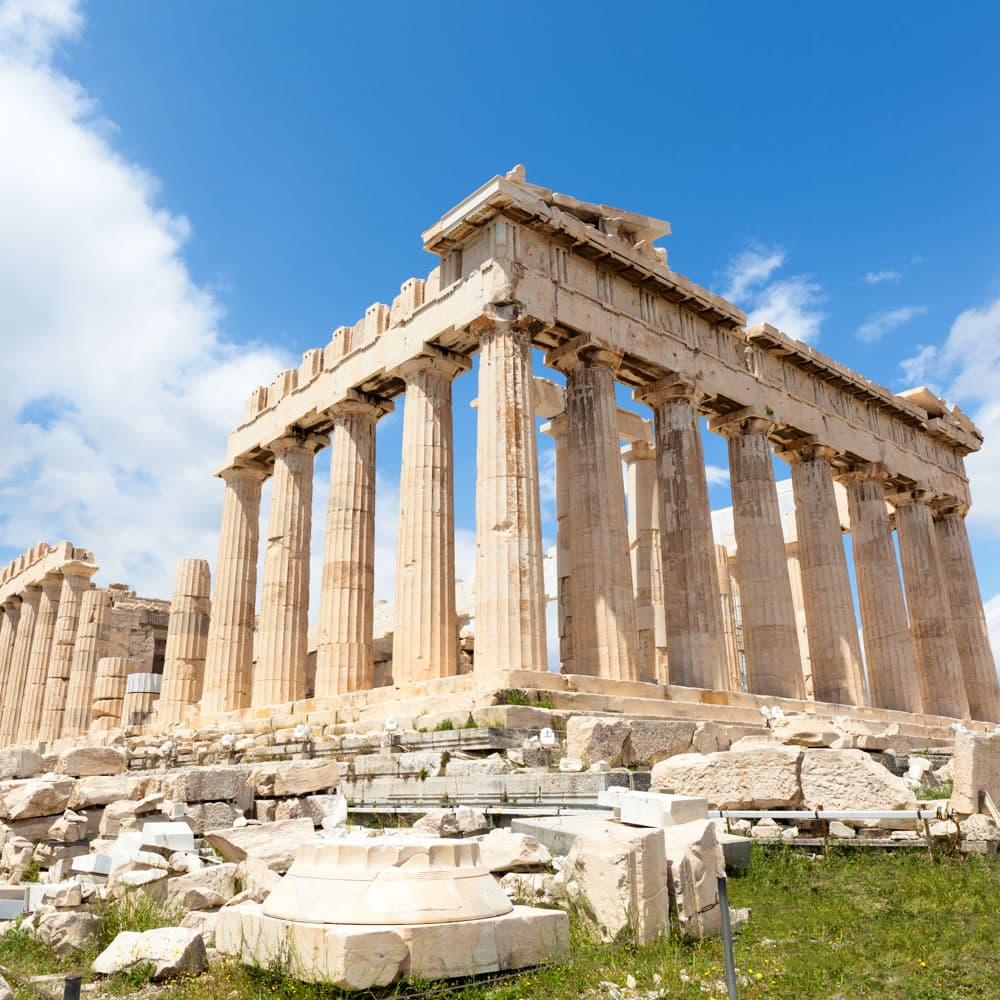
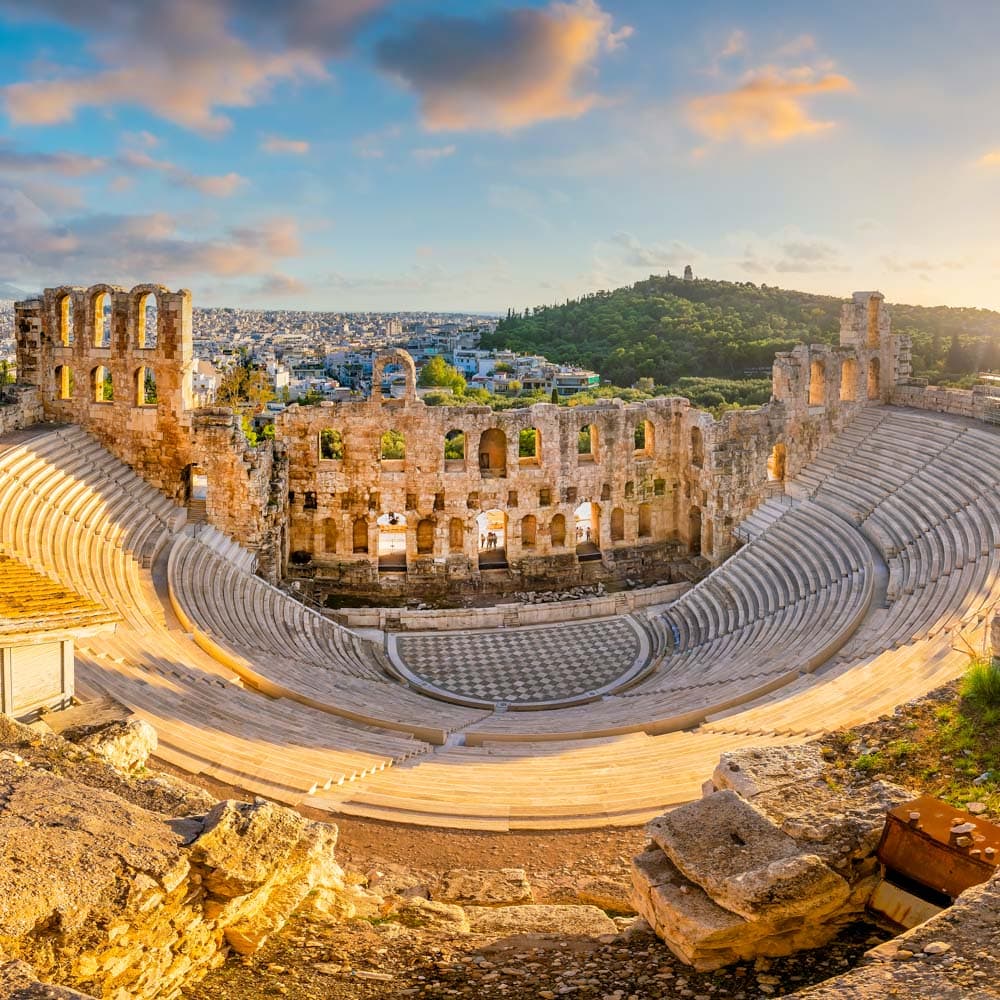
Visiting the Acropolis in Athens during spring is a rejuvenating experience. As the city shakes off the chill of winter, a gentle warmth begins to envelop the ancient stones. The skies are a clear, brilliant blue, offering perfect conditions for photography. The surrounding landscapes are lush and green, with wildflowers blooming around the historic site, adding vibrant splashes of color. Tourist numbers are moderate in spring, making it an ideal time to explore the Parthenon and other monuments without the summer crowds. The mild weather is perfect for leisurely walks around the Acropolis Hill, allowing visitors to fully absorb the historical and cultural significance of this ancient wonder.
Summer at the Acropolis in Athens is a lively and energetic time. The Greek sun shines fiercely, making early morning or late afternoon visits more comfortable. This season sees the highest number of tourists, bringing a vibrant, bustling atmosphere but also longer waiting times and crowded viewpoints. Carrying water and wearing sun protection is essential due to the high temperatures and lack of shade. Despite the heat, summer brings unique charms, like the extended daylight hours providing more time to explore and the chance to witness stunning sunsets from the Acropolis, casting a golden hue over the ancient structures and the city below.
Autumn brings a tranquil beauty to the Acropolis in Athens. The intense heat of summer gives way to cooler, more comfortable temperatures, making it an excellent time for exploring the ruins at a relaxed pace. The crowds of tourists dwindle, allowing for a more intimate experience with the ancient structures. The light in autumn is softer, casting a warm, golden glow that highlights the architectural details of the Parthenon and other monuments, making it a fantastic time for photography. The changing colors of the foliage in and around the Acropolis add a picturesque backdrop to the historic site, enhancing its timeless beauty.
Winter at the Acropolis in Athens offers a unique and serene experience. The tourist crowds are at their lowest, allowing for a peaceful exploration of the ancient ruins. The weather is cooler, sometimes brisk, but Athens rarely experiences extreme cold, making it comfortable for visitors to spend time outdoors. The clear winter light brings a crisp clarity to the monuments, accentuating their majestic presence against the winter sky. Occasional rain can occur, so carrying an umbrella is advisable. The quiet atmosphere of winter provides a reflective, almost mystical experience, giving visitors a deep sense of connection to the ancient history that envelops this iconic site.