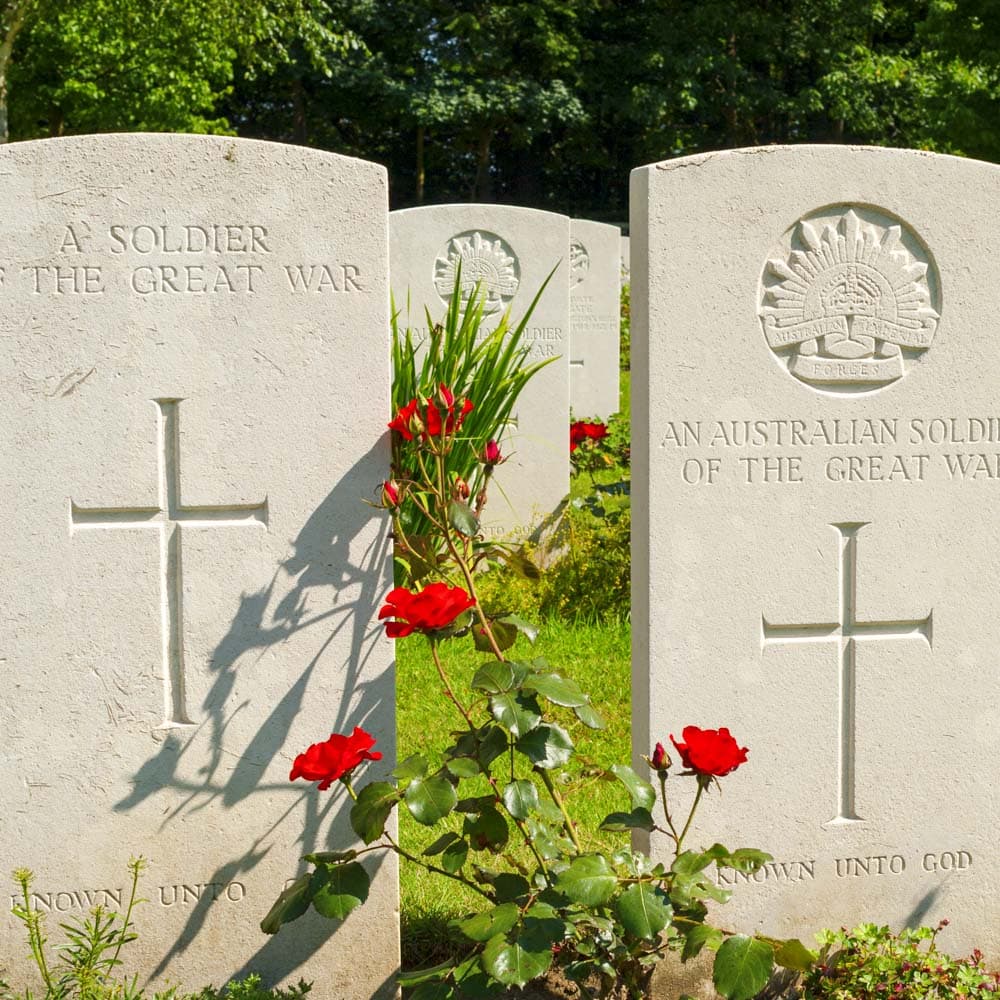
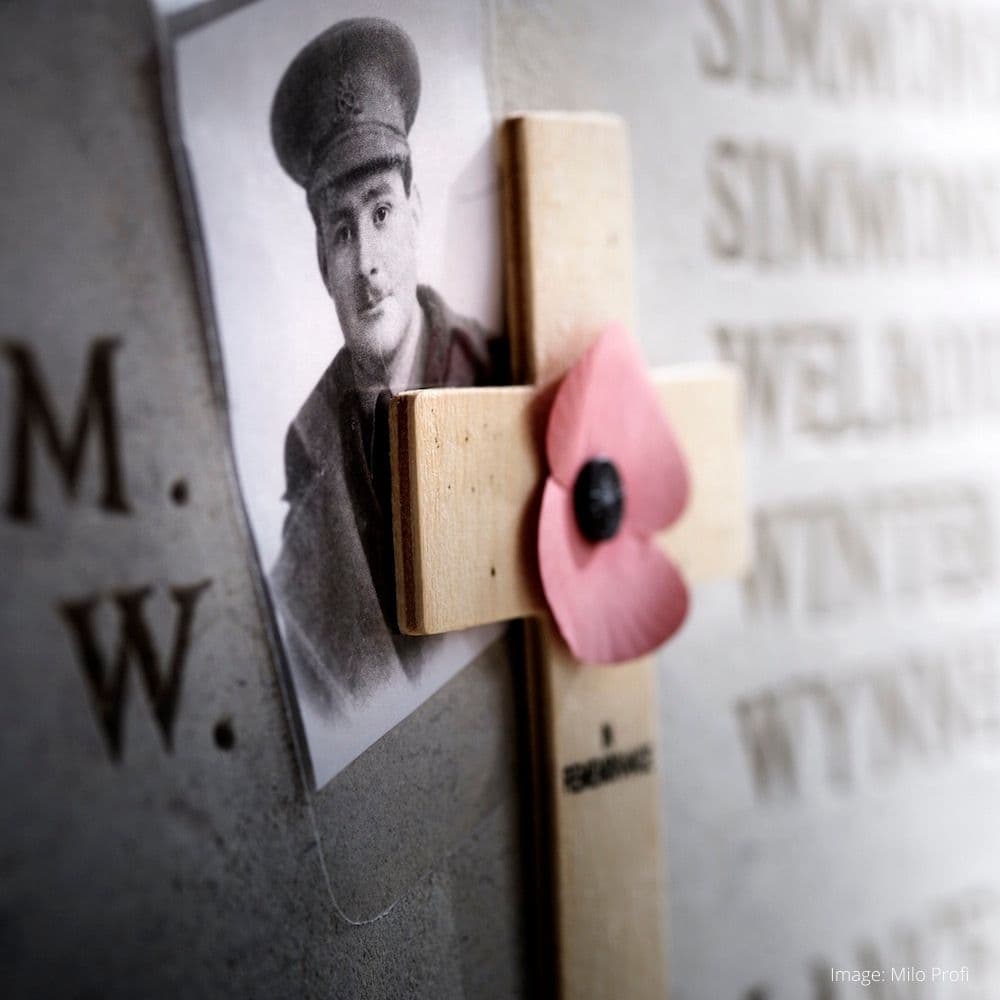
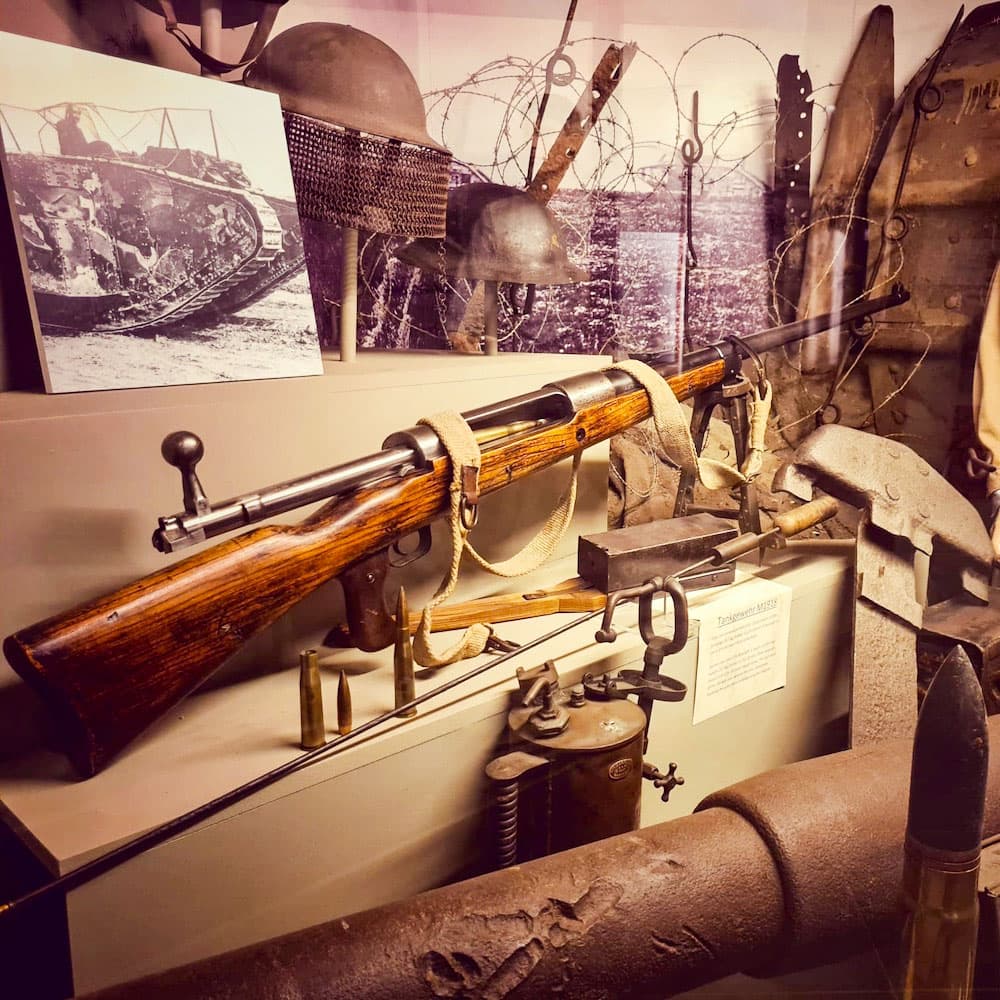
Visiting the Memorial Museum Passchendaele 1917 in spring offers travelers the unique opportunity to witness the rebirth of the Belgian countryside amidst a site steeped in history. As the snow melts away, the grounds around the museum bloom with wildflowers, offering a stark yet beautiful contrast to the tales of bravery and sorrow housed within. Springtime not only brings milder weather but also the chance to participate in Anzac Day commemorations, providing a poignant reminder of the sacrifices made during the Great War. With fewer tourists around, visitors can take their time exploring the exhibits and the surrounding area in relative tranquility.
Summer is a vibrant time to visit the Memorial Museum Passchendaele 1917. The warm weather and longer days make it ideal for exploring the museum's extensive outdoor displays, including reconstructed trenches and craters, which offer a haunting glimpse into the battlefield conditions of World War I. The lush, green surroundings of the Flanders fields are in full bloom, serving as a living memorial to those who fought and fell. Summer also brings various special events and reenactments at the museum, allowing visitors to immerse themselves in the history with the backdrop of the beautiful Belgian summer.
Autumn brings a serene beauty to the Memorial Museum Passchendaele 1917, with the changing leaves painting the landscape in warm hues of gold, orange, and red. This season reflects the solemn atmosphere of remembrance, leading up to November's Armistice Day, when the museum hosts special ceremonies and events to honor the end of World War I. The cooler temperatures and the crisp autumn air make it a perfect time for thoughtful exploration of both the museum's indoor galleries and its outdoor memorials, which stand as silent, poignant reminders of the past amidst the natural beauty of the season.
Winter at the Memorial Museum Passchendaele 1917 offers a somber, reflective visitation experience. The cold, often misty weather envelops the site in a quiet hush, emphasizing the solemnity of the museum and its significance as a site of memory and reflection. Visitors in winter can experience the starkness of the battlefields, now peaceful under a blanket of frost or snow, which adds a layer of poignancy to the visit. Indoor exhibitions and memorials provide a warm refuge, inviting guests to delve deeply into the stories and artifacts of the Great War, perhaps with fewer crowds, allowing for a more personal connection to the history shared within its walls.