Spring offers a fresh perspective on Hill 60, with the landscape coming to life after the winter. The weather is mild, making it comfortable for exploring the site's World War I history. This season sees the land around the memorials and trenches begin to bloom, providing a stark contrast to the somber reminders of battle. It's a good time for those interested in both natural beauty and historical significance.
Summer at Hill 60 means longer days and warmer weather, ideal for thorough exploration. The site is more populated with visitors, but this also means more activities and tours are available. The vegetation is lush, and the extended daylight hours allow for late evening visits, offering a different perspective on the memorials and the surrounding landscape.
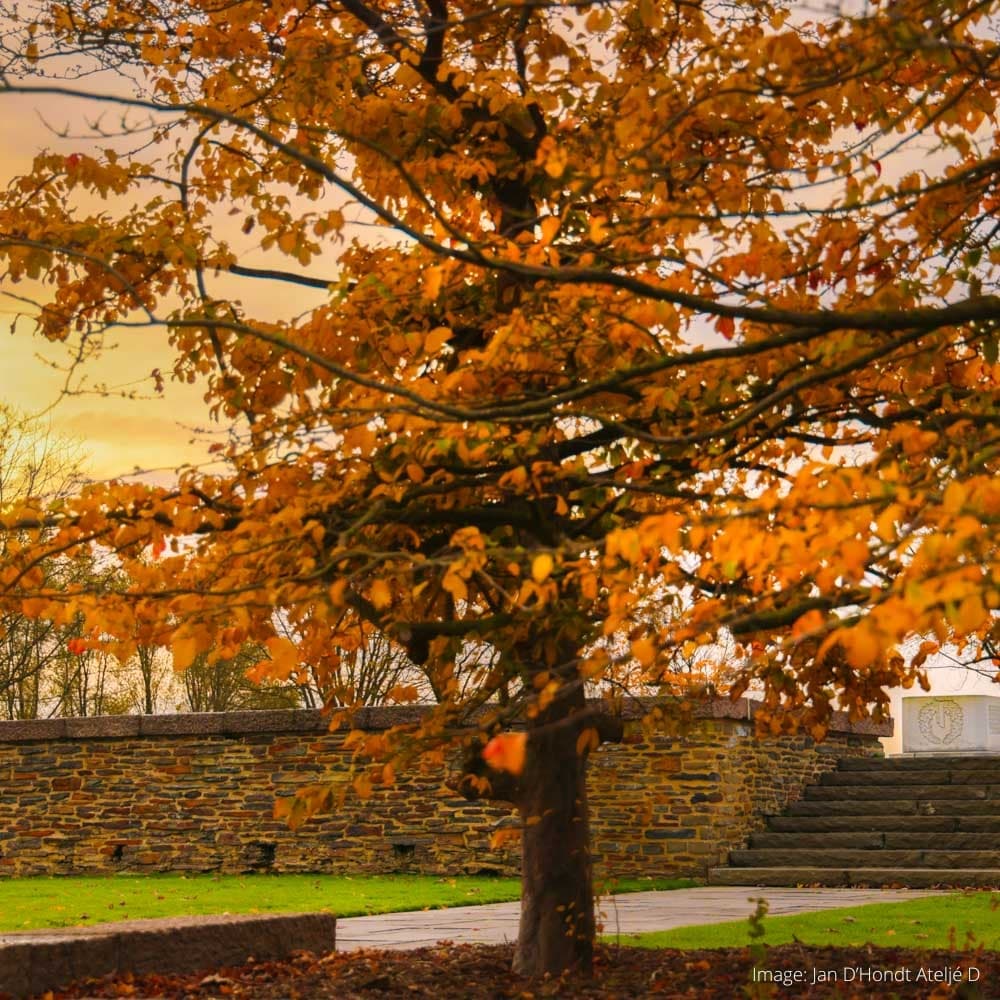
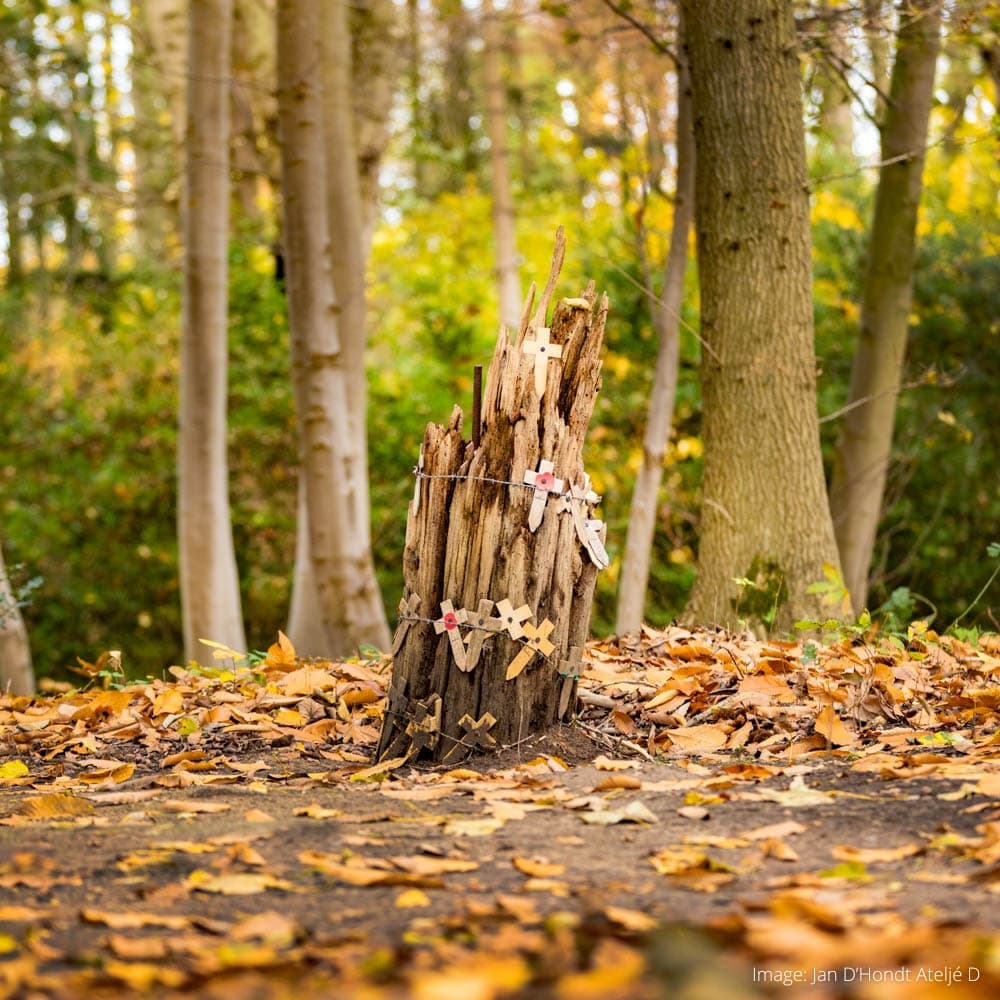
Autumn brings a change in the landscape's color palette, with the foliage turning vivid hues. Cooler temperatures and fewer tourists make for a more contemplative visit. The historical significance of Hill 60 can be appreciated in a quieter setting, and the changing leaves provide a beautiful backdrop for photographs and peaceful walks.
Winter offers a stark, quiet beauty to Hill 60, with the potential for snow to cover the ground, emphasizing the solemnity of the site. The cold can be biting, but it also means fewer visitors and a more personal experience. The landscape takes on a different character, one that highlights the enduring nature of the memorials amidst the harshness of winter.