Spring in Flanders Fields is a time of renewal and remembrance. As the landscape awakens with the first warmth of the year, visitors can expect to see the fields and gardens around Ypres and the surrounding areas begin to bloom, including the iconic poppies that have come to symbolize peace and remembrance. The mild weather is ideal for walking tours of the WWI battlefields, memorials, and cemeteries. Spring also marks the anniversary of several significant battles in the area, and visitors may have the opportunity to participate in special commemorative events and ceremonies.
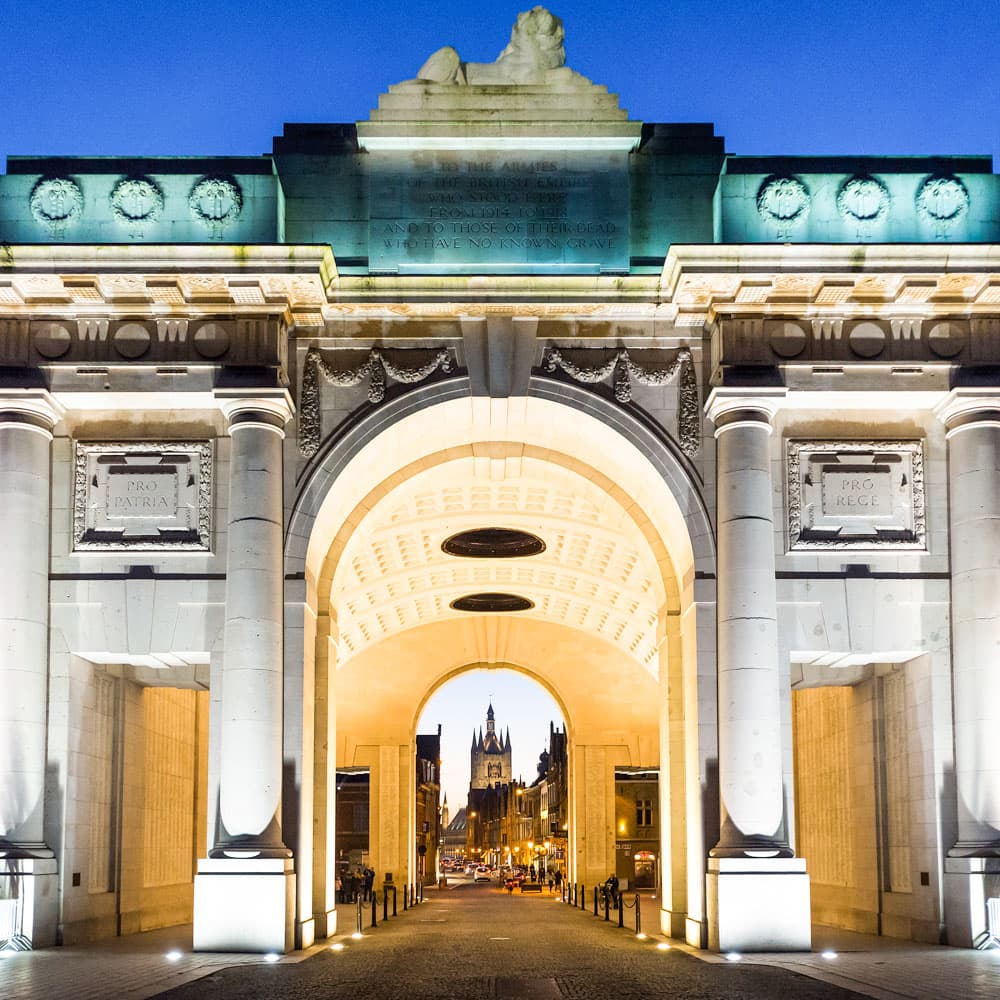
Summer brings long days and warmer weather, perfect for exploring the rich history and natural beauty of Flanders Fields. The summer months are busy with tourists, making it a vibrant time to visit. Guided tours offer insights into the region's pivotal role in World War I, and visitors can explore trenches, bunkers, and museums at their own pace. The Menin Gate Memorial in Ypres, where the Last Post ceremony is held every evening, is particularly moving under the summer sky. Outdoor enthusiasts can also enjoy cycling or walking along the peaceful countryside routes that crisscross the battlefields and memorial sites.
Autumn in Flanders Fields is a season of poignant beauty. The changing leaves and softer light add a reflective mood to the landscapes that once witnessed some of the fiercest fighting of the Great War. This time of year is ideal for those looking to deeply explore the historical context of the area without the crowds of summer. The cooler temperatures are perfect for hiking and cycling through the region, and the autumn harvest brings a bounty of local flavors to savor, from Belgian chocolates to hearty stews and world-renowned beers.
Winter transforms Flanders Fields into a serene and stark landscape, offering a different kind of beauty. The cold months are a quiet time for contemplation and understanding the profound history of the area. Frost and snow can occasionally cover the ground, giving the war cemeteries and memorials a solemn and ethereal appearance. It's a season for indoor activities too, with the chance to visit museums and exhibitions that detail the life of soldiers and the local war effort without the rush of peak tourist seasons. Winter also offers the unique opportunity to see the region in a different light, with the Christmas Truce of 1914 commemorated in various ways, including special events and reenactments.