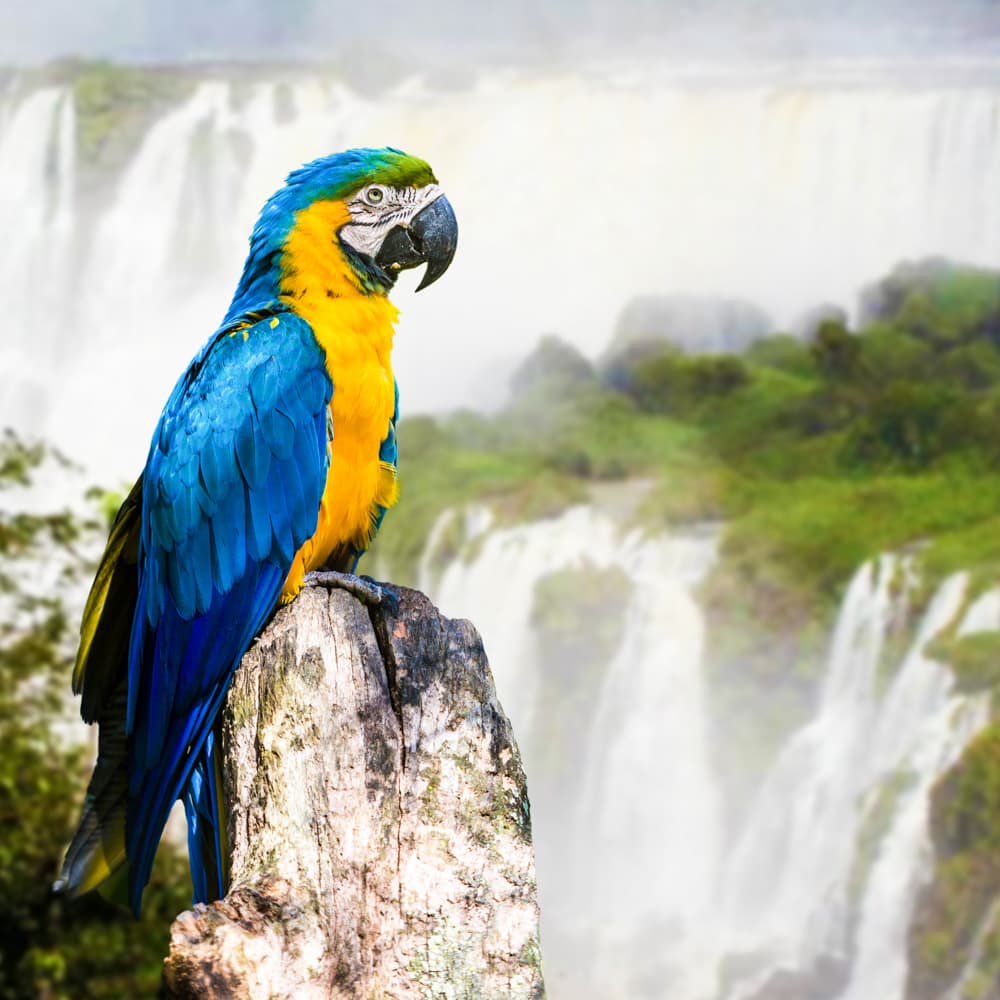
As spring breathes new life into the landscapes of Brazil, the Sucuri River becomes a vivid canvas of flourishing flora and fauna. This season is perfect for nature enthusiasts eager to witness the awakening of aquatic plants and the vibrant colors under the crystal-clear waters. The river's visibility is at its peak, offering unparalleled snorkeling experiences where you can glide over underwater gardens teeming with life. Spring is also an excellent time for bird watching, as many species return to the area, filling the air with their melodious calls.
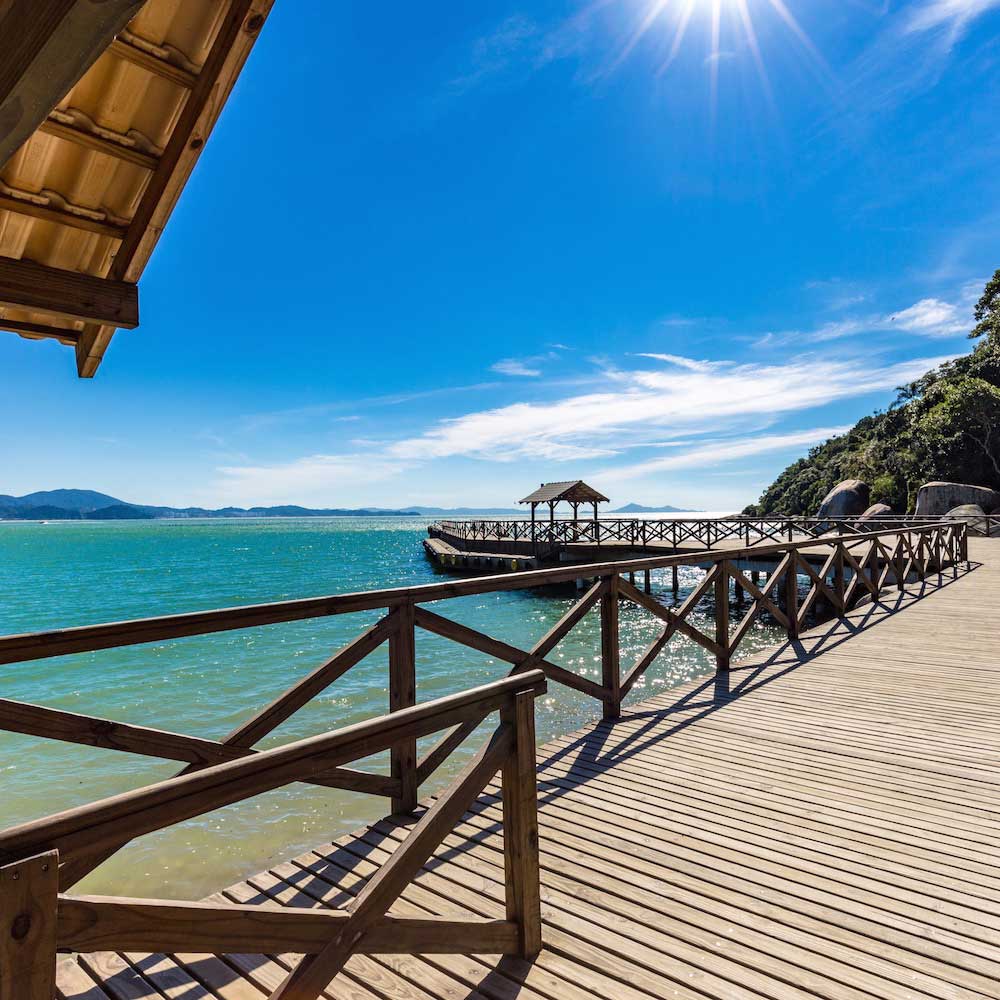
Summer at the Sucuri River is a blissful escape for those looking to bask in the warmth of the Brazilian sun. The water temperature is pleasantly warm, making it ideal for extended snorkeling and swimming sessions. The lush greenery surrounding the river creates a serene backdrop for kayaking and stand-up paddleboarding. It's also the peak season for tourists, so visitors can expect a lively atmosphere and the opportunity to join guided tours that explore the river's natural wonders and hidden corners.
Autumn brings a sense of tranquility to the Sucuri River, with fewer tourists and a gentle cooling of the air and water temperatures. This season is perfect for visitors who prefer a more serene experience, allowing for quiet moments of contemplation and uninterrupted exploration of the river's depths. The changing colors of the foliage create a picturesque setting for photography enthusiasts. Additionally, the clear skies and stable weather conditions make it an ideal time for eco-tours, where you can learn about the local ecosystem and conservation efforts.
Winter transforms the Sucuri River into a serene, mystical destination, with misty mornings that slowly reveal the untouched beauty of the region. Despite cooler air temperatures, the water remains surprisingly warm, thanks to the river's natural springs, inviting the bravest adventurers for snorkeling. It's a season of clarity, both in the water and in the skies, offering stargazers spectacular views on clear nights. Winter is also when the region's unique wildlife, including rare bird species and aquatic creatures, can be observed in a peaceful, crowd-free environment.