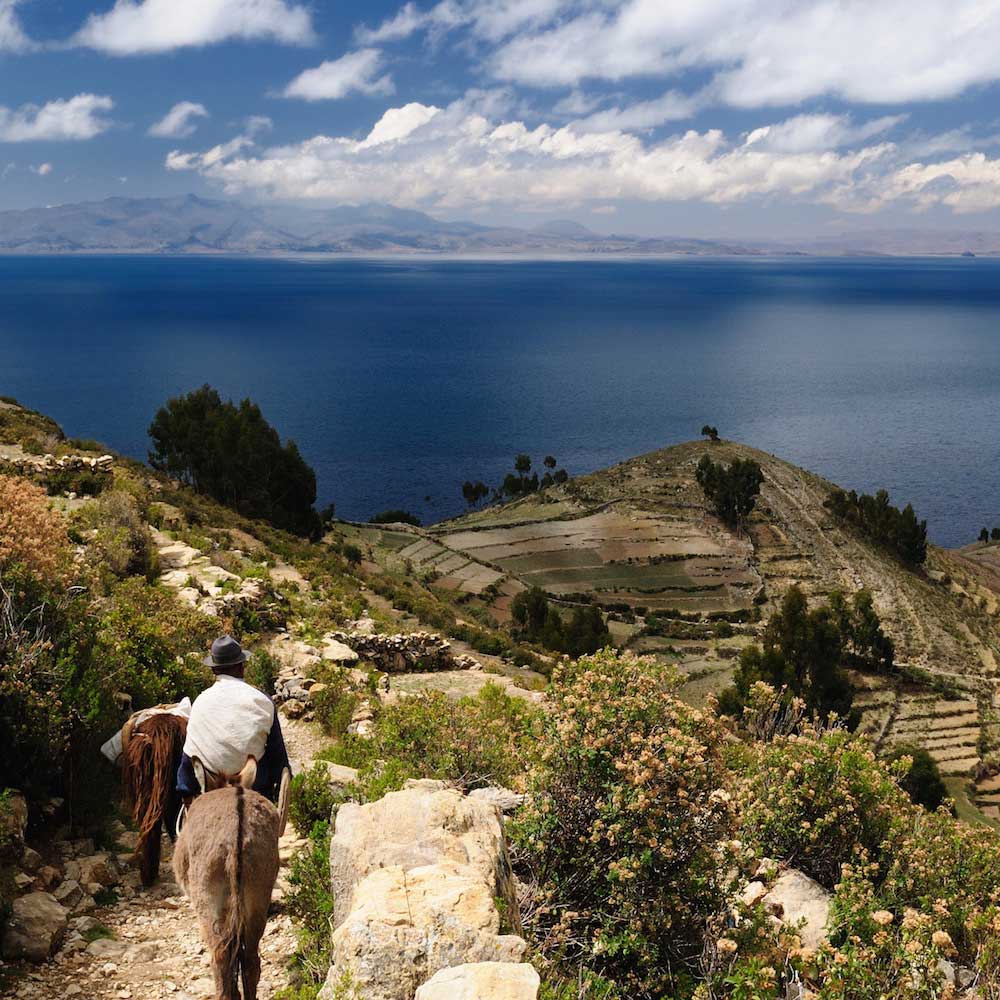
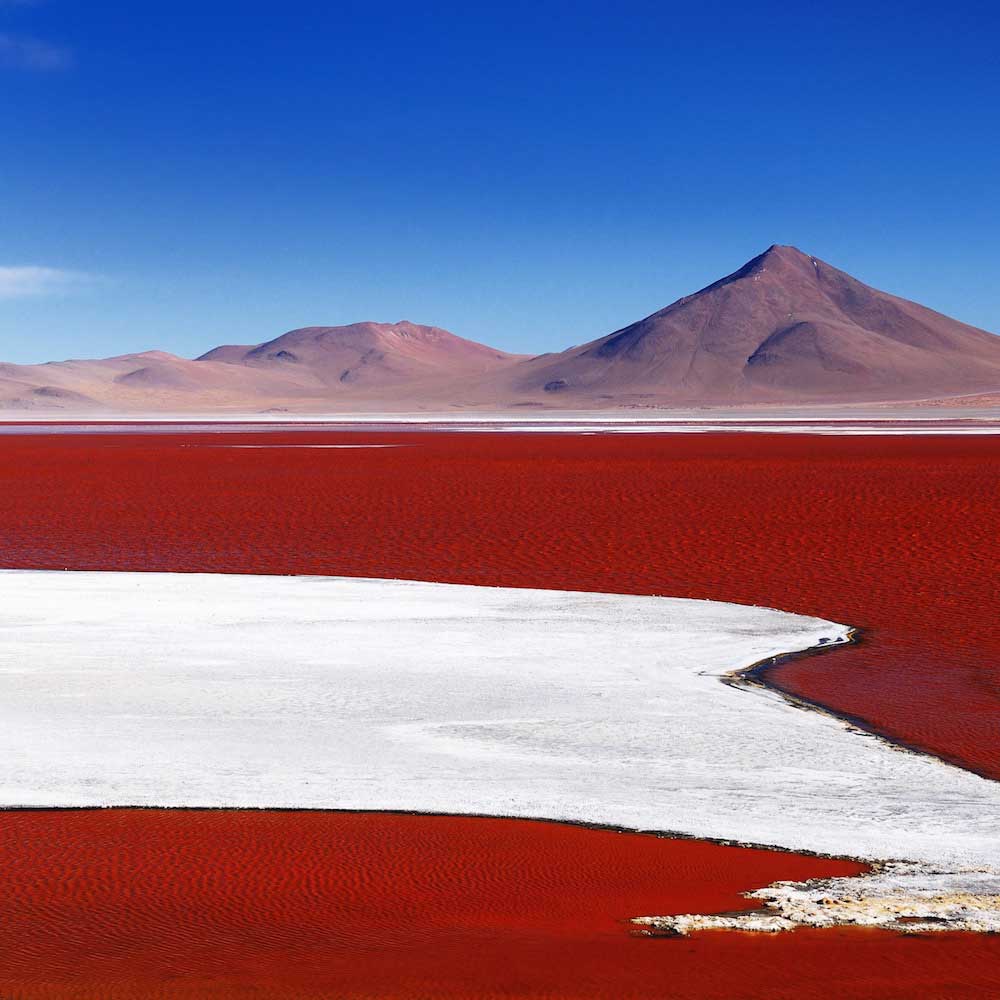
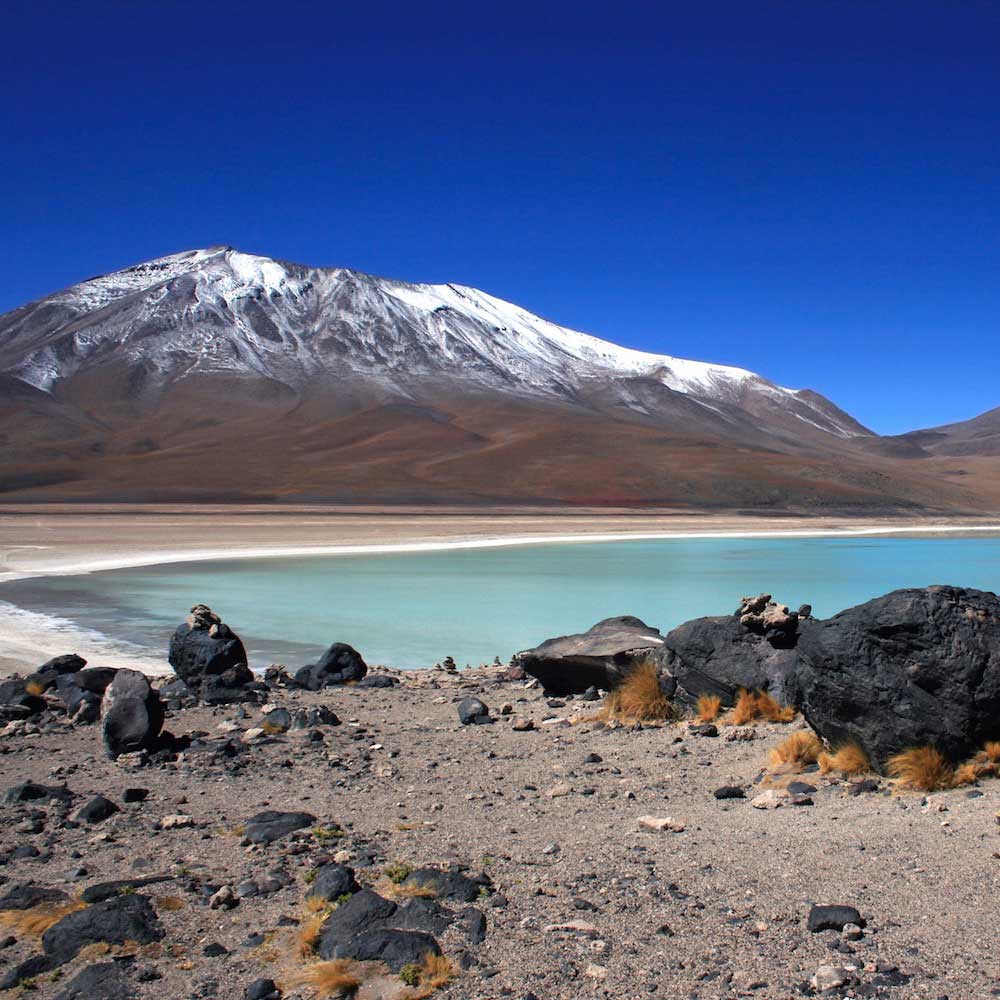
Springtime in Uyuni is a period of transformation, as the landscape begins to dry from the winter's wetness. This is an excellent time for photographers and travelers seeking the iconic reflective salt flats, though the water levels start to recede. The weather is getting warmer, but nights can still be quite cold. It's a season of renewal, with wildflowers starting to bloom at the edges of the salt flats and in the surrounding highlands, offering picturesque landscapes. Wildlife, including flamingos at nearby lagoons, becomes more active, providing an added bonus for nature enthusiasts.
The summer months coincide with the rainy season, presenting the Uyuni Salt Flats in their most magical form. The thin layer of water covering the salt creates a vast mirror, perfectly reflecting the sky and clouds above, offering surreal landscapes that feel like walking on the sky. This is the best time to witness this unique phenomenon, but travelers should be prepared for wet conditions and possible disruptions in travel plans. The temperatures are warmer during the day, but rain showers are common, especially in the afternoons.
Autumn is a transitional period, with the early months still offering the last glimpses of the reflective salt flats before they dry out completely. As the season progresses, the climate becomes drier and cooler, making it more comfortable for exploring. The visibility improves, and the skies are often clear, offering unobstructed views of the starry night sky, which is a treat for astrophotographers and stargazers. It's a less crowded time to visit, providing a more solitary experience of the vast, empty salt flats.
Winter brings cold temperatures, especially at night, with frost and even snow occasionally dusting the salt flats, creating a stark, otherworldly landscape. Despite the chill, this is a popular time for visitors seeking the crystal-clear skies and the perfect conditions for capturing the Milky Way and star-filled nights. The dry weather during the day makes it easier to explore the salt flats and nearby attractions like the train graveyard and cactus-filled islands. The sharp contrast between the bright white salt and the deep blue sky creates breathtaking vistas, making winter a favorite for photographers and adventurers alike.