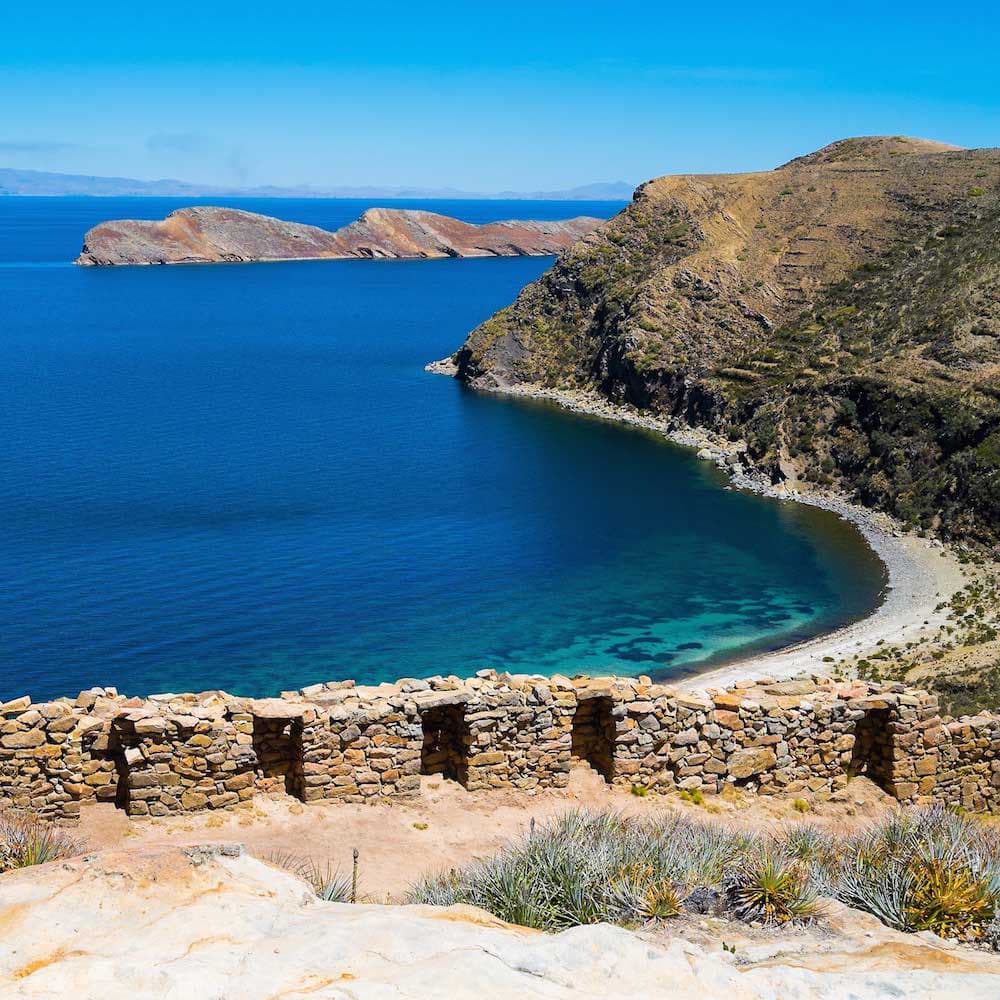
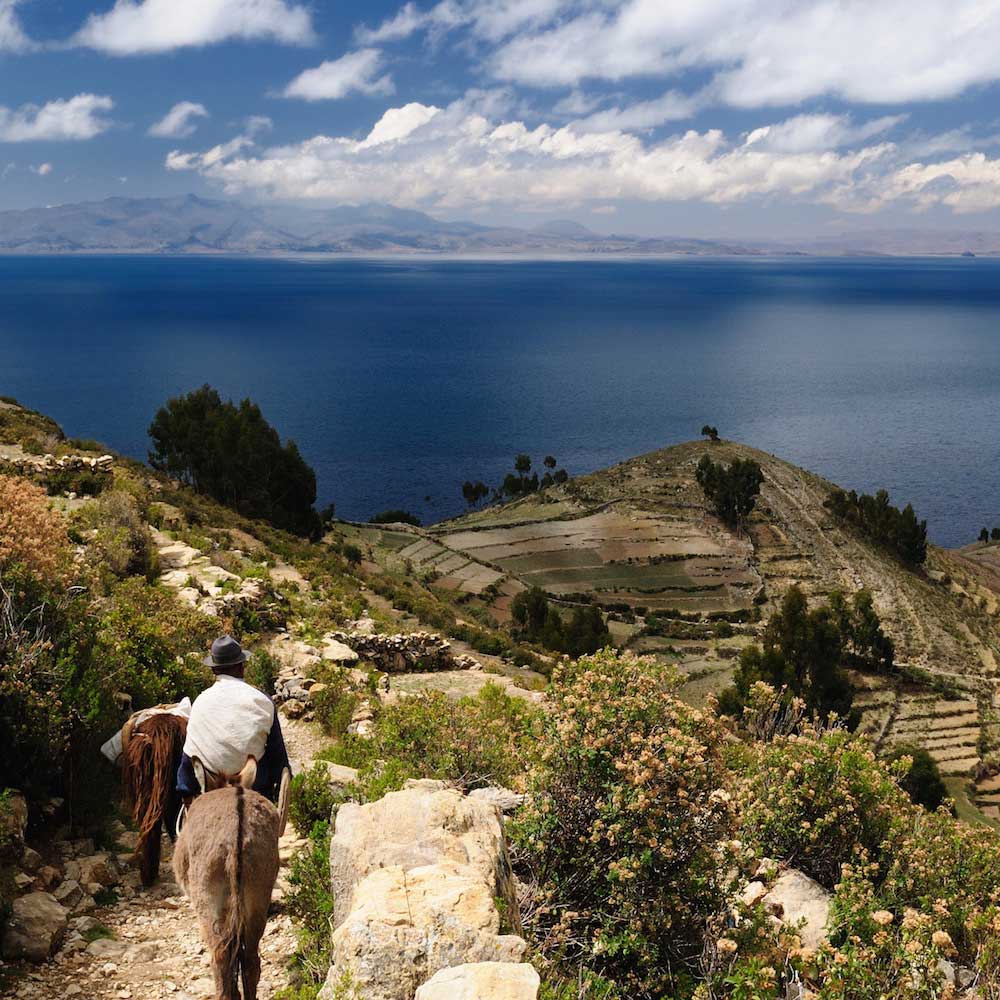
Spring in Copacabana breathes life into the landscapes with blooming flowers and the greening of hills around Lake Titicaca, creating a picturesque setting for hiking, kayaking, and exploring ancient ruins. The weather warms up, inviting outdoor enthusiasts to enjoy the natural beauty and tranquility before the peak tourist season arrives. This period offers a serene backdrop for those looking to immerse themselves in the town's rich cultural tapestry and stunning natural environments.
Summer transforms Copacabana into a vibrant hub for beach and water activities along the shores of Lake Titicaca. Despite being the rainy season, the sunny mornings and clear skies are perfect for visiting sacred Incan sites on the nearby islands. The season is characterized by a lively atmosphere, especially during the Festival of Candelaria, where the town comes alive with cultural festivities, including music, dance, and traditional ceremonies that highlight Bolivia's rich heritage.
Autumn sees a quieter Copacabana, as the pace slows and the landscape takes on a golden hue. This season is ideal for those seeking peace and solitude, offering cooler weather and calm waters for reflection and relaxation. It's a time when travelers can enjoy leisurely strolls along the beach, boat rides on the lake, and the local cuisine, which is enriched by the season's harvest. The diminishing crowds make it easier to engage with locals and gain a deeper understanding of their customs and way of life.
Winter showcases a starkly beautiful side of Copacabana, with crisp, sunny days and cold nights. The surrounding mountains, often capped with snow, frame Lake Titicaca's deep blue waters, offering breathtaking views. This season is perfect for cultural explorations, visiting colonial churches, and enjoying the warmth of Bolivian hospitality. The clear night skies also provide a splendid opportunity for stargazing, adding a touch of magic to the winter experience in Copacabana.