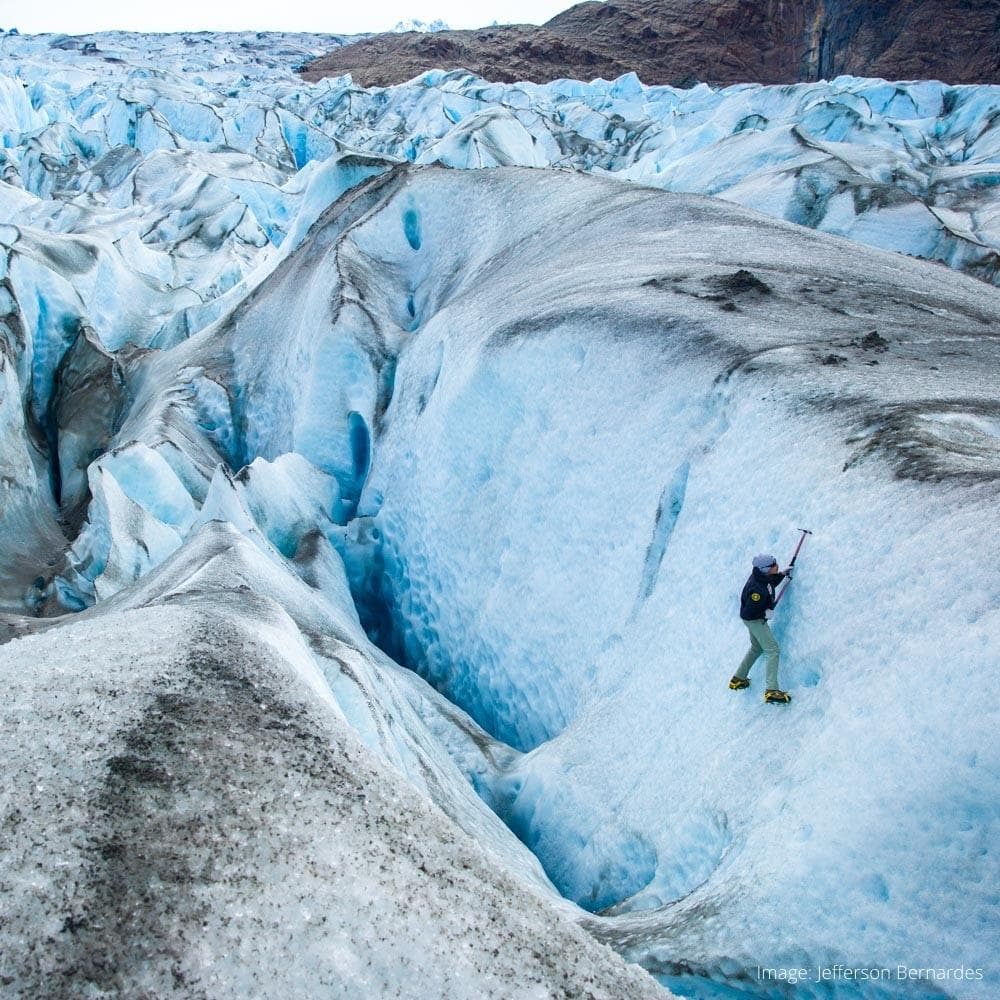
Spring is a season of awakening at the Perito Moreno Glacier. As the weather starts to warm, the ice melts more rapidly, creating a dynamic landscape of calving icebergs that thunderously break off and plunge into the lake below. This is an excellent time for photography enthusiasts to capture the vibrant contrast between the blooming flora and the pristine ice. The temperatures are still cool, ranging from 8°C to 15°C (46°F to 59°F), making it ideal for hiking around the national park without the summer crowds.
Summer offers the warmest weather and the longest days, perfect for exploring the glacier and its surroundings. With temperatures hovering between 13°C and 20°C (55°F to 68°F), visitors can enjoy boat tours that get up close to the glacier's towering front walls, kayak excursions on the lake for a different perspective, or trekking on the glacier itself with experienced guides. The clear skies and mild weather also make it a fantastic season for camping and wildlife watching, as many species are more active and visible.
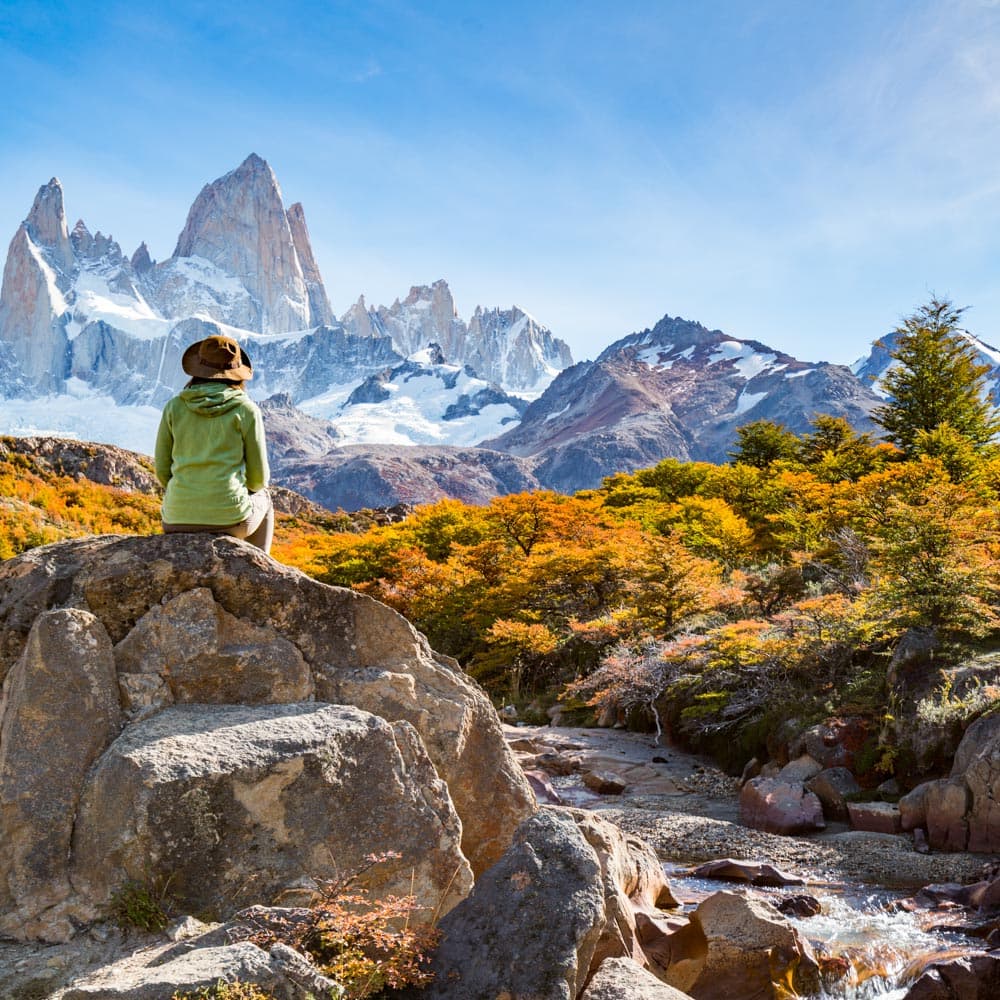
Autumn brings a magical transformation to the landscape around Perito Moreno Glacier, with the forests turning into stunning shades of orange, red, and yellow. The cooler temperatures, ranging from 5°C to 15°C (41°F to 59°F), and the diminishing tourist crowds make it a peaceful time to visit. The ice remains robust, and the lower water levels in the rivers and lakes reveal more of the glacier's base, offering a unique view of its magnitude. This season is ideal for those seeking tranquility and the opportunity to experience the natural beauty of Patagonia in solitude.
Winter envelops the Perito Moreno Glacier in a serene and mystical atmosphere. The landscape is often covered in snow, and the colder temperatures, which can drop below freezing, add to the glacier's majestic beauty. Although some of the access roads and activities may be limited due to the weather, winter is an excellent time for adventurous travelers to witness the glacier's quiet grandeur. The crisp air and fewer visitors provide a more intimate experience with nature, and the possibility of seeing the glacier under a blanket of snow is truly a unique spectacle.