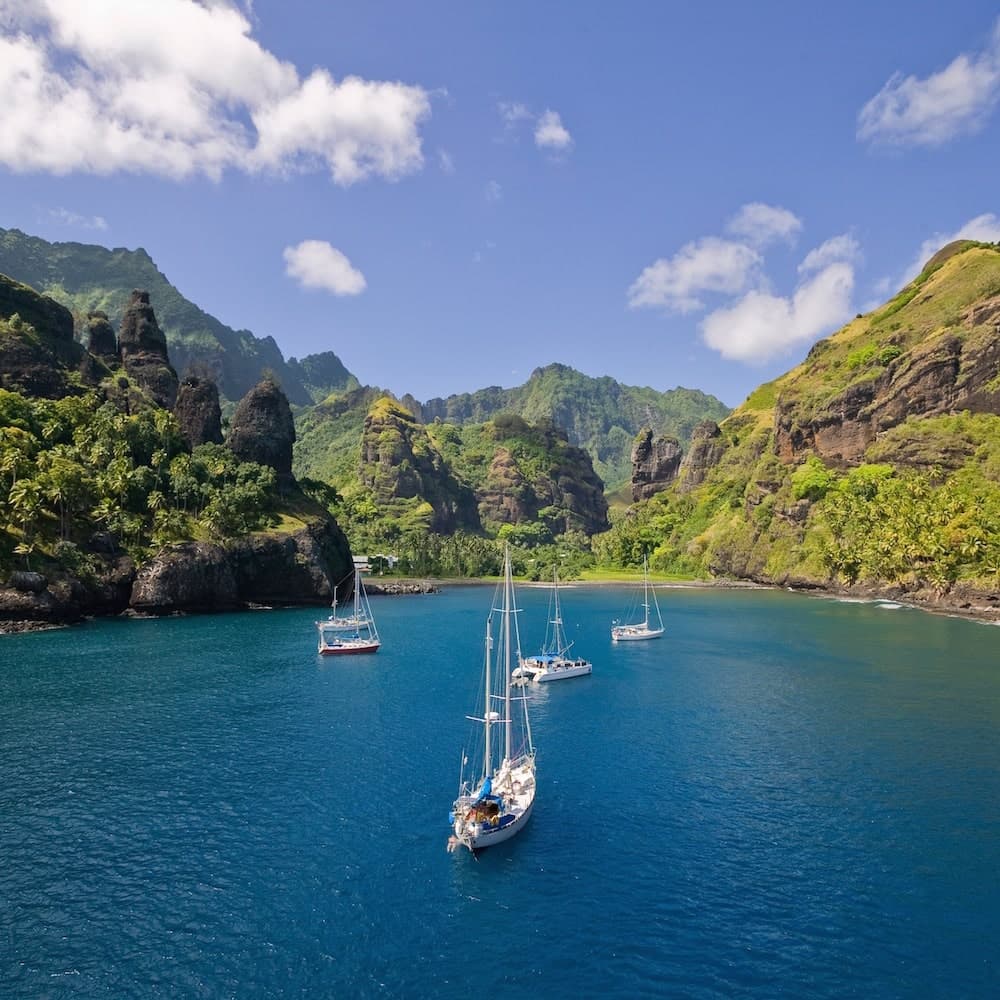
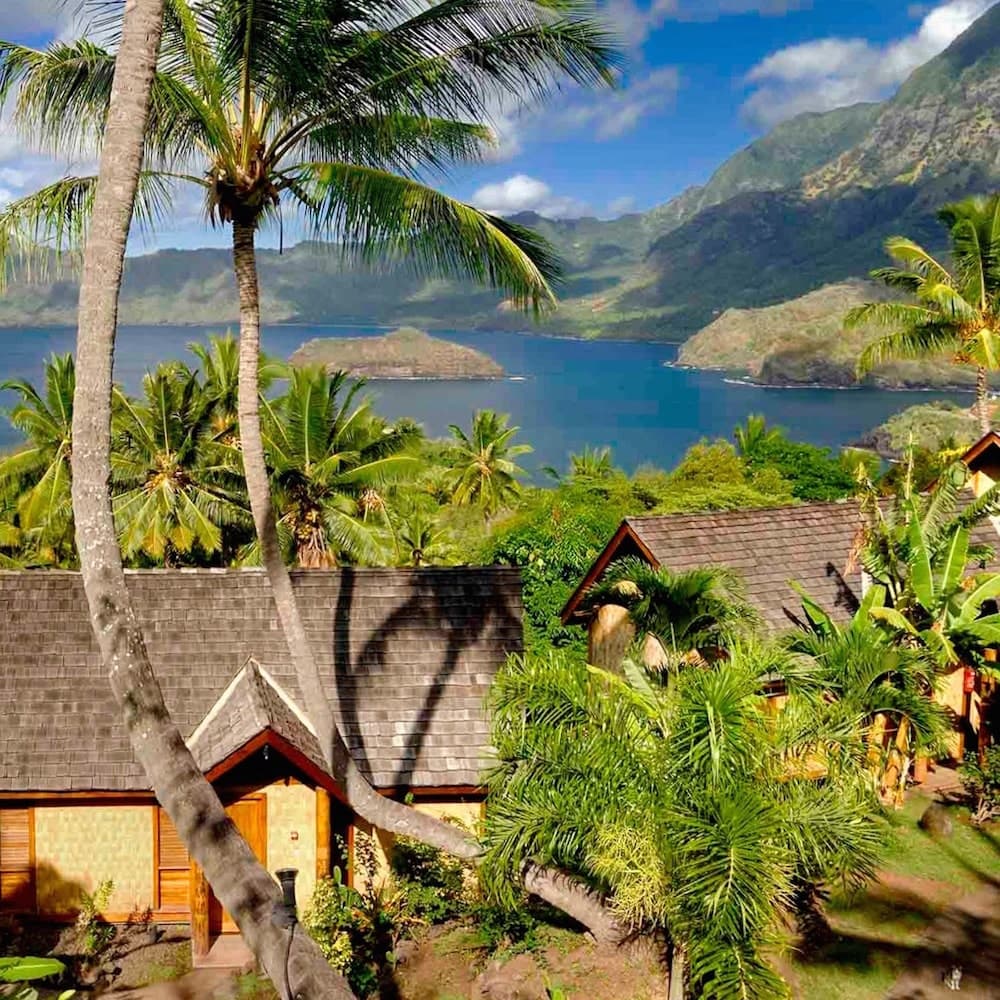
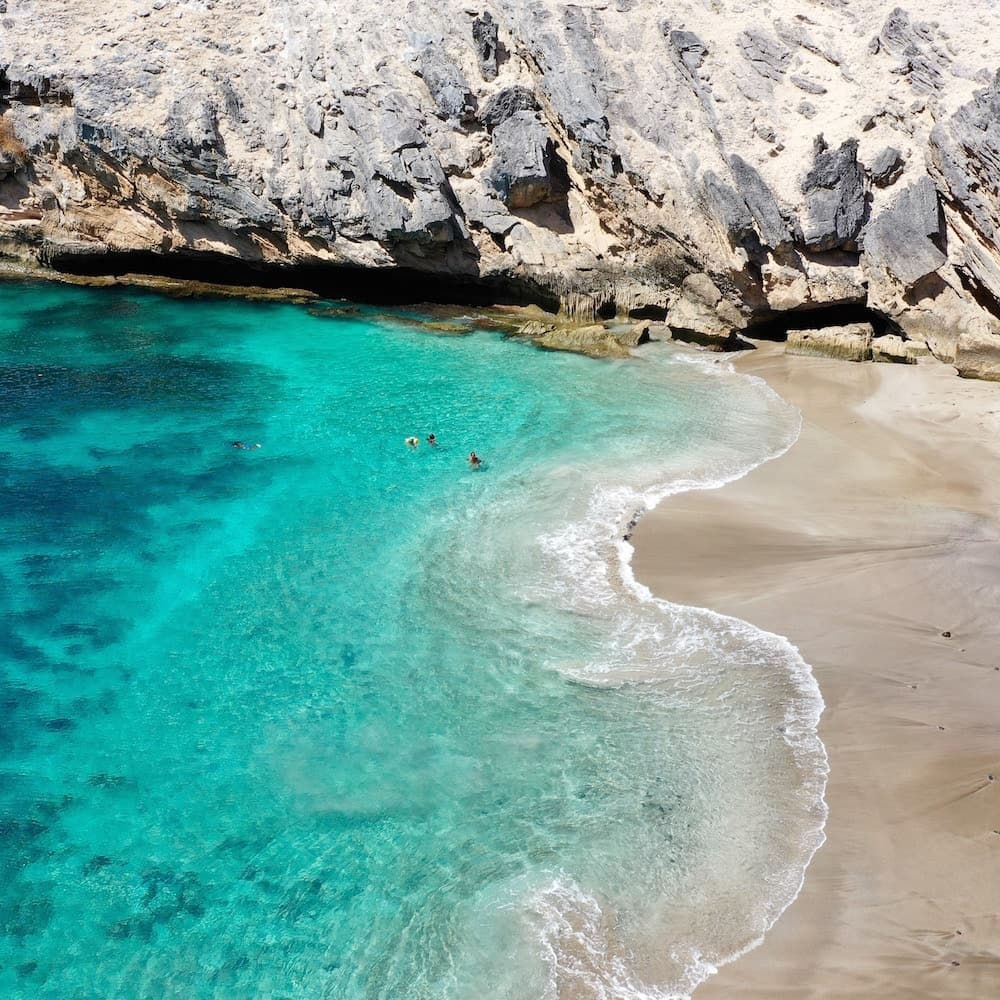
Spring in Fatu Hiva is refreshing and lively. As the island shakes off the wetter months, the flora and fauna begin to thrive, creating lush, green landscapes from March to May. It's an excellent season for outdoor activities such as hiking through the hills or exploring the rich biodiversity through bird watching. The waterfalls, full and flowing from the recent rains, are especially impressive, creating perfect opportunities for memorable photos and serene moments in nature.
Summer sees Fatu Hiva basking in drier, sunnier days, ideal for visitors looking to soak up the sun from June through August. The calm seas offer excellent conditions for snorkeling and scuba diving, revealing an underwater world teeming with sea life near the coral reefs. Summer also coincides with vibrant local festivals, providing a glimpse into the rich Polynesian culture through dance, music, and artisanal crafts, all enjoyed under clear, starry nights.
Autumn introduces a mild, pleasant climate from September to November, with fewer visitors and more room to explore. The moderate weather is perfect for delving into the island's more remote areas, where ancient petroglyphs and archaeological sites become more accessible. Kayaking and swimming are still enjoyable, with the ocean retaining much of its warmth, and the occasional rainfall only adds to the island's serene atmosphere.
December to February is the rainiest season, offering a unique perspective of the island's natural beauty. The landscapes are lush, and the frequent mists lend a mystical air to the valleys and cliffs. Despite the rain, the temperatures remain warm, and the increased flow of the waterfalls makes them particularly awe-inspiring. For those interested in cultural experiences, the slower pace of village life during this time allows for deeper interaction with local traditions and crafts.