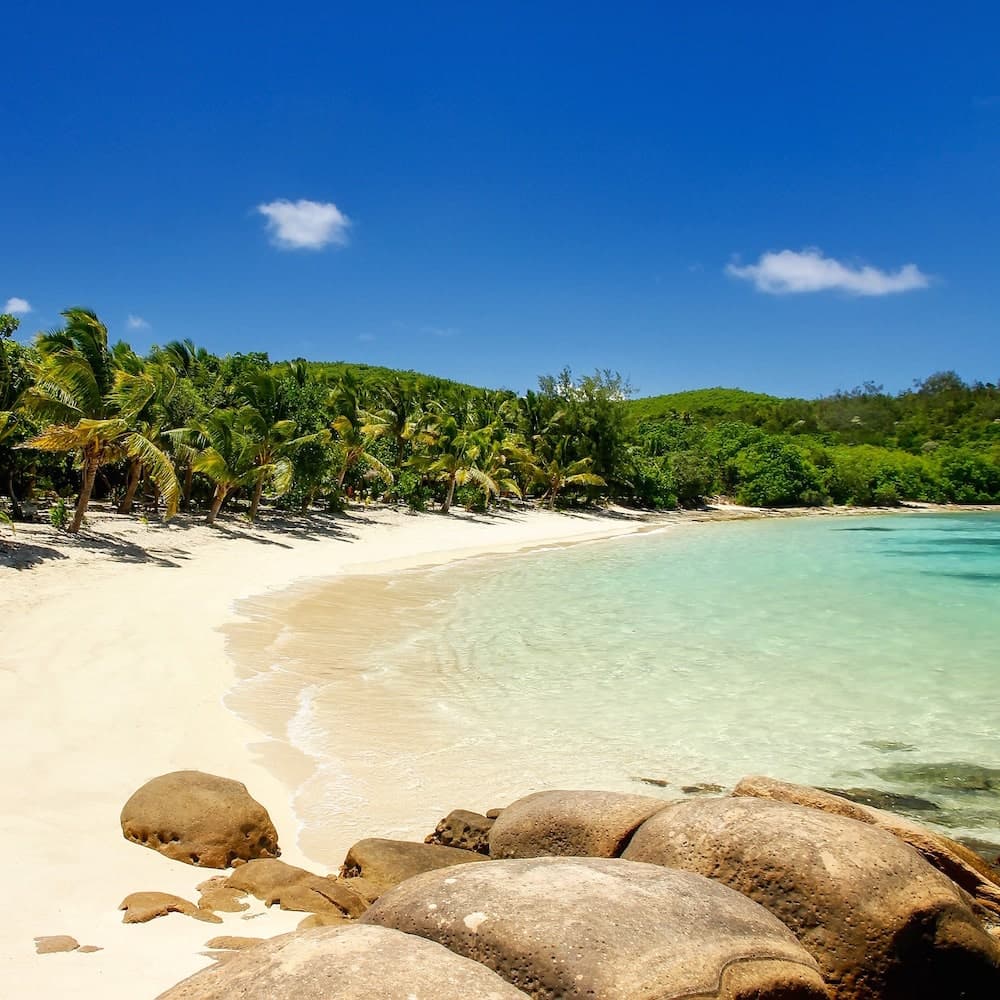
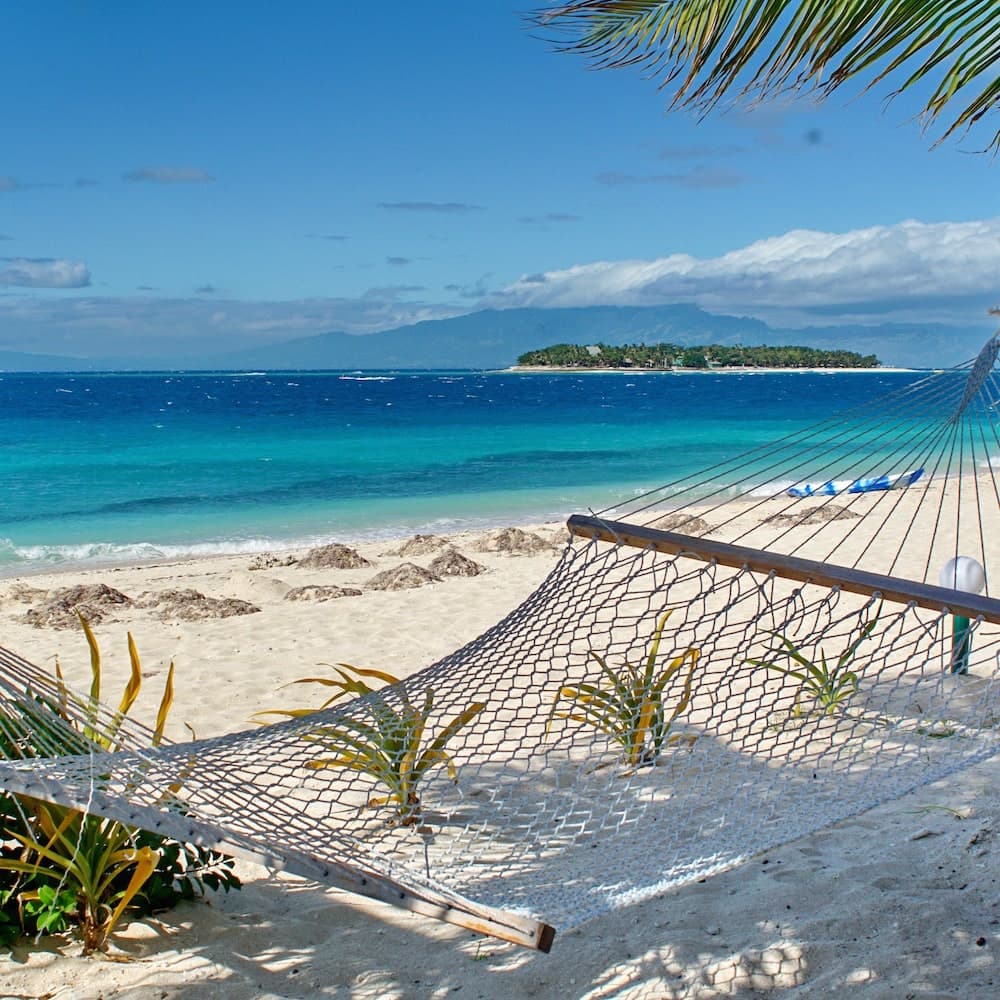
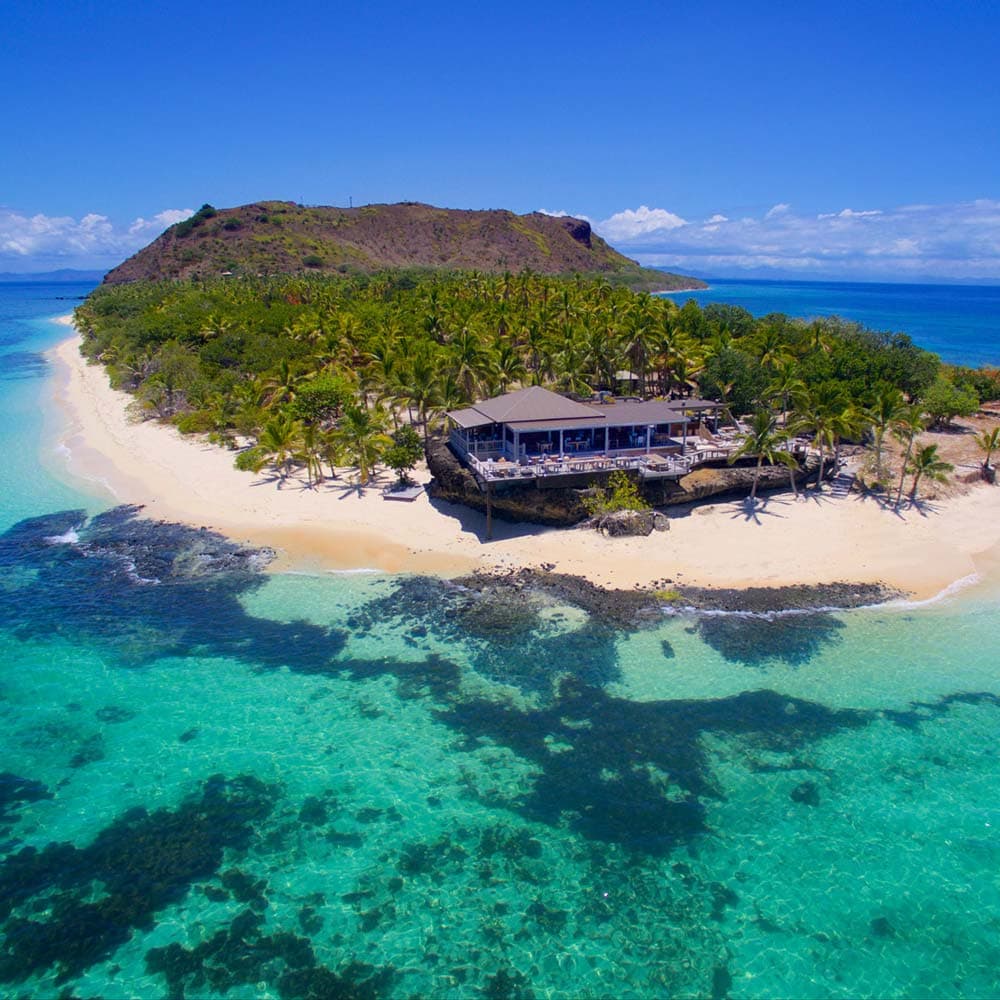
Spring in the Yasawa Islands is a time of renewal, perfect for travelers looking to experience vibrant natural beauty and milder temperatures. As the rainy season tapers off, the archipelago's flora bursts into life, creating lush, picturesque landscapes that are ideal for hiking and photography. The water clarity begins to improve significantly, making it an excellent time for snorkeling and diving before the peak season crowds arrive. Visitors can also engage with local communities, who are often preparing for the upcoming busier months with various cultural showcases and festivities.
Summer brings the Yasawa Islands’ peak season, with sun-drenched days and bustling activity. The islands are at their most vibrant, offering perfect conditions for water sports such as kayaking, sailing, and swimming with manta rays, which are commonly spotted during these months. Resorts and beaches are lively, providing an upbeat atmosphere that’s great for families and groups of friends. Evenings are warm and clear, ideal for stargazing or enjoying a beachside barbecue. It’s the quintessential time for those seeking both relaxation and adventure in a tropical paradise.
As autumn arrives, the Yasawa Islands begin to quiet down, offering a serene getaway with the advantage of fewer tourists and often reduced rates at accommodations. The weather remains warm, but the intense heat of summer starts to cool, making it comfortable for exploring the islands’ rugged landscapes and traditional villages. This season is also an opportune time for scuba diving, as the water remains warm and visibility is still high. It’s a period for relaxed exploration, where visitors can take in the natural and cultural beauty at a leisurely pace.
Winter in the Yasawa Islands is arguably one of the best times for those looking to escape colder climates. The weather is cooler and dry, with comfortable temperatures that make sunbathing pleasant without the extreme heat of summer. It’s also a great season for hiking and experiencing the panoramic views over the archipelago without the humidity. The lower tourist volume during winter allows for a more intimate experience of the islands’ natural beauty and tranquility. Plus, seasonal marine life, including various species of sharks, can be observed in deeper waters, adding a unique thrill to underwater adventures.